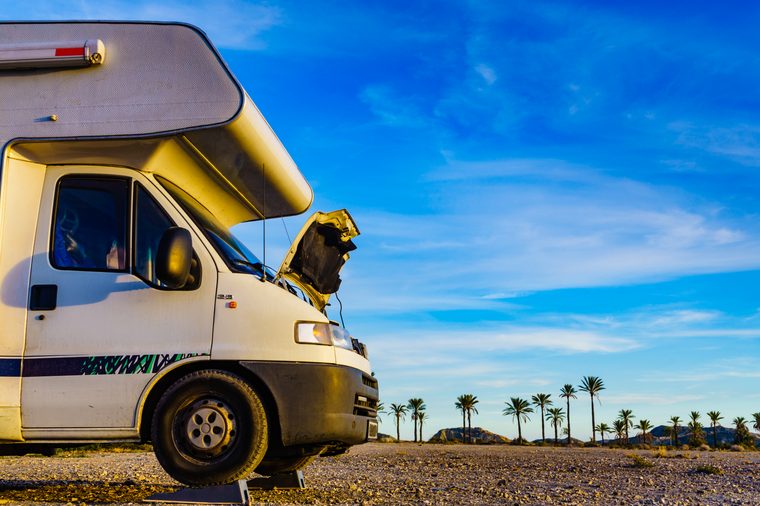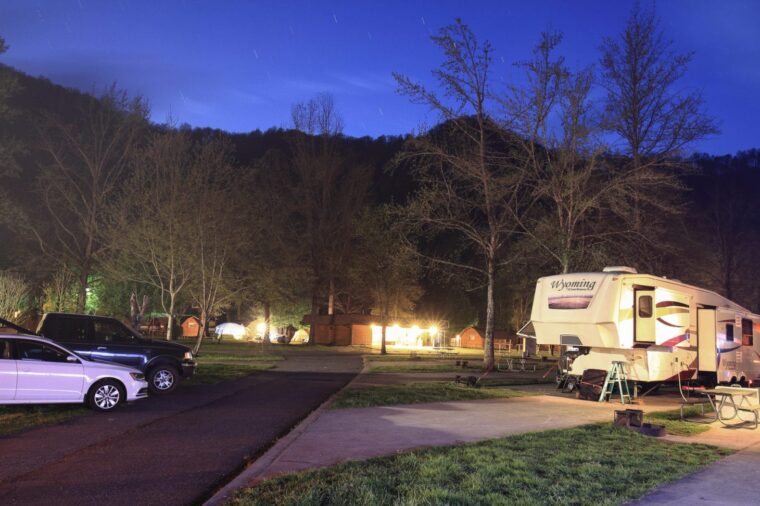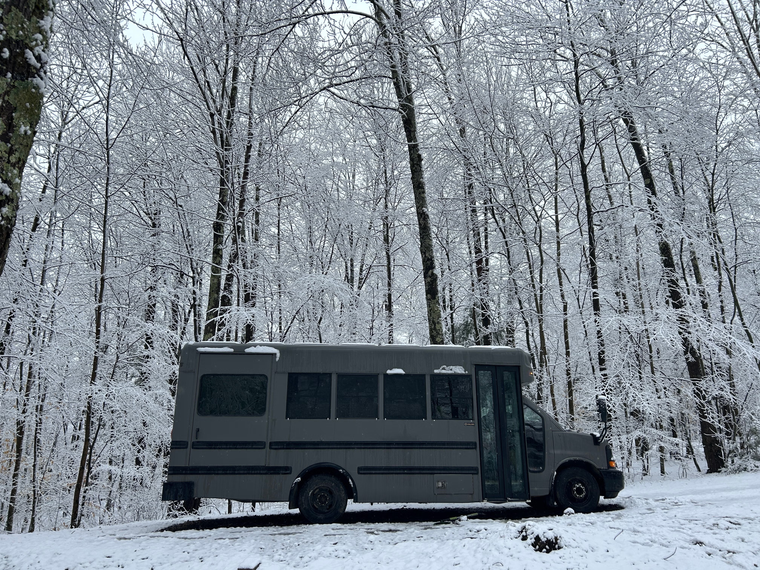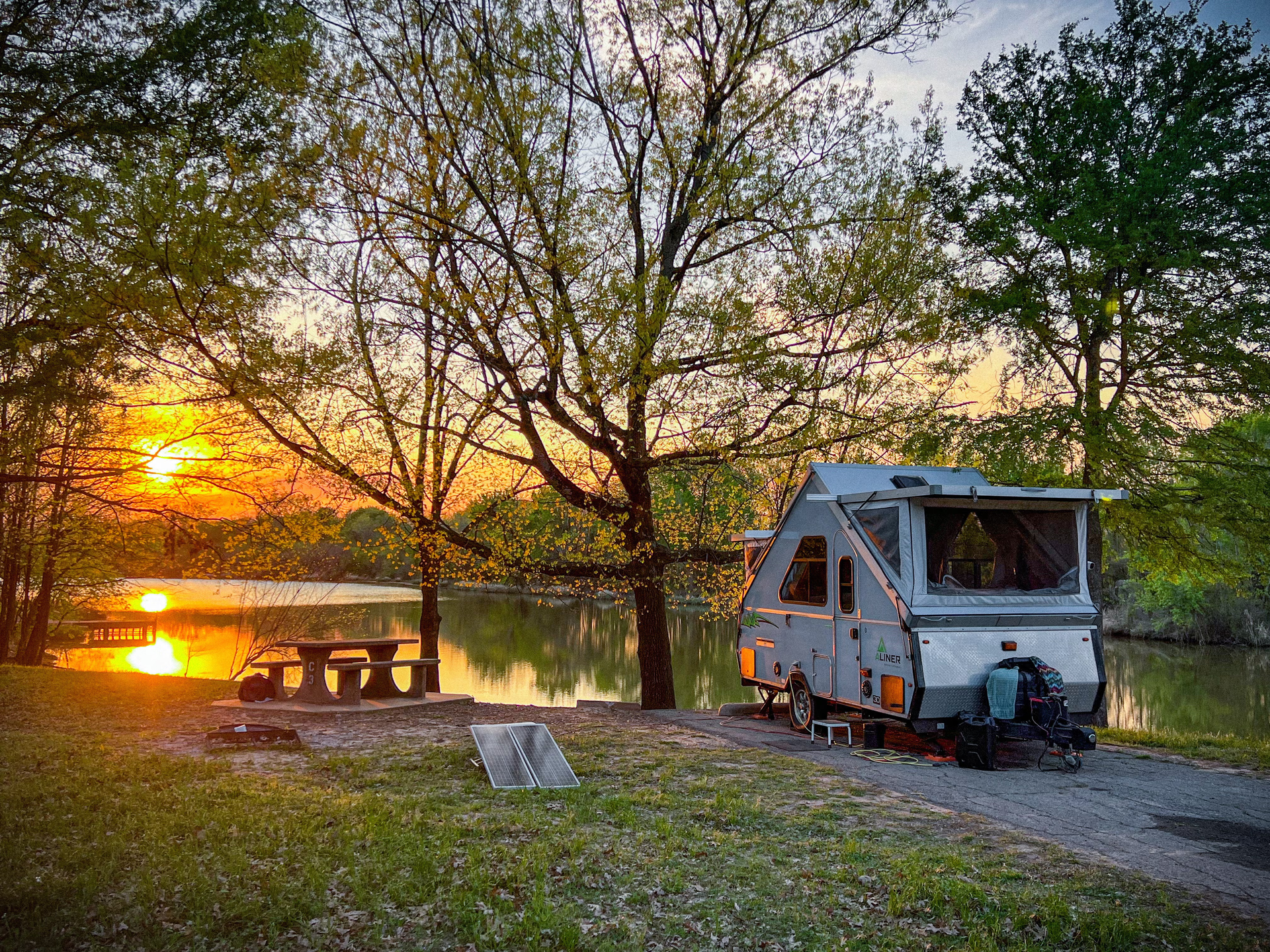
A campground listing may describe a site as “primitive,” but that label can mean different things depending on the location. In general, primitive camping means staying somewhere with few or no developed amenities, so you may need to provide your own water, manage your own waste, and camp without hookups, showers, or other services.
This guide explains what primitive camping means, what amenities you can expect, how it differs from dispersed and backcountry camping, what to bring, which rules to check, and how to find primitive campsites that fit your trip.
TL;DR
- Primitive camping means camping with few or no developed amenities, so expect to be more self-sufficient with water, waste, power, food, and other essentials.
- Primitive camping isn’t automatically the same as dispersed camping. Primitive sites can exist inside designated campgrounds, while dispersed camping occurs outside developed campgrounds.
- Amenities and rules vary by location, so check access, water, toilets, fees, permits, fire restrictions, and recent camper reports before going.
What Is Primitive Camping?
Primitive camping generally means camping at a site with few or no developed amenities. You should expect to be more self-sufficient with water, power, waste disposal, food storage, and other basics you might otherwise rely on a campground to provide.
There is no single standard for what counts as a primitive campsite. Some sites may have a vault toilet or fire ring, while others may have little more than a place to park or pitch a tent. The key idea is limited development and fewer services, not one specific campsite setup.
What amenities do primitive campsites have?
Amenities vary by campground and land manager, so check the specific site before you go.
| Amenity | What to expect |
|---|---|
| Electricity | Usually unavailable |
| Water | Often unavailable |
| Toilets | May be absent or very basic |
| Trash service | Often unavailable |
| Showers | Usually unavailable |
| Picnic table/fire ring | Varies |
| Cell service | Often limited, but location-dependent |
| Road access | Can range from easy to difficult |
A “primitive” label should be treated as a signal to check the details, not as a guarantee that every amenity is absent.
Primitive Camping vs. Dispersed Camping, Backcountry Camping, and Boondocking
These terms often overlap, but they describe different parts of the camping experience. Primitive camping is mainly about how developed a site is and what amenities it has, while dispersed camping, backcountry camping, and boondocking usually describe where or how you camp.
| Camping style | Defining characteristic | Designated site? | Typical access | Amenities | Typical vehicle/camping style | Fees/reservations |
|---|---|---|---|---|---|---|
| Primitive camping | Few or no developed amenities | Sometimes | Road-accessible or remote | Limited or none | Tents, vans, small trailers, RVs where access allows | May be free or paid; permits or reservations may apply |
| Dispersed camping | Camping outside a developed campground | Usually no | Often via forest roads or public-land roads | Usually none | Tents, vans, truck campers, trailers, and RVs where roads allow | Often free, but rules and stay limits vary |
| Backcountry camping | Camping away from developed frontcountry areas | Sometimes | Usually reached by hiking, paddling, or similar travel | Limited or none | Primarily tent camping | Permits or reservations are common in some areas |
| Boondocking | Camping without hookups, usually in an RV or vehicle | Sometimes | Usually vehicle-accessible | No utility hookups; other amenities vary | RVs, vans, truck campers, and trailers | May be free or paid depending on location |
| Developed campground camping | Camping in an established campground with built infrastructure | Yes | Usually maintained roads | May include toilets, water, hookups, showers, and other services | Tents and RVs | Fees and reservations are common |
The categories can overlap. A dispersed campsite can also be primitive, and a designated primitive campground may still have marked sites, toilets, or a fee. Checking the actual listing and managing agency is more useful than relying on the label alone.
What Is Primitive Camping Actually Like?
Primitive camping usually means trading campground services for a simpler, more self-sufficient stay. You may have more space and fewer nearby campers, but you also need to handle more of the basics yourself.
That can mean carrying enough water for drinking, cooking, and washing, camping without electrical, water, or sewer hookups, packing out your trash, and planning for limited or no restroom facilities. Cell service may be weak or unavailable, and access roads can be rougher or less predictable than those leading to developed campgrounds.
For RVers, vans, and trailers, access matters just as much as amenities. A site may look suitable on a map but still have narrow roads, tight turns, ruts, or limited turnaround space. Recent camper reviews can help you judge whether the route and campsite fit your vehicle.
Benefits of primitive camping
Primitive camping can be a good fit if you want:
- More solitude and fewer nearby campers.
- A quieter camping experience with less campground activity.
- More time in less-developed natural areas.
- Lower camping costs in some locations.
- Access to places that may not have developed campgrounds nearby.
- More flexibility in areas where primitive sites are first-come, first-served or spread across public lands.
The tradeoff is that fewer services usually means more responsibility for water, waste, power, food storage, and trip planning.
Challenges to consider
Before choosing a primitive campsite, be ready for a few common limitations:
- Potable water may not be available. You may need to bring all the water you expect to use or have a safe treatment plan.
- Toilets may be basic or nonexistent. Check local waste-disposal rules before your trip.
- Road conditions can be uncertain. Unpaved access may change after rain, snow, maintenance, or heavy use.
- Weather can have a bigger effect on the trip. Shade, shelter, drainage, and road conditions may be limited.
- Fire restrictions may change. Never assume a fire ring means campfires are currently allowed.
- Connectivity may be limited. Cell service depends on carrier, terrain, weather, and the specific campsite.
- Planning takes more work. You may need to research access, water, waste, permits, fire rules, and backup options before arrival.
Primitive camping can be very manageable for beginners, but the experience is easier when you know exactly which services will be missing and plan around them.
What Do You Need for Primitive Camping?
Primitive camping does not require a completely different gear setup, but missing amenities change what you need to bring. Focus first on the basics you would normally expect a campground to provide, then add gear based on the weather, location, and how you are camping.
- Water and water treatment: Bring enough potable water for drinking, cooking, cleaning, and pets. If you plan to use water from a natural source, bring an appropriate treatment method and confirm that collection is allowed.
- Food storage and cooking equipment: Bring a reliable way to prepare food without campground facilities, along with secure storage for food and scented items. Check local fire restrictions before relying on a campfire for cooking.
- Shelter and sleep system: Pack a tent, sleeping bag, sleeping pad, or RV setup suited to the expected weather. Primitive sites may offer less shade, wind protection, or level ground than developed campgrounds.
- Navigation and communication: Save maps and directions before you lose service, especially in remote areas. A paper map, GPS device, or satellite communicator may also be useful where cell coverage is limited.
- Waste and sanitation supplies: Bring what you need to manage trash, dishwater, and human waste according to local rules. Primitive camping often means packing out more than you would at a developed campground.
- First aid and emergency equipment: Carry a basic first aid kit, flashlight or headlamp, weather-appropriate clothing, extra food and water, and supplies for minor vehicle or campsite problems.
For a broader list of everyday camping and RV gear, use Campendium’s general packing resource rather than treating primitive camping as a reason to bring everything you own. The key is planning for the services that will not be available at your campsite.
How to Prepare for Your First Primitive Camping Trip
A little research goes a long way before a primitive camping trip. Before you leave, make sure you know:
- Who manages the land and what rules apply.
- Whether your vehicle can safely reach the site.
- Which amenities are available.
- Whether permits, fees, or stay limits apply.
- What the current fire and weather conditions look like.
- How you will handle water and waste.
- Where you will go if your first campsite does not work out.
1. Research the land manager and campsite
Start by identifying who manages the campground or land, such as the Bureau of Land Management, U.S. Forest Service, National Park Service, a state park agency, or another local authority.
Check the managing agency’s current rules for camping, permits, closures, stay limits, fires, food storage, and waste disposal. Primitive camping rules can vary widely, even between nearby sites.
2. Check road and vehicle access
A primitive campsite may be easy to reach in a passenger car, or it may sit at the end of a rough road that works better for smaller or higher-clearance vehicles.
Before committing to a site, check:
- Road surface and current conditions.
- Vehicle clearance requirements.
- Trailer and RV suitability.
- Tight turns or narrow sections.
- Turnaround space near the campsite.
- How rain, snow, or recent weather may affect the road.
Recent Campendium reviews can be especially useful here. Look for repeated comments about ruts, washboard, steep grades, low branches, soft ground, or tight access, and pay attention to what types of vehicles reviewers were driving.
3. Confirm available amenities
Do not assume every primitive campsite lacks the same facilities. Check whether the site has:
- Potable water.
- Toilets.
- Trash service.
- Picnic tables.
- Fire rings.
Knowing what is available tells you what needs to come with you.
4. Check permits, fees, and stay limits
Primitive camping is not automatically free or permit-free. Some sites charge nightly fees, require reservations, need backcountry permits, or have specific stay limits.
Confirm the current requirements with the managing agency before you travel. Rules can differ by campground, district, season, and land type.
5. Check fire restrictions and weather
Look up current weather and fire restrictions shortly before departure rather than relying on what was allowed during a previous trip.
High winds, heavy rain, snow, extreme heat, or wildfire conditions can affect both the campsite and the road leading to it. If campfires are prohibited, plan another way to cook and stay comfortable.
6. Make a water and waste plan
Decide how much potable water you need and where it will come from. If no trash service is available, bring enough storage to pack everything out.
Also check the land manager’s rules for human waste and wastewater. Requirements vary by location and environment, so do not assume one disposal method is acceptable everywhere.
7. Have a backup campsite
A backup is especially useful when heading to a first-come, first-served primitive campground or an area with dispersed camping nearby.
Save at least one alternative before you leave. Your first choice may be occupied, closed, inaccessible, or unsuitable for your vehicle once you arrive. Campendium reviews, maps, and nearby campground listings can make it easier to compare alternatives before you lose service.
Where Can You Go Primitive Camping?
Primitive camping is available on many types of public land, but the rules are not the same everywhere. A “primitive” site may be a designated campground with few amenities, a remote backcountry site, or a low-development camping area managed by a public agency.
National forests
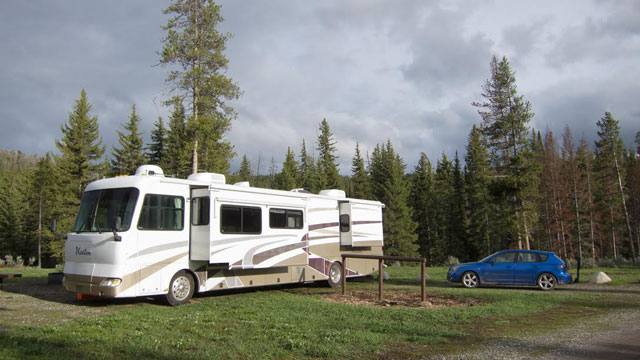
National forests can include both designated primitive campgrounds and dispersed camping areas. Some sites may have basic facilities such as vault toilets or fire rings, while others have no services at all.
Check the specific national forest or ranger district for current rules, road access, fire restrictions, permits, and any designated-site requirements before you go.
BLM land
Bureau of Land Management areas are another common place to find primitive camping. Depending on the location, you may find designated primitive camping areas, developed campgrounds with limited amenities, or dispersed camping outside established campgrounds.
Conditions vary widely, so confirm where camping is allowed, whether fees or permits apply, and what stay limits are in effect. The brief specifically notes that primitive camping on BLM land can include both free and fee-based sites.
State parks and state forests
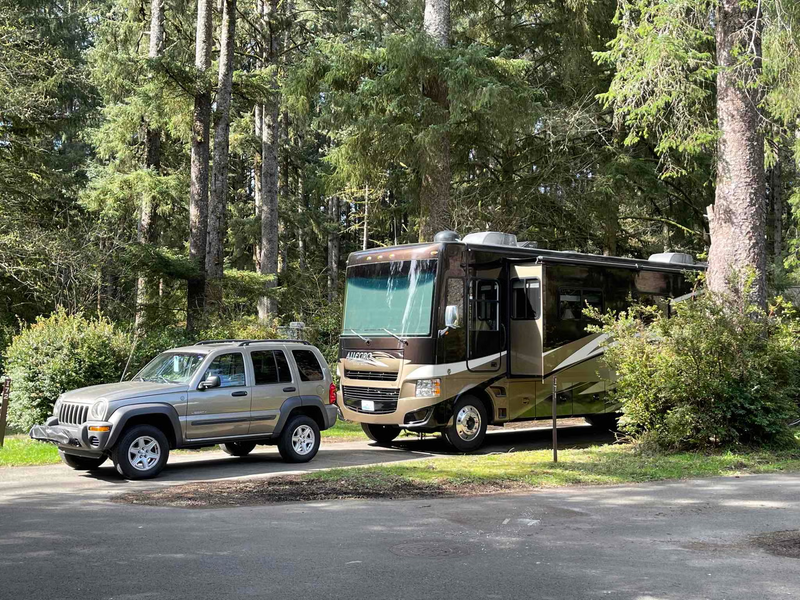
State-managed lands may offer primitive tent sites, walk-in sites, equestrian camping, remote cabins, or low-amenity campgrounds. Some state parks use “primitive” as an official campsite category, but the amenities included under that label can vary from one park system to another.
Reservations, fees, vehicle access, and campsite rules may also differ by state and park.
National parks and backcountry areas
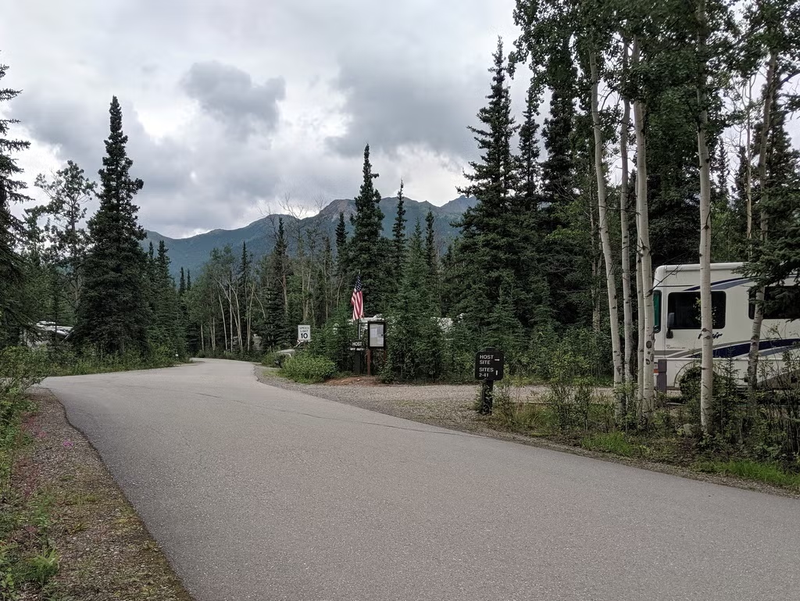
Some national parks offer primitive or backcountry camping away from developed campgrounds. These sites may require hiking, paddling, or other non-vehicle access, and permits are common in many backcountry areas.
Do not assume that primitive camping means you can choose any open area. National parks often have specific camping zones, designated sites, or permit systems that control where overnight stays are allowed.
How to Find Primitive Camping Near You
Once you know what kind of primitive camping you want, Campendium can help narrow the options near your destination or along your route. Start with the map, then compare sites based on cost, land type, access, and recent camper reports rather than relying on the word “primitive” alone.
Use Campendium to check:
- Free and price filters: Narrow results by cost when you are specifically looking for free or low-cost camping.
- BLM and National Forest categories: Focus your search on public-land options where primitive or dispersed camping may be available.
- Campground reviews: Read recent reports for details on site conditions, noise, amenities, crowding, and whether the listing still matches what you expect.
- Cell-signal information: Check reported connectivity if you need service for work, navigation, or communication. Signal can vary by carrier and campsite.
- Access notes: Look for comments about road surface, clearance, tight turns, trailer suitability, and conditions that may affect larger rigs.
- Photos: Use camper photos to get a better sense of site spacing, road conditions, parking areas, terrain, and available facilities.
- Saved locations: Keep promising campsites and backup options together while you compare your route.
Primitive camping near you may look very different depending on the region. Using map-based search and recent campground information lets you evaluate what is actually available where you are going instead of relying on one national definition.
Frequently Asked Questions
No, although they often overlap. Primitive camping describes the limited amenities or development of a site, while dispersed camping generally means camping outside a developed campground.
Tent camping describes how you sleep, while primitive camping describes the campsite or camping environment. You can tent camp at either a developed campground or a primitive site.
Sometimes, but do not assume so. Some primitive campgrounds have vault toilets or other basic restroom facilities, while others have no toilets at all.
Sometimes. Primitive camping can be free on some public lands, but the term does not refer to price. Other primitive campgrounds charge fees or require paid permits.
It depends on the land manager and location. Some primitive campsites require permits or reservations, while others do not. Always check the current rules for the specific area before your trip.
Free primitive camping may be available on some public lands, including certain BLM and National Forest areas, but rules and fees vary by location. Use Campendium to search free and public-land camping options, then confirm current regulations, stay limits, and access requirements with the managing agency before you go.
Find Primitive Camping on Campendium
Search public-land and low-amenity camping options on Campendium, then compare camper reviews, photos, reported cell coverage, and access information to see whether a site fits your trip. Save a few options before you go so you have a backup if conditions change or your first choice is full.
Ready to try primitive camping? Explore camping options on Campendium and save potential sites for your next trip.