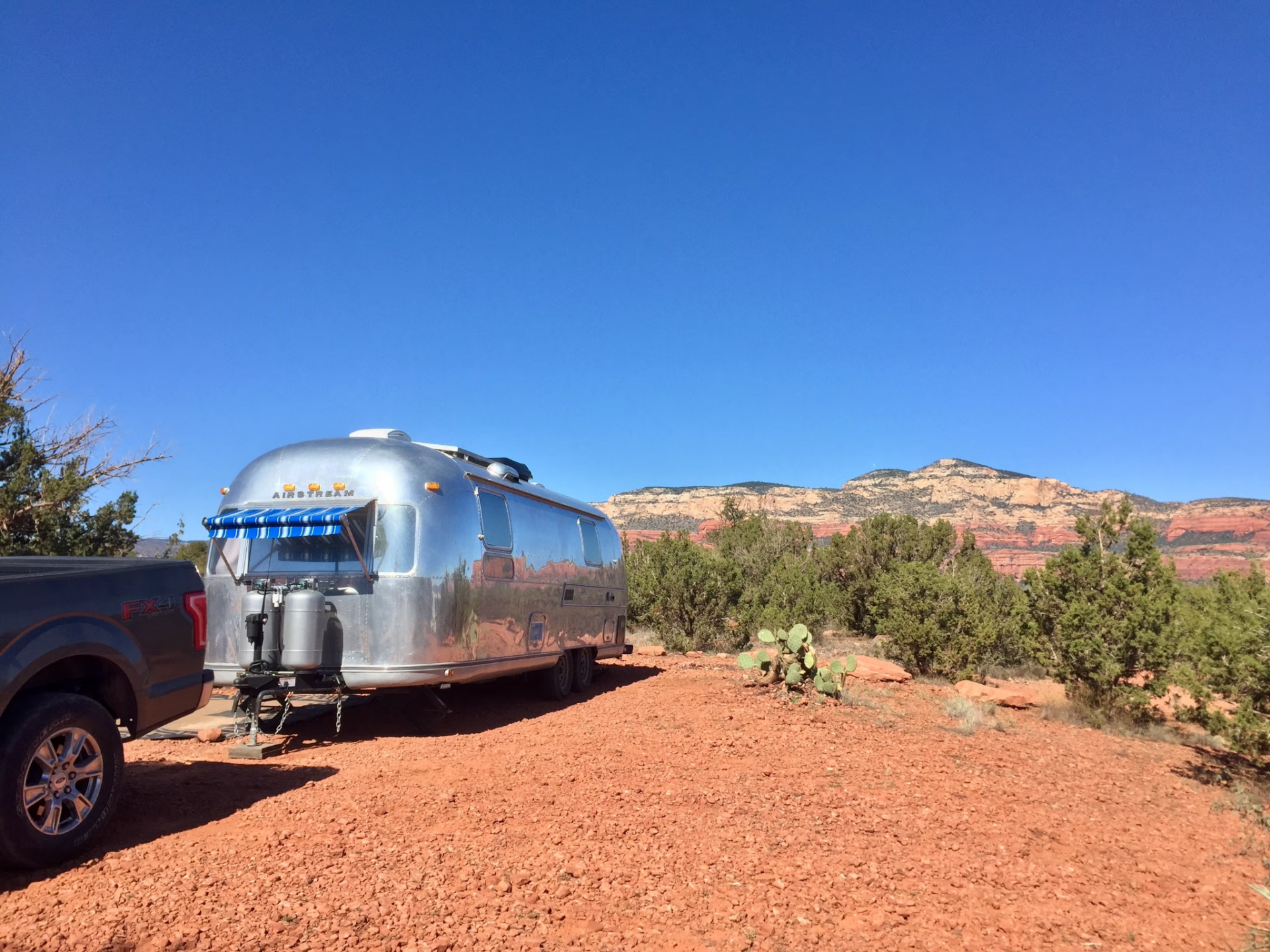
Dispersed camping means camping outside a developed campground, usually on public land, without the usual amenities like bathrooms, hookups, trash service, picnic tables, or marked sites. The tradeoff is simple: more space and flexibility, fewer services, and no camp host around the corner when you realize you should have brought more water.
This guide explains where dispersed camping is usually legal, what rules to check before you go, and how to find real places to stay. For RVers, vanlifers, road trippers, and first-time campers, dispersed camping can be free or low-cost, quiet, and scenic, but it takes more planning than pulling into a developed campground.
Before you arrive, you’ll want to check road access, stay limits, fire restrictions, waste rules, cell signal, and backup options.
TL;DR
- Dispersed camping means camping outside a developed or designated campground, usually on public land.
- It is often free, but rules, permits, stay limits, fire restrictions, and access vary by land manager.
- The safest way to find dispersed campsites is to check official rules, use public-land maps, read recent reviews, verify road access, and save backup options before you go.
What Is Dispersed Camping?
Quick answer: Dispersed camping is camping outside a developed campground, usually on public lands such as National Forest or BLM land. It typically means no amenities, no hookups, and no assigned campsite, so campers must bring everything they need and pack everything out.
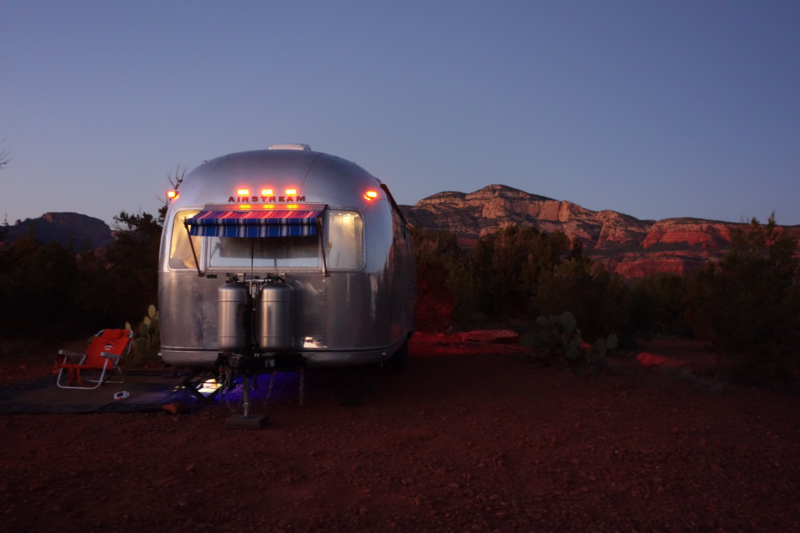
Dispersed camping is sometimes called primitive camping because you are camping without the setup of a standard campground. There may be no toilets, drinking water, trash service, picnic tables, fire rings, electrical hookups, dump stations, or reservation system. In many areas, sites are first-come, first-served, which means you need a backup plan if your first choice is full, closed, too muddy, or not a good fit for your rig.
The main thing to know is that dispersed camping does not mean camping anywhere you want. It means camping where the managing agency allows it, while following local rules for stay limits, fire use, waste disposal, road access, and campsite impact. Free camping is only free if you came prepared; water, trash bags, toilet plans, and a safe exit route are still part of the deal.
Dispersed camping vs. boondocking vs. dry camping vs. primitive camping
These terms often overlap, especially for RVers and van travelers. The main difference is what the term is describing: where you camp, whether you have hookups, or how many amenities are available.
For RVers, the closest related term is boondocking. You can read more in Campendium’s article about boondocking basics and meaning.
Where Is Dispersed Camping Allowed?
Dispersed camping is most common on certain public lands, especially National Forest and Bureau of Land Management areas. Still, “public land” does not automatically mean “camping allowed.” Rules can change by forest, field office, park, season, road, fire conditions, and resource protection needs. Land rules have a way of being local, specific, and not especially interested in your arrival time.
How rules differ by land manager
National Forests and BLM land are usually the first places campers look for dispersed camping because many areas allow camping outside developed campgrounds. For RVs, vans, and car campers, the bigger question is not just whether camping is allowed, but whether the road is open to your vehicle and whether the site can handle your setup. On National Forest land, Motor Vehicle Use Maps show which roads, trails, and areas are designated for motorized travel, so they are worth checking before you follow a dirt road just because it looks promising on a map.
BLM land can also allow dispersed camping, but rules vary by state and field office. Stay limits, road restrictions, seasonal closures, and posted no-camping areas all matter. Some BLM areas use the common 14-day limit, but you should always confirm the local rule before settling in. “It looked legal on the map” is not a great campfire story.
National Parks are different. Dispersed roadside camping is usually not allowed inside National Parks unless the park has specific backcountry camping rules, designated backcountry sites, or a permit system. Some parks allow backcountry camping in certain areas, but that does not mean you can pull an RV onto a side road and camp for the night.
State lands and forests vary even more. Some states allow dispersed camping in certain forests or wildlife areas, while others require permits, passes, or designated sites. Private land is the clearest case: do not camp there unless you have direct permission from the landowner.
Check local restrictions before you choose a site
Local restrictions can override the general rule. Fire bans, flood damage, wildlife closures, overuse, road washouts, snow, restoration areas, and posted signs can all change where you can camp.
If a spot looks questionable, choose a different one. A backup campsite is a lot easier than explaining your plan to a ranger after dark.
Is Dispersed Camping Free?
Dispersed camping is often free on BLM and National Forest land, especially when you are camping outside developed campgrounds and away from fee areas. That is one reason it is popular with RVers, vanlifers, and road trippers trying to stretch a travel budget.
But free is not the same as rule-free. Some dispersed camping areas require passes, permits, reservations, or small fees, especially near popular trailheads, lakes, National Parks, busy recreation corridors, or high-use zones. Land managers may also create designated-dispersed camping areas where camping is still primitive, but sites are numbered, limited, reservable, or fee-based.
National Parks and state lands often have different rules. A National Park may require a backcountry permit, a developed campground reservation, or camping only in approved areas. State forests and state trust lands can vary even more, with some requiring day-use passes, camping permits, parking permits, or paid reservations.
Before you assume a campsite is free, check the managing agency’s current dispersed camping regulations. Look for permit requirements, stay limits, seasonal closures, fire restrictions, vehicle rules, and whether the area charges a recreation fee. Free camping is great; surprise fees and closed gates have a less loyal fan base.
Dispersed Camping Rules: What to Check Before You Go
Dispersed camping rules change by land manager, location, season, road, and current conditions. Before you pick a spot, check the local ranger district, BLM field office, state agency, or park authority for the rules that apply right now. A campsite can look wide open on a map and still be closed, restricted, too close to water, or one muddy turn away from becoming tomorrow’s recovery bill.
The most important rules to check before you go include:
- Stay limits and relocation requirements
- Distance requirements from water, trails, roads, and developed areas
- Vehicle access and designated-road restrictions
- Current fire restrictions and campfire rules
- Human waste disposal and trash requirements
A few minutes of planning can save a lot of frustration once you’re on the road. Here’s what to look for.
Stay limits
Many dispersed camping areas use a 14-day stay limit, but the exact rule depends on the managing agency and location. Some areas allow up to 14 days within a 28-day period, while others may allow 21 days or use a different local limit.
Relocation rules can also apply. In some areas, moving to the next pullout down the road is not enough; you may need to move a certain distance away before starting a new stay. Always verify the current stay limit with the local ranger district, BLM field office, or state agency before you settle in. The “one more night” plan works better when it is actually allowed.
Distance from water, trails, roads, and developed areas
Dispersed camping usually means spreading out, not squeezing into places meant for other uses. Camp away from lakes, streams, springs, and other water sources so wildlife can reach them and your campsite does not damage fragile shorelines.
You should also avoid setting up at trailheads, picnic areas, developed campgrounds, boat launches, day-use areas, and other spots that are not meant for overnight camping. Where dispersed camping is allowed, look for existing disturbed sites rather than creating a new campsite. A flat patch of durable ground is useful; a fresh set of tire tracks through plants is not.
Road-distance rules vary by location, especially on National Forest and BLM land. Some areas allow camping only within a certain distance of designated roads, while others restrict how far vehicles can pull off the road. Check local maps, posted signs, and agency guidance before you park.
Vehicles and road access
Road access is one of the biggest planning details for dispersed camping, especially if you are towing a trailer, driving a Class A, or traveling in a van with limited clearance. Stay on legal, designated roads, and do not create new pullouts, shortcuts, or tire tracks to make a campsite work. If the road or campsite does not fit your setup, keep looking.
On National Forest land, check the Motor Vehicle Use Map when available. These maps show which roads are open to motorized travel and may also show where dispersed camping is allowed near designated routes. On BLM land and state-managed areas, check the local field office or agency map for road closures, seasonal restrictions, and vehicle rules.
Before you commit to a dirt road, check whether it is suitable for your vehicle or RV. Recent Campendium reviews can help you spot useful details like washboards, sand, low branches, ruts, steep grades, tight turnarounds, or roads that get messy after rain.
Avoid taking trailers down unknown roads after dark. It is much easier to judge road width, shoulder conditions, low branches, and turnaround space in daylight. Save a backup campsite before you go so you are not making your most creative driving decisions while tired, hungry, and losing cell signal.
Campfires and fire restrictions
Check current fire restrictions before every dispersed camping trip. Fire bans can change quickly because of wind, drought, lightning, high temperatures, or local wildfire risk, and posted rules always matter more than what was allowed on someone’s trip last month.
If campfires are allowed, make sure you know how to responsibly build one: use an existing fire ring where one is available, keep the fire small, and fully extinguish it before you leave or go to sleep. Stir the ashes, add water, and make sure everything is cold to the touch. “Mostly out” is not out.
Bring a camp stove as a backup so you can still cook if fires are banned. Also check whether gathering firewood is allowed where you are camping. Some areas allow dead-and-down wood collection, while others prohibit it or require a permit. When in doubt, bring your own locally approved firewood or skip the fire altogether.
Human waste and trash
Pack out everything you bring in, including food scraps, broken gear, wipes, and trash that was already there when you arrived. Dispersed campsites do not usually have dumpsters, bathrooms, or a cleanup crew, which means your trash plan needs to exist before the trash does.
Have a bathroom plan before you get to camp. In some areas, catholes are allowed when they are dug properly and located away from water, trails, roads, and campsites. In other places, especially desert areas, river corridors, alpine zones, and high-use dispersed camping areas, you may need to use wag bags or a portable toilet.
Pack out toilet paper, wipes, and hygiene products every time. Even when catholes are allowed, toilet paper should not be left behind or burned. Before you leave, walk the site for micro-trash, food bits, bottle caps, tent stakes, and anything the wind moved while you were pretending your camp was organized.
How to Find Dispersed Camping Sites
Finding dispersed camping takes more than dropping a pin on a blank patch of map and hoping the road feels friendly. The process is usually straightforward if you break it into a few steps:
- Pick the right public land type.
- Check official maps and local rules.
- Use Campendium to vet real-world sites.
- Save backup options.
- Arrive during daylight.
Start with public lands where dispersed camping is commonly allowed, confirm the current rules, then use recent camper reports to decide whether a site actually works for your vehicle, your comfort level, and your trip.
Step 1: Pick the right public land type
BLM and National Forest lands are often the easiest starting points for dispersed camping, though availability depends on the region. Western states tend to have more BLM land, while National Forests are common near mountain towns, lakes, trail systems, and scenic highways.
Start by looking for public land near your route, then narrow the search to areas where dispersed camping is allowed. Do not assume every patch of public land is open to camping. National Parks, state lands, wildlife areas, recreation areas, and locally managed lands may have separate rules, permits, or camping restrictions.
Step 2: Check official maps and local rules
Once you find a general area, check the official source for that land. For BLM areas, look for the local field office page. For National Forests, check the ranger district page and the Motor Vehicle Use Map when one is available.
These sources can tell you which roads are open, where motorized travel is allowed, whether camping is restricted to certain corridors, and whether seasonal closures apply.
Also check current fire restriction pages, posted signs, gate notices, and local alerts before you arrive. A road that was open in a review from last spring may be closed for wildlife, washouts, snow, fire damage, or restoration. Public land has many moods, and “closed gate” is one of the less helpful ones.
Step 3: Use Campendium to vet real-world sites
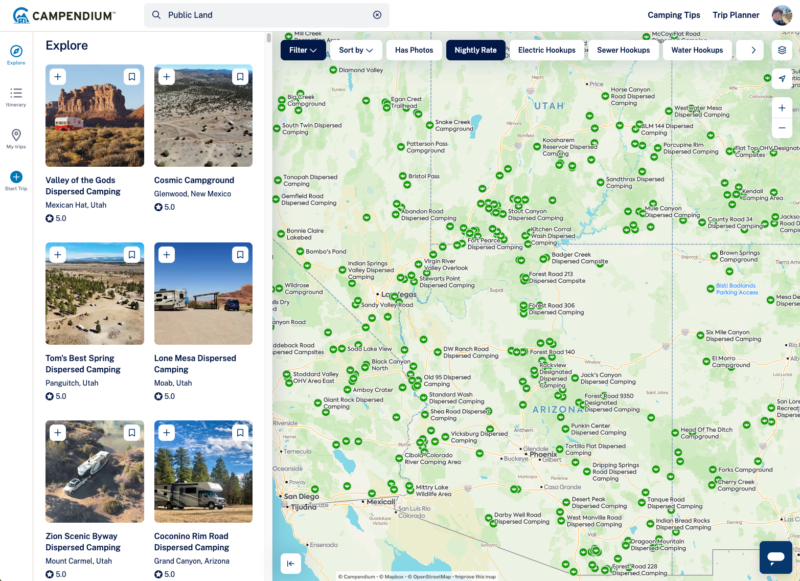
After you confirm the general area is legal, use Campendium to compare real places people have actually camped. This is where trip planning gets more practical.
On Campendium, you can filter for free camping, browse BLM and National Forest camping categories, and look for sites near your route. Then check recent reviews, photos, reported cell signal, and road-condition notes before you commit to a spot.
Pay close attention to review details that mention:
- road surface, ruts, washboards, sand, mud, or steep grades
- low branches, narrow roads, tight turns, or limited turnaround space
- whether larger rigs, trailers, vans, or passenger cars made it in
- how crowded the area felt
- whether cell signal worked by carrier
- whether campers found existing sites or had trouble finding a legal place to park
- recent closures, rule changes, or access concerns
For RVers and vanlifers, those details matter as much as the scenery. A site can look perfect in a photo and still be a poor fit if the last mile is rough, the turnaround is tight, or the only level spot is already taken.
Save your primary choice in Campendium, then save backup options nearby so you are not starting over when your first plan does what first plans often do.
Step 4: Have backup options
Most dispersed campsites are first-come, first-served and not reservable. A site may be occupied, closed, muddy, washed out, blocked by snow, too crowded, too sloped, or simply wrong for your rig.
Save at least two or three alternatives nearby before you leave service. Look for backups in different directions when possible, not just three pullouts on the same rough road. If the whole road is closed, muddy, or too tight, you will want another area to try, not three versions of the same problem.
Step 5: Arrive during daylight
Daylight makes dispersed camping easier and safer. You can read signs, spot existing campsites, avoid driving over vegetation, judge road conditions, and see whether your vehicle has enough room to turn around or back up.
This matters even more if you are towing or driving a larger RV. Dirt roads can look simple on a map and become very opinionated in person. Arriving before dark gives you time to make a better decision, find a legal site, and move on if something does not feel right.
What to Bring During Dispersed Camping
Packing for dispersed camping starts with one simple idea: bring what a developed campground would normally provide for you. There may be no drinking water, bathroom, trash service, camp store, power, or host nearby. Your future self will be much friendlier if you plan for that before the road turns to dirt.
Water and food
Bring more water than you think you will need for drinking, cooking, dishes, pets, handwashing, and emergencies. If you are unsure about nearby water access, treat the trip as if there is none.
Plan meals that are simple to cook, and bring a camp stove in case campfires are not allowed. Store food securely in your vehicle, RV, bear-resistant container, or another approved storage method for the area. Food storage rules vary, especially in bear country, so check local guidance before you go.
Waste and bathroom supplies
Pack trash bags and plan to carry out every piece of trash, including food scraps, wipes, and small items that are easy to miss. A separate bag for micro-trash can help keep the site clean before you leave.
Have a bathroom setup before you arrive. Depending on the location, that may mean a toilet kit, wag bags, a shovel for catholes where allowed, or a portable toilet. Pack out toilet paper and hygiene products every time. Your bathroom plan should not begin with a surprised look at the nearest shrub.
Navigation and communication
Download offline maps before you lose service. Bring a paper map when possible, especially if you are heading into National Forest, BLM, or backcountry areas where roads split often and signs may be limited.
A power bank is useful for keeping your phone charged, but do not rely on your phone alone. Consider emergency communication tools such as a satellite messenger if you will be far from service, traveling alone, or driving remote roads.
Safety, fire, and weather gear
Bring a first-aid kit, weather-appropriate clothing, extra layers, rain gear, sun protection, and enough food and water to handle a delayed exit. Dirt roads can change quickly after rain, snow, wind, or heavy use.
For fire safety, pack a shovel, water, and a fire extinguisher if fires are allowed. Bring a camp stove as your cooking backup when fire restrictions are in place. Extra fuel is also useful for cooking, heat, and safe travel, especially when the nearest gas station is farther away than expected.
Extra RV gear for dispersed camping
RVers need to think through water, waste, power, tires, and road access before leaving pavement. Start with a full freshwater tank and empty gray and black tanks. Know where the nearest dump station is before you camp, not after your tanks start making their opinions known.
Helpful RV gear includes:
- Leveling blocks
- Tire repair kit
- Air compressor
- Recovery gear suited to your vehicle
- Solar or battery setup
- Extra propane
- Backup power bank or charging option
- Freshwater hose and water containers
- Dump station plan
- Offline route and campground information
Before you head out, use Campendium’s RV camping packing checklist to compare your setup against the basics. Dispersed camping does not require bringing your entire garage, but it does reward campers who remember the things that keep water flowing, batteries charged, and tires out of trouble.
Dispersed Camping Safety
It can be quiet, flexible, and worth the extra planning, but it also puts more responsibility on you. There may be no camp host, no nearby ranger station, no cell service, and no easy way to get help if the weather turns, a road washes out, or your vehicle decides this is the perfect place to have a problem.
Before you go, think through the main safety basics:
- Cell service: Do not assume you will have a signal. Check reported cell coverage before you leave, download offline maps, and save key details while you still have service.
- Weather: Check the forecast for the campsite and the route in. Rain, snow, wind, heat, and flash flooding can change road conditions quickly.
- Wildlife: Store food, trash, and scented items properly for the area. In bear country, follow local food storage rules.
- Fire danger: Check current fire restrictions before every trip. Fire rules can change quickly, especially during dry or windy conditions.
- Road conditions: Dirt roads can become rutted, muddy, sandy, washed out, or too narrow for larger rigs. Read recent road-condition reviews before you commit.
- Remote breakdowns: Carry a first-aid kit, tire repair kit, air compressor, extra water, extra food, and any vehicle tools your setup may need.
- Emergency communication: Consider a satellite messenger or emergency beacon if you camp far from service or travel alone.
- Trip plan: Tell someone where you are going, when you expect to return, and what route or camping area you plan to use.
Trust your judgment when you arrive. If the road feels too rough, the site looks unsafe, the weather is changing, or you are not sure you can turn around, leave and try a backup location. Dispersed camping is not improved by proving a point to a dirt road. The safer choice is usually the one that lets you camp, sleep, and drive out without turning the trip into a recovery story.
Common Beginner Mistakes
Most dispersed camping mistakes come from assuming the site will work out once you get there. Sometimes it does. Other times, the road gets worse, the gate is closed, the fire ban is real, and your water supply suddenly feels more theoretical than practical.
Watch for these common mistakes before your first trip:
- Assuming all public land is open to camping. Public land can include closed areas, day-use zones, wildlife habitat, private inholdings, restoration areas, and roads where camping is not allowed.
- Camping too close to water. Keep your campsite away from lakes, streams, springs, and other water sources so wildlife can use them and the shoreline stays protected.
- Setting up in trailheads, picnic areas, or developed recreation areas. These spots are usually meant for day use, parking, or campground access, not dispersed overnight camping.
- Ignoring fire restrictions. Always check current fire rules before you go. A fire ring does not mean fires are allowed today.
- Relying only on old reviews or map pins. Roads close, rules change, sites get overused, and conditions shift after storms or heavy traffic. Look for recent reports whenever possible.
- Arriving after dark. It is harder to read signs, spot existing sites, check road conditions, avoid vegetation, and turn around safely at night.
- Not bringing enough water. Dispersed camping areas rarely have potable water. Bring enough for drinking, cooking, cleaning, pets, and emergencies.
- Not having a bathroom plan. Know whether catholes are allowed, whether you need wag bags, or whether a portable toilet is the better choice.
- Taking an RV down an unsuitable road. A road that works for a truck camper may not work for a travel trailer, Class A, or low-clearance van.
- Failing to save backup sites. Dispersed campsites are usually first-come, first-served. Save two or three alternatives before you lose service.
Dispersed Camping Checklist
Use this checklist before you leave service, pavement, or both. Dispersed camping gets a lot easier when the important decisions are handled before you are parked on a dirt road wondering which bar of cell signal is real.
- Confirm the land manager for the area.
- Check official rules, alerts, and closures.
- Check current fire restrictions.
- Download offline maps.
- Review recent Campendium reviews.
- Check photos and road access notes.
- Check reported cell signal by carrier.
- Save two or three backup campsites nearby.
- Bring enough water for drinking, cooking, cleaning, pets, and emergencies.
- Pack trash bags and toilet supplies.
- Fill fuel and propane before heading out.
- Empty RV gray and black tanks before arrival.
- Tell someone where you are going and when you expect to return.
- Arrive before dark.
Frequently Asked Questions
Dispersed camping means camping outside a developed campground, usually on public land. Instead of using a designated campsite with amenities, you camp in an undeveloped area and bring your own water, toilet plan, power, trash bags, and supplies.
Dispersed camping can be legal, but it depends on the land manager and the specific location. It is often allowed on some BLM and National Forest lands, but may be restricted by closures, permits, road rules, fire restrictions, or local regulations.
Dispersed camping is often free, especially on some BLM and National Forest lands, but not always. Some areas require recreation passes, permits, parking fees, or reservations for designated-dispersed sites.
Dispersed camping is commonly associated with BLM land and National Forest land, but rules vary by district, forest, state, and local agency. It is usually not allowed in developed campgrounds, day-use areas, trailheads, or most National Park frontcountry areas unless specifically permitted.
Usually not in the same way you can on BLM or National Forest land. National Parks generally require campers to stay in designated campgrounds or obtain backcountry permits for approved backcountry camping areas.
Sometimes. Many dispersed camping areas do not require a permit, but some high-use areas, state lands, fire zones, or designated-dispersed sites may require permits, passes, or reservations. Always check the local land manager’s rules.
Stay limits vary by agency and location. Many public-land areas use 14-day limits, but some areas have different rules or require campers to move a certain distance after the limit is reached.
Dispersed camping usually refers to camping outside developed campgrounds on public land. Boondocking is more RV-specific and usually means camping without hookups, often for free on public land.
Find Your Next Dispersed Campsite With Campendium
Dispersed camping works best when you know the rules, have the right supplies, and save more than one place to stay. The campsite may be free, but the planning still has a job to do.
Ready to find a dispersed campsite? Use Campendium to search free public-land camping, filter by BLM and National Forest categories, compare recent reviews and photos, check reported cell signal, and save backup places before you go.