Washington offers dispersed camping across national forests, Bureau of Land Management (BLM) areas, and some land managed by the Washington Department of Natural Resources (DNR). However, camping rules, restrictions, and vehicle access vary by land manager and location.
This guide covers the best regions for dispersed camping in Washington, how to check local rules, and where to find campsites suitable for your vehicle or RV.
TL;DR
- Where to look: Start with Washington’s national forests, selected DNR lands, and eastern Washington BLM areas; roadside dispersed camping is generally outside national park boundaries.
- Where to go: Olympic National Forest, Mount Baker-Snoqualmie, Okanogan-Wenatchee, Gifford Pinchot, Colville, and selected eastern Washington public lands offer the strongest options.
- Before you camp: Verify the land manager, road/closure status, fire rules, and vehicle access; then use recent camper reviews to confirm rig fit and current conditions.
Where Is Dispersed Camping Allowed in Washington?
Dispersed camping is generally allowed on many National Forest and Bureau of Land Management (BLM) lands in Washington, as well as eligible areas managed by the Washington Department of Natural Resources (DNR). However, public ownership doesn’t automatically mean camping is permitted.
| Land manager | Vehicle-based dispersed camping? | What to know |
|---|---|---|
| U.S. Forest Service | Generally yes, where not restricted | Check forest and ranger district rules, closure orders, and Motor Vehicle Use Maps (MVUMs) for legal vehicle access. |
| BLM | Generally yes, where camping is permitted | Most opportunities are east of the Cascades. Check local field office rules and restrictions. |
| Washington DNR | Allowed in eligible areas | A Discover Pass is generally required for vehicle access. Designated-only areas, day-use sites, and closures restrict camping. |
| National Parks | No roadside-style dispersed camping | Camping is limited to authorized campgrounds and backcountry areas. Wilderness camping typically requires a permit. |
Local land-management rules take priority over statewide guidance. A forest or ranger district may restrict camping to established sites, close certain roads, or prohibit camping in specific areas. Some locations require designated dispersed camping, where campers must use marked sites rather than choose their own.
Before setting up camp, confirm the managing agency’s current restrictions and verify that both the campsite and the route leading to it are legal for your vehicle.
National Forest land
Washington’s five major national forests for dispersed camping are Olympic, Mount Baker-Snoqualmie, Okanogan-Wenatchee, Gifford Pinchot, and Colville. These forests cover much of the Olympic Peninsula, Cascade Mountains, and northeastern Washington.
Dispersed camping is generally permitted outside restricted areas, but individual ranger districts set their own rules. Check the current Motor Vehicle Use Map (MVUM), camping restrictions, and road closures before traveling. You can also use Campendium’s free camping search to find reported public-land campsites.
BLM land
Washington has considerably less BLM-managed land than states such as Utah and Arizona. Most opportunities are east of the Cascades, including places like Douglas Creek near Waterville, where dispersed camping is permitted.
BLM camping is often free, but some parcels have restrictions or prohibit overnight stays. Check the local BLM field office’s regulations and maps before choosing a location.
Washington DNR land
The Washington Department of Natural Resources allows dispersed camping in certain state forests, including designated areas around Ahtanum and Wenas. However, camping is prohibited at day-use sites, closed areas, and locations restricted to designated campsites.
A Discover Pass is generally required when parking a vehicle on DNR-managed recreation lands. The pass provides vehicle access but doesn’t grant permission to camp anywhere. Check posted signs and DNR’s current camping rules and closures before your trip.
What about Olympic, Mount Rainier, and North Cascades National Parks?
Roadside dispersed camping is not permitted inside Olympic, Mount Rainier, or North Cascades National Parks. Vehicle camping is limited to authorized campgrounds, while overnight wilderness or backcountry camping follows separate permit requirements.
The distinction matters particularly on the Olympic Peninsula. Olympic National Forest is separate from Olympic National Park, and eligible national forest land offers dispersed camping opportunities outside the park boundary.
If you’re visiting Olympic, compare campgrounds inside Olympic National Park with nearby national forest options. The same boundary distinction applies to national forest lands surrounding Mount Rainier and North Cascades.
Best Dispersed Camping Areas in Washington at a Glance
Washington’s best dispersed camping areas depend on how far you’re willing to travel, your vehicle’s capabilities, and the destinations you want to visit. These seven regions offer different options, from Olympic Peninsula rainforests to eastern Washington’s drier public lands.
| Area | Land manager | Best for | RV/access notes | Pass/fee | Nearby destination |
|---|---|---|---|---|---|
| Olympic National Forest & Olympic Peninsula | USFS | Rainforests, coastal trips | Gravel forest roads, wet conditions, logging traffic | Generally free; check fee sites | Forks, Olympic NP |
| Mount Baker-Snoqualmie | USFS | Camping near Seattle | Narrow roads, gravel, seasonal closures | Generally free; some day-use fees | Granite Falls, Darrington |
| Okanogan-Wenatchee | USFS | Mountain camping, drier weather | Road conditions and elevation vary | Generally free; check fee sites | Leavenworth, Cle Elum, Methow Valley |
| Gifford Pinchot | USFS | Volcanoes, hiking, forest camping | Rough roads and restricted areas | Generally free; some recreation fees | Mount Adams, Mount St. Helens |
| Colville | USFS | Solitude, northeastern Washington | Remote roads, limited services | Generally free at dispersed sites | Republic, Colville, Tonasket |
| Ahtanum & Wenas | Washington DNR and adjoining managed lands | Dry forests, off-road recreation | Green Dot roads, seasonal gates | Discover Pass generally required | Yakima, Selah |
| Eastern Washington BLM | BLM | Open landscapes, primitive camping | Gravel access, potentially difficult for RVs | Often free; check individual sites | Waterville, Wenatchee |
Note: Fees refer to eligible dispersed camping areas. Developed campgrounds, designated recreation sites, and parking areas may have separate charges or pass requirements.
Olympic National Forest & Olympic Peninsula
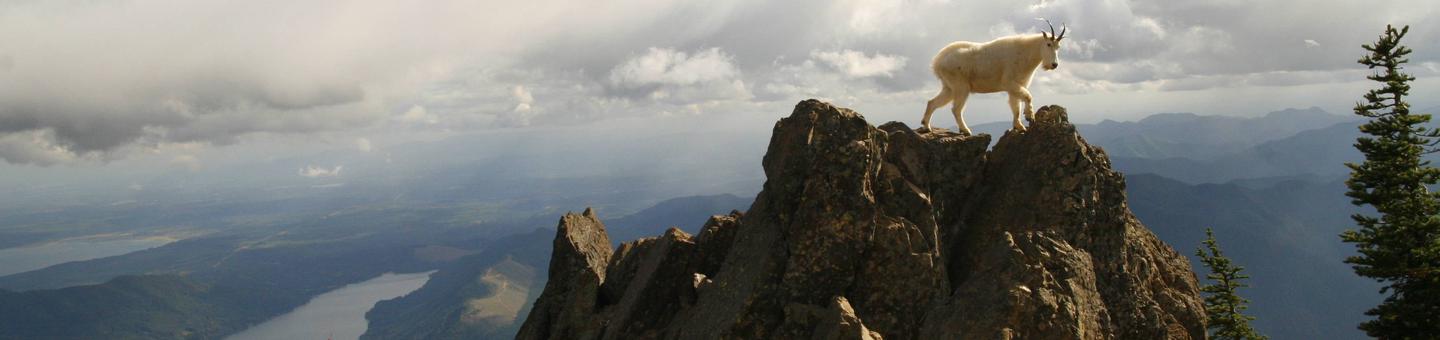
Olympic National Forest is a good choice for rainforest camping, coastal day trips, and visits to Olympic National Park. Dispersed camping is available along eligible forest roads, including areas near Forks. Campendium’s Forest Road 29 Dispersed Camping listing includes camper reports about RV access, site space, and logging traffic.
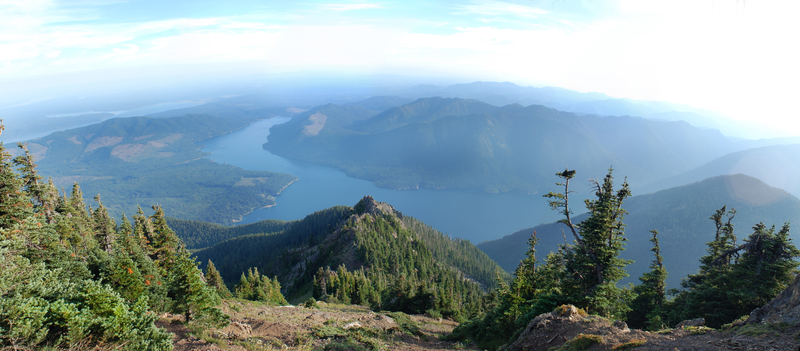
Camping is generally free, but wet conditions, road closures, and vehicle restrictions require checking before arrival.
Mount Baker-Snoqualmie National Forest
For dispersed camping near Seattle, consider the Mountain Loop Highway corridor around Granite Falls and Darrington. Forest-road pullouts offer primitive camping where permitted, with access to rivers and hiking trails.
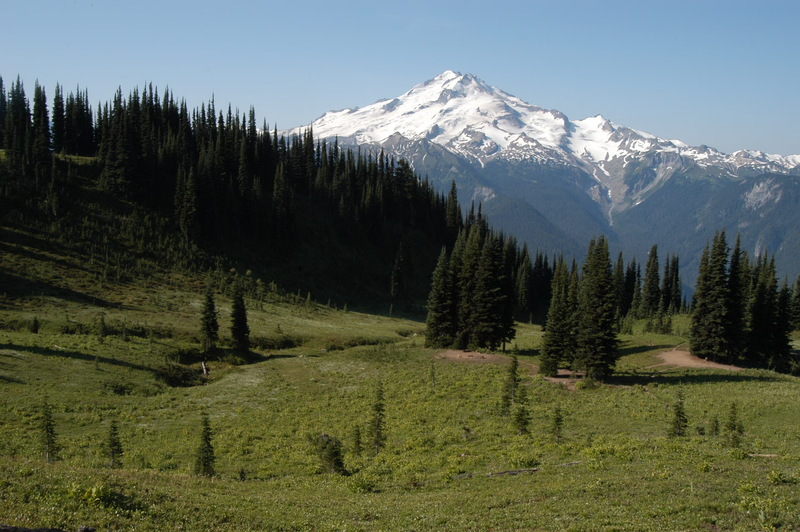
Camping at legal dispersed sites is generally free, but some recreation areas charge fees. Roads can be narrow, rough, or seasonally closed. Check the Mountain Loop Scenic Byway reviews for reported conditions and vehicle access before heading out.
Okanogan-Wenatchee National Forest
Okanogan-Wenatchee is a strong option for dispersed camping near Leavenworth, Cle Elum, and the Methow Valley. Its eastern Cascade locations generally offer drier conditions than western Washington, with primitive sites along eligible forest roads.
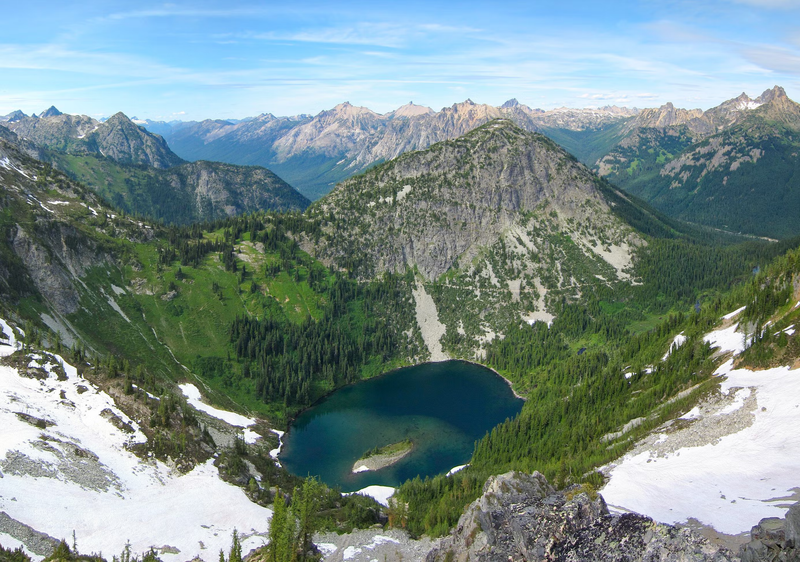
Most dispersed sites have no camping fee, but access varies considerably. Near Leavenworth, Lower Chiwawa River Road Dispersed Campsites has camper-reported RV access details. Check current road designations, snow conditions, and closures before relying on older reports.

Gifford Pinchot National Forest
Gifford Pinchot offers dispersed camping opportunities around Mount Adams and the Mount St. Helens region. Much of the forest permits camping outside developed campgrounds, although parts of the volcanic monument have stricter restrictions.
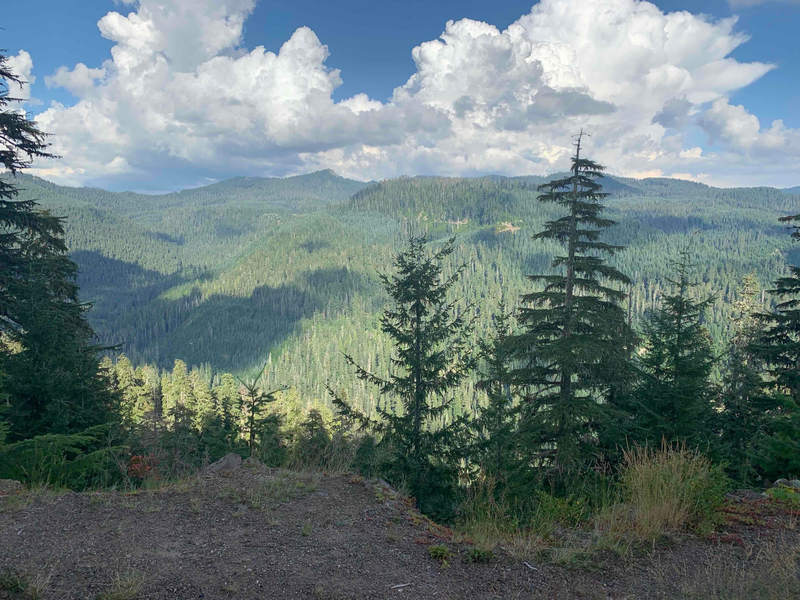
Most legal roadside dispersed camping is free. Forest roads vary in width and surface quality, so trailers and larger motorhomes need extra planning. Campendium lists Woods Creek Wildlife Dispersed Camping near Randle, with camper-submitted access and cell signal observations. Verify current forest closures and fire restrictions.
Colville National Forest
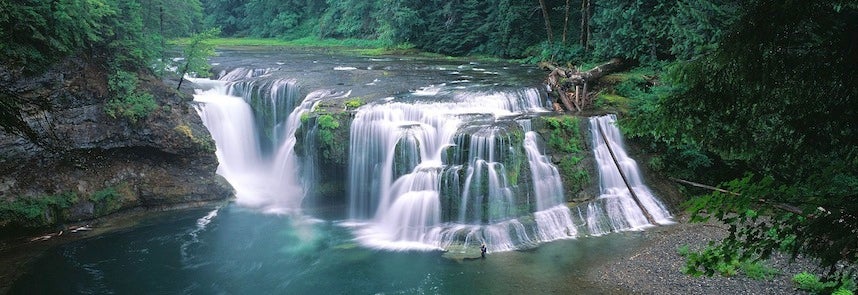
Colville National Forest is worth considering for quieter camping in northeastern Washington, particularly around its remote lakes and forest roads. Camping ranges from undeveloped roadside sites to primitive areas such as Lyman Lake, where the Forest Service identifies free camping.
Access roads and campsite sizes vary, making advance research especially useful for larger RVs. Check current road maps and restrictions, and consider developed alternatives such as Mill Pond Campground if dispersed access doesn’t suit your setup.

Washington DNR: Ahtanum and Wenas
Ahtanum State Forest and the Wenas area offer dispersed camping opportunities near Yakima and Selah. Both include Green Dot road systems that designate where motorized travel is permitted, with camping opportunities in eligible areas.
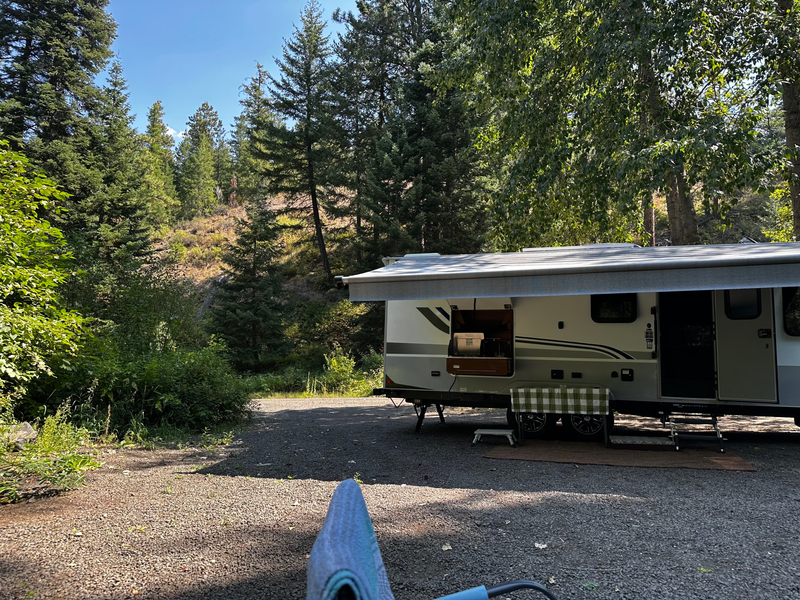
A Discover Pass is generally required for vehicle access, but eligible campsites typically have no additional nightly fee. Check seasonal gates, fire restrictions, land ownership, and posted signs before setting up. Campendium also lists Ahtanum Campground, a developed alternative for comparing RV access and facilities.
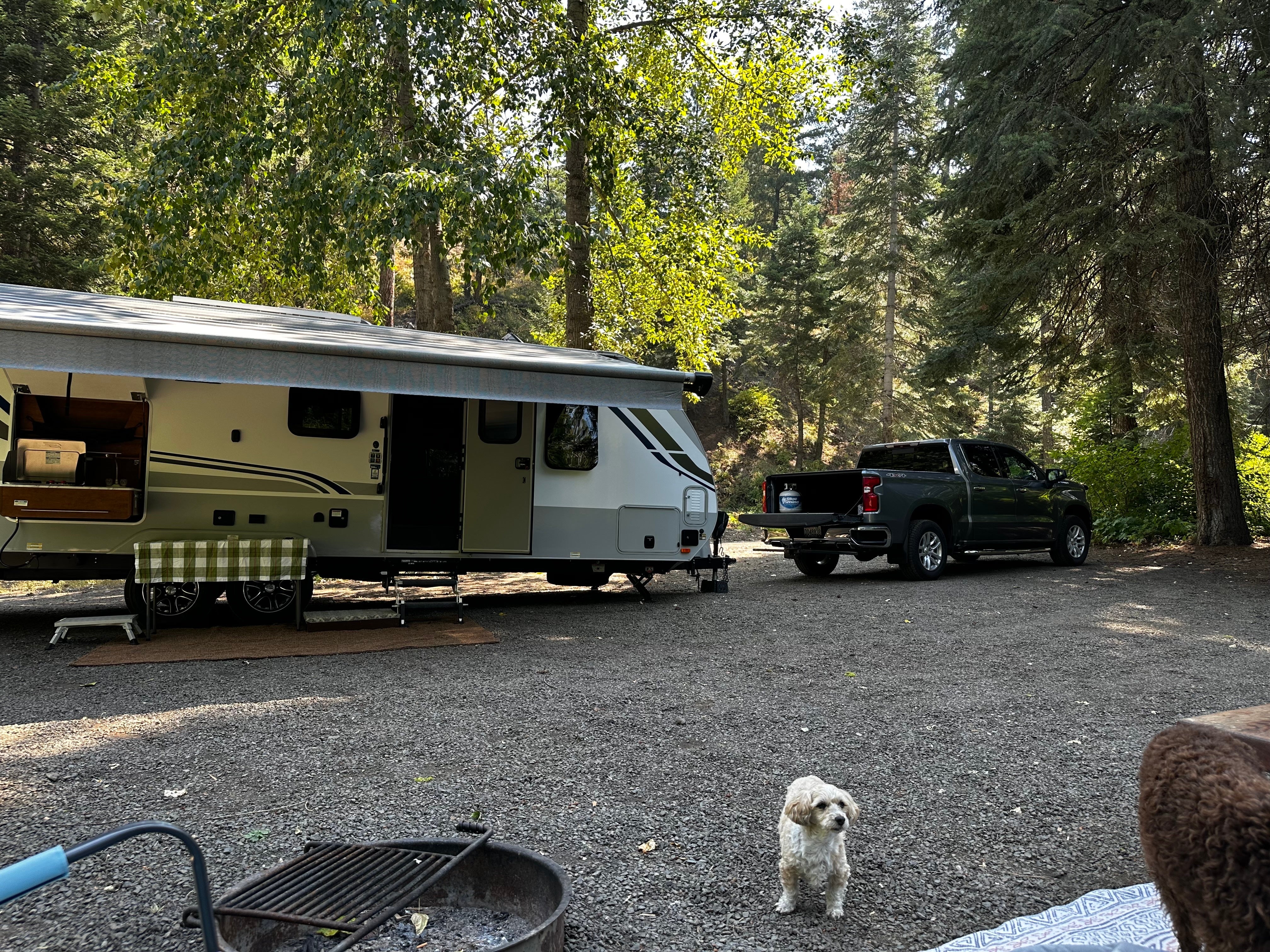
Eastern Washington BLM
Eastern Washington has fewer BLM camping opportunities than larger public-land states, but Douglas Creek near Waterville is a documented option. The BLM permits dispersed camping there with no camping fee and a 14-day stay limit.
The gravel canyon road can be difficult for larger RVs, especially after wet weather. Read Douglas Creek camper reviews for reported access difficulties, and check the BLM’s official site information before driving in. Don’t assume other BLM recreation sites have the same camping permissions.
Dispersed Camping on the Olympic Peninsula
Olympic National Forest and Olympic National Park have different camping rules. The U.S. Forest Service generally permits dispersed camping on eligible national forest land, while Olympic National Park prohibits roadside-style camping outside authorized campgrounds.
For dispersed camping near Olympic National Park, look for permitted sites along forest roads outside the park boundary. Forest Road 29 Dispersed Camping, near Sappho, has camper reviews covering RV access, site conditions, and reported cell service. Check current Forest Service restrictions before traveling.
Inside Olympic National Park, vehicle camping is limited to authorized campgrounds, and overnight wilderness camping requires a permit. Compare Olympic National Park campgrounds if you’d prefer to stay within the park.
Washington Dispersed Camping Rules
Dispersed camping rules in Washington depend on the land manager, forest, ranger district, and specific recreation area. Stay limits, campsite placement, vehicle access, and fire restrictions can differ even between nearby public lands.
Rules by land manager
| Land manager | Stay limits and passes | Camping and access restrictions |
|---|---|---|
| U.S. Forest Service | Varies by forest. Gifford Pinchot generally limits stays to 14 consecutive days at one location, while Olympic National Forest has a 21-day annual limit under its 2026 order. Dispersed camping is usually free; some recreation sites require a Northwest Forest Pass. | Use permitted sites and check the Motor Vehicle Use Map (MVUM) for legal roads. Water setbacks and designated-site restrictions vary. |
| BLM | Generally 14 days within a 28-day period, with local exceptions. Most dispersed camping is free; permits or fees may apply at certain sites. | Camp on previously used sites and follow designated road restrictions. Check local field office rules and closures. |
| Washington DNR | Generally 10 days within a 30-day period at DNR campsites unless otherwise posted. Some areas have shorter limits. A Discover Pass is generally required for vehicle parking. | Camp on durable surfaces at least 200 feet from water and 500 feet from developed recreation facilities. Avoid posted closures and designated-only areas. |
| National Parks | Stay limits, campground fees, and wilderness permits vary by park. | Roadside dispersed camping is prohibited. Vehicle camping is limited to authorized campgrounds. |
- Campsite placement and road access: Choose existing campsites where camping is permitted. Some areas require designated dispersed campsites rather than allowing campers to establish their own. National Forest MVUMs determine legal motorized access, while Washington DNR areas may use Green Dot road systems.
- Water setbacks: Never assume a single distance applies statewide. Washington DNR requires dispersed campsites to be at least 200 feet from water, while Gifford Pinchot National Forest guidance specifies 100 feet. Check the applicable forest or district restrictions before choosing a site.
- Campfires and restrictions: Washington DNR prohibits campfires at dispersed sites, allowing them only in approved designated campgrounds when restrictions permit. Forest Service and BLM fire rules depend on current orders. An existing fire ring doesn’t automatically mean fires are allowed.
- Human waste and trash: Use toilets where provided, or pack out human waste when required. Where catholes are permitted, follow local burial-depth and distance requirements. Never dump RV wastewater on public land. Follow Leave No Trace practices for boondocking, including packing out toilet paper, food scraps, and all other trash.
Dispersed Camping in an RV
Washington’s dispersed camping areas can accommodate RVs, but not every forest road or campsite is suitable for larger vehicles. Check these factors before committing to a location.
- Rig length: A pullout that fits a camper van may not accommodate a travel trailer or Class A motorhome. Use Campendium campground profiles to compare reported RV lengths, access notes, and camper photos.
- Road clearance: Forest roads can develop deep ruts, washouts, and low-hanging branches. Check current road reports and MVUMs. Campendium’s RV PRO navigation helps account for vehicle restrictions, but doesn’t guarantee that a forest road is passable.
- Turnaround space: Don’t assume there’s room to turn around farther down a narrow road. Scout questionable access before driving in, especially when towing.
- Weather: Rain can make western Washington’s forest roads muddy, while snow may block higher-elevation routes. Check weather forecasts and road closures before departure.
- Cell signal: Review camper-reported cell coverage by carrier rather than assuming service is available. RV PRO also offers carrier-specific filters and coverage overlays, though reception can vary by campsite.
- Water, waste, and power: Expect no hookups, potable water, or waste facilities unless confirmed. Fill your freshwater tank, plan your power needs, and locate RV dump stations along your route.
- Backup planning: Dispersed sites may be occupied, closed, or inaccessible. Save several backup locations on Campendium, including a developed campground, and keep directions available for low-signal travel.
How to Find Legal Dispersed Camping in Washington
Finding a legal dispersed campsite starts with checking public-land boundaries and local regulations. Once you’ve confirmed camping is permitted, use Campendium to compare sites and determine whether they’re accessible for your vehicle or RV.
- Identify the land manager. Determine whether your intended campsite is on National Forest, BLM, Washington DNR, or other land. Nearby public land boundaries don’t always match, so verify the specific location.
- Confirm dispersed camping is permitted. Check the managing agency’s current regulations for camping restrictions, designated-site requirements, stay limits, and permits. An undeveloped pullout isn’t automatically a legal campsite.
- Check official maps. Use the relevant Forest Service Motor Vehicle Use Map (Gifford Pinchot example), Washington DNR’s recreation and Green Dot road maps, or BLM’s Oregon/Washington maps. These help identify land boundaries and permitted motorized routes, but don’t automatically authorize camping at every roadside spot.
- Check current conditions and restrictions. Review forest or district alerts, road closures, weather conditions, and fire restrictions. Road access and camping permissions can change, particularly during wildfire season and winter.
- Search Campendium for nearby campsites. Open the Campendium map, search your preferred Washington region, and select Free Public Camping or filter by Public Land and Free nightly rates. Compare potential locations while confirming legality separately with the managing agency.
- Read recent camper reviews. Check dates, photos, and reports about road conditions, RV length, turnaround space, crowding, and cell coverage. Give more weight to recent reports from travelers using vehicles similar to yours, while remembering that conditions may have changed.
- Save backup locations. Use Campendium’s saved places feature to bookmark your preferred campsite and at least one alternative. Include a developed campground if possible, and download the official maps you’ll need before entering areas with limited cell service.
Frequently Asked Questions
Dispersed camping is generally permitted in eligible areas of Washington’s national forests, BLM lands, and some DNR-managed forests. Popular regions include Olympic, Mount Baker-Snoqualmie, Okanogan-Wenatchee, Gifford Pinchot, and Colville National Forests. Check local restrictions and designated motorized routes before selecting a site.
You can find free dispersed camping in many of Washington’s national forests and eastern Washington BLM areas, including Douglas Creek. Some DNR campsites have no nightly camping fee but require a Discover Pass for vehicle parking. Review Campendium’s dispersed camping guide for help finding legal sites.
A Discover Pass is generally required when parking a vehicle on Washington DNR-managed recreation lands, including eligible dispersed camping areas. It is not required for camping on U.S. Forest Service or BLM land. The pass covers vehicle access, not permission to camp in restricted areas.
Generally, no. The Northwest Forest Pass covers parking at designated day-use fee sites in national forests, such as certain trailheads and picnic areas. It is not a general dispersed camping permit and doesn’t cover separate developed campground fees. Check the specific recreation site’s requirements before visiting.
Olympic National Forest offers dispersed camping opportunities inland from the Washington coast, including forest-road areas near Forks. Check Forest Road 29 Dispersed Camping for camper-reported access information.
Camping directly on beaches is more restricted. Olympic National Park allows wilderness camping along certain coastal sections with permits, but that doesn’t include roadside RV camping.
Stay limits depend on the land manager. Gifford Pinchot National Forest generally allows up to 14 days, while BLM’s Douglas Creek also has a 14-day limit. Washington DNR generally limits stays at its campsites to 10 days within a 30-day period unless otherwise posted.
Other forests and recreation areas may have different limits. Always check the specific location’s rules.
It depends on the land manager and current fire restrictions. Washington DNR prohibits campfires at dispersed sites, while national forests and BLM areas may permit them when local regulations and fire conditions allow.
Check current fire restrictions before every trip. An existing fire ring doesn’t guarantee permission to use it.
Find Dispersed Camping in Washington on Campendium
The right campsite depends on more than location. Confirm that camping is permitted, check current stay limits and fire restrictions, and make sure your vehicle can handle the approach road. Recent camper reports can help you evaluate a site, but always have an alternative in case conditions change.
Ready to find a spot? Explore free camping across Washington on Campendium to compare camper reviews, photos, reported cell coverage, road access, and RV suitability. Save a few nearby backup locations, then confirm current conditions with the managing agency before heading out.