Finding somewhere to sleep during an RV road trip doesn’t always mean booking a campground. Some stores, travel centers, casinos, and other approved locations may allow overnight RV parking, while RV parks offer another option if you prefer a designated campsite.
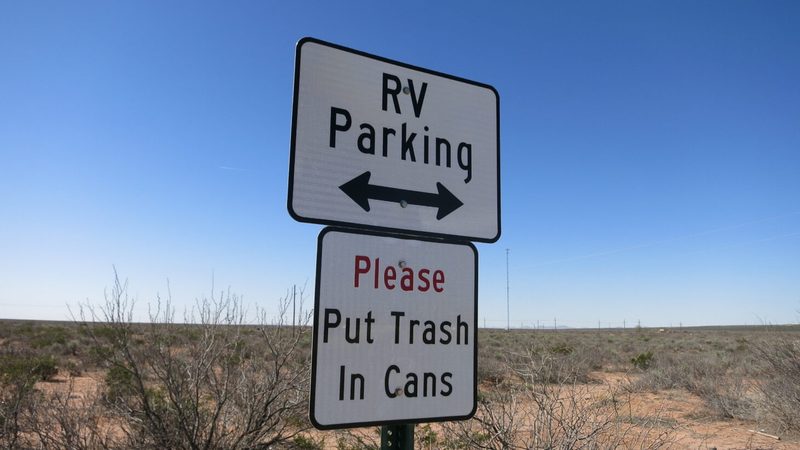
However, permission varies by property and local regulations. Before settling in, confirm that overnight parking is allowed, check whether your RV can safely enter and maneuver, and review recent traveler reports for changes in parking policies or conditions.
TL;DR
- Free overnight RV parking may be available at certain businesses, travel centers, and other approved locations.
- Check posted restrictions, local regulations, property permission, and RV accessibility before staying.
- Use Campendium to research overnight stops, review traveler experiences, and plan backup locations.
Find Overnight RV Parking Near You
You can use Campendium to find potential overnight RV parking locations near your destination or along your route. The Overnight RV Parking category is available with Campendium RV PRO, giving members access to overnight stops at retail lots, travel centers, casinos, and other locations.
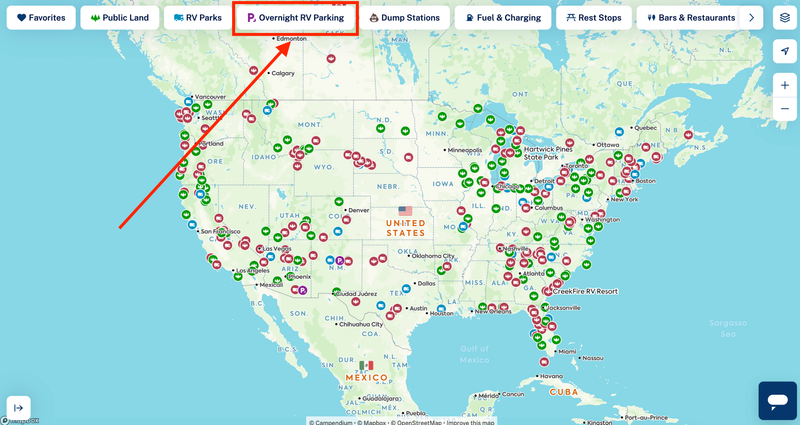
Here’s how to find a suitable stop:
- Enter a location. Search for a city, state, or destination on Campendium’s map.
- Choose overnight parking. Select the Overnight RV Parking category to explore nearby retail lots, travel centers, casinos, and other potential stops.
- Verify the stop. Check recent camper reviews, RV access details, and directions. Confirm current overnight parking permission with the property or managing agency before arriving.
- Save a backup. Bookmark another potential stop in case your first choice is unavailable, prohibits overnight stays, or cannot accommodate your RV.
Eligible new annual subscribers can try Campendium RV PRO free for 7 days to explore overnight parking options before committing to a membership. Start your 7-day Campendium RV PRO free trial here.
Note: The 7-day free trial is available to eligible annual RV PRO subscribers. Unless canceled at least 24 hours before the trial ends, the annual subscription will be charged. Monthly memberships do not include a free trial.
Where Can You Park an RV Overnight?
| Location type | Best for | Main consideration |
|---|---|---|
| Retail parking lots | Quick overnight stops without hookups | Store-specific permission |
| Truck stops and travel centers | Highway travel and late arrivals | Designated RV spaces and truck traffic |
| Casinos and restaurants | Convenient short stops | Management approval and parking layout |
| Highway rest areas | Short rest breaks | State-specific time and camping restrictions |
| Public lands | Approved dispersed camping or boondocking | Land access, designated areas, and permits |
| RV parks and campgrounds | Longer stays or access to amenities | Nightly fees and reservations |
These are potential overnight parking options, not blanket permission to stay. Rules can differ between locations, even within the same business chain or state.
Stores that may allow overnight RV parking
Some Walmart, Cabela’s, and Cracker Barrel locations may accommodate RV travelers overnight. These businesses can be convenient for a quick stop, especially when you’re traveling between destinations and don’t need hookups.
Permission depends on the specific property. Store managers, property owners, and local regulations can determine whether overnight stays are allowed. A store that’s open 24 hours doesn’t necessarily permit overnight RV parking.
Walmart, for example, allows individual store managers to decide whether RV parking is permitted based on available space and local laws. Read our Walmart overnight parking guide for more details on finding participating locations.
Before arriving, contact the business to confirm permission, ask where RVs should park, and check posted signs for any additional restrictions.
Truck stops, travel centers, and casinos
Travel centers such as Pilot, Flying J, and Love’s can be convenient overnight stops along major highways. Some locations offer designated RV parking, fuel, restrooms, dump stations, or other facilities, although amenities and overnight parking policies vary.
These stops also have drawbacks. Truck traffic, idling engines, and frequent vehicle movement can make sleeping difficult. Parking spaces may fill up, particularly during busy travel periods.
Casinos are another possibility. Some accommodate overnight RV parking, but you should contact security or management to confirm whether overnight stays are permitted, whether there’s a fee, and which parking areas can accommodate your rig.
For any of these locations, check with staff before settling in. Don’t assume that a large parking lot or designated RV space automatically permits an overnight stay.
Highway rest areas
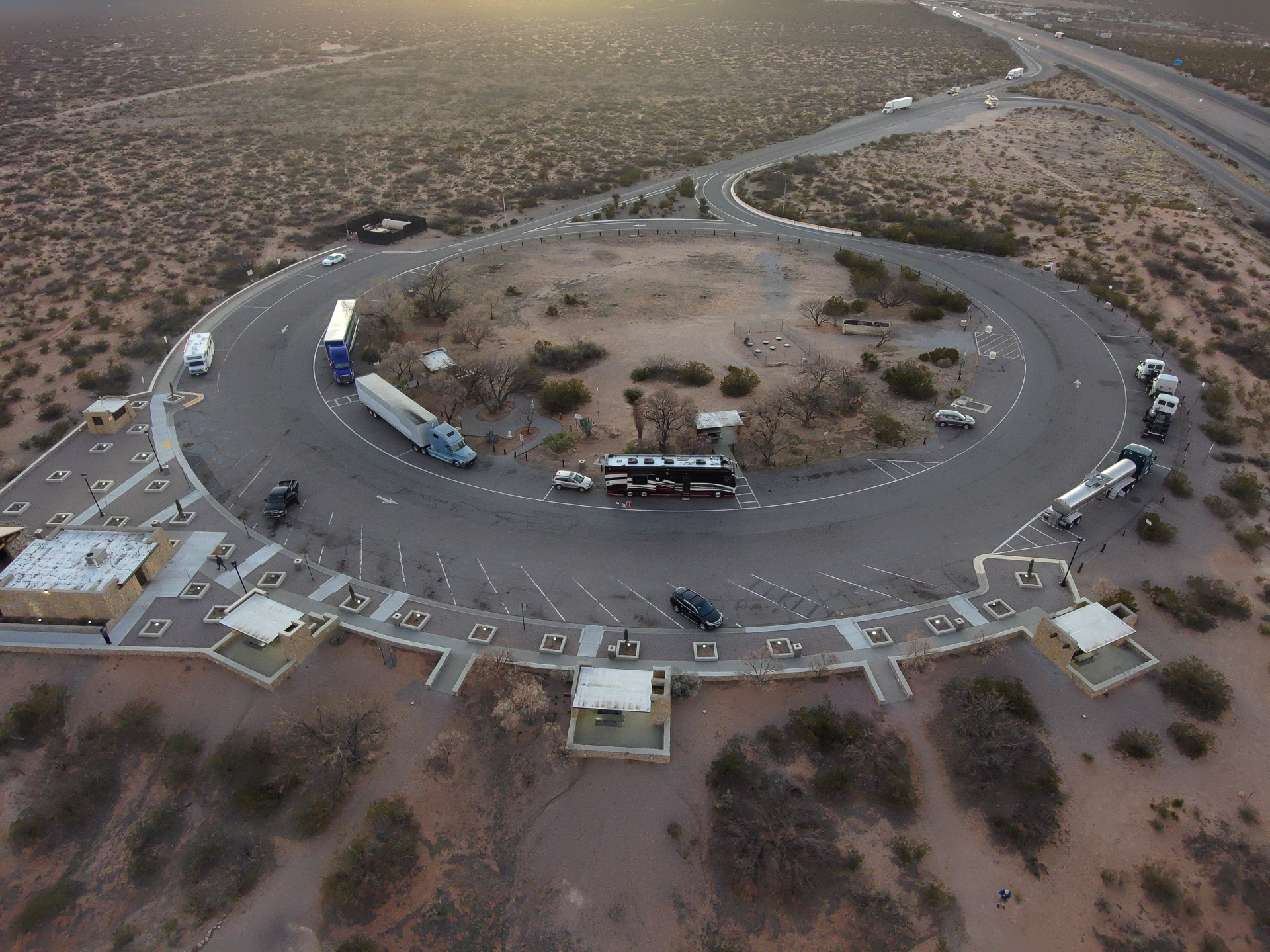
Highway rest areas are designed for drivers to take breaks, use restrooms, and recover from travel fatigue. Some states permit extended rest or overnight parking, while others impose shorter time limits or prohibit camping.
For example, the Florida Department of Transportation limits parking at state rest areas to three hours for the general public and prohibits overnight camping. Different rules apply to qualifying commercial motor vehicle operators.
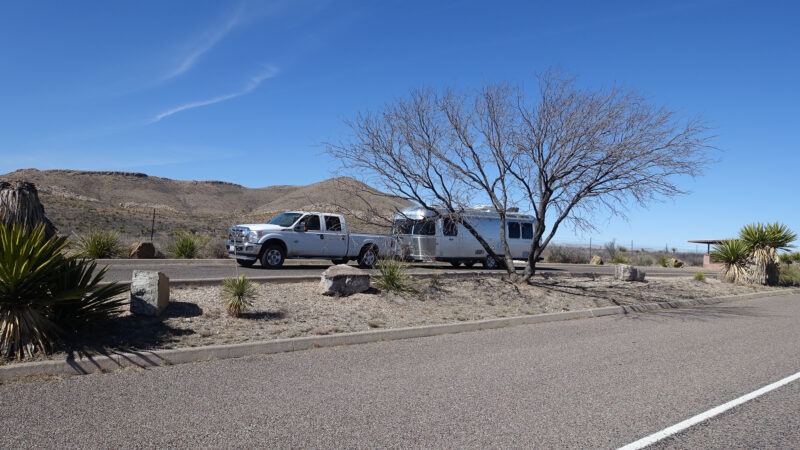
Sleeping briefly inside your RV during an allowed rest period is also different from setting up camp with awnings, outdoor furniture, or other equipment.
Because regulations vary, check current state transportation department guidance and posted signs before planning a stop. Our guide to overnight parking at rest areas explains what RV travelers should know about rest stops and their restrictions.
Public lands and designated camping areas
If you’d prefer somewhere you can stay longer than a few hours, approved dispersed camping areas on Bureau of Land Management (BLM) or U.S. Forest Service land may be worth considering.
Dispersed camping generally means camping outside developed campgrounds, often without hookups, restrooms, or other facilities. Some public lands permit free camping, although local rules may impose stay limits, require permits, or restrict camping to designated sites.
Public land doesn’t automatically mean overnight camping is allowed. A roadside pullout, parking area, or undeveloped clearing may be restricted even when nearby land permits camping.
Some areas specifically require campers to use established sites. Our guide to designated dispersed camping explains how these restrictions work.
Before choosing a spot, confirm the managing agency’s rules, check road access and RV suitability, and make sure the location is open to overnight camping.
Paid RV parks and other overnight alternatives
A paid campground or RV park may be the better choice when you need electrical hookups, fresh water, a dump station, or somewhere to stay for more than one night.
Unlike an informal parking stop, a reserved RV campsite gives you a designated place to stay for the booked period. Amenities vary by property and campsite, so confirm what’s included before making a reservation.
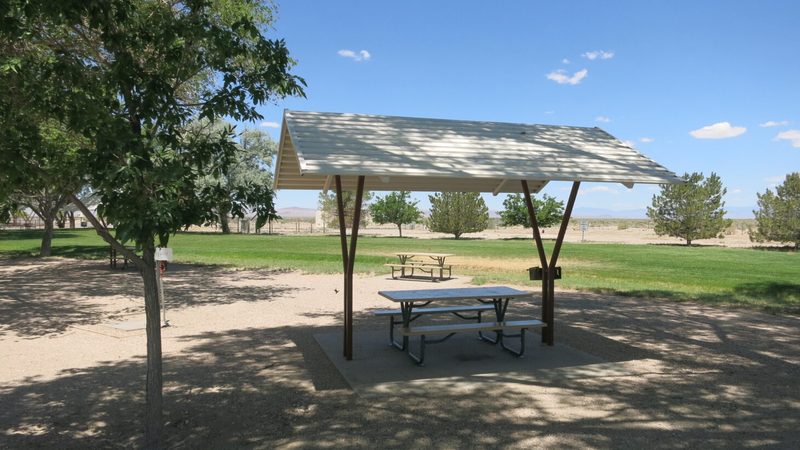
The tradeoff is cost, along with possible reservation requirements and check-in restrictions. For larger motorhomes or travel trailers, paying for a suitable campsite may also be preferable to searching for an unrestricted parking lot late at night.
You can compare RV parks on Campendium to review campsite amenities, reported RV lengths, traveler photos, and recent reviews before choosing a location.
How to Find and Verify Legal Overnight RV Parking
Finding a potential overnight parking spot is the first step. Before adding it to your route, check that overnight stays are permitted, your RV can access the property, and the information is current.
1. Search for parking along your route
Start with the Campendium map and search for a city or area where you expect to stop for the night. Campendium RV PRO members can select the Overnight RV Parking category to find potential stops, including retail lots, travel centers, casinos, and rest areas.
For longer drives, Campendium’s route-based search helps RV PRO members find locations within a selected distance of their planned route. This can help you avoid unnecessary detours when you’re ready to stop driving.
Don’t assume the closest result is your best option. Consider your expected arrival time, distance from the highway, and whether the location can accommodate your RV.
2. Check location-specific rules
Before planning to stay overnight, confirm that the specific property permits it. Check local ordinances, posted signs, and any applicable state regulations. A business operating 24 hours a day doesn’t necessarily allow RV travelers to spend the night.
For privately owned locations, contact management or security and ask:
- Is overnight RV parking permitted tonight?
- Where should RVs park, and how long can they stay?
- Are there restrictions on generators, slide-outs, or other equipment?
- Is advance approval, a purchase, or a parking fee required?
For rest areas and public lands, consult the responsible transportation department or land management agency. Current official restrictions and property rules take priority over older online recommendations.
3. Review recent camper experiences
Once you’ve confirmed the rules, check the location’s reviews on Campendium to learn what other RV travelers have encountered.
Look for reports describing successful overnight stays, whether permission was required, parking availability, entrance conditions, traffic noise, and any recent changes to the property’s policy.
Pay attention to review dates. A traveler who stayed successfully several years ago may have visited under different rules or management.
Camper reviews provide useful firsthand information, but they aren’t proof that overnight parking is currently legal or available. Always confirm permission independently.
4. Confirm that your RV will fit
A parking lot that accommodates campervans may not have enough room for a large motorhome or a truck towing a fifth wheel.
Check your RV’s total length, including the tow vehicle or any vehicle being towed. Look for enough space to enter, turn around, park, and leave without obstructing other vehicles.
Also consider narrow entrances, low branches, overhead canopies, uneven pavement, and steep approaches. Satellite imagery and camper photos can help you assess the layout, although they may not reflect current conditions.
Campendium RV PRO’s RV-Safe Navigation can help plan a route around certain height, weight, and propane restrictions. However, it cannot guarantee that a parking lot is accessible to your rig or that overnight parking is permitted.
5. Keep a backup stop
Even after confirming permission, your preferred location may be full, temporarily restricted, or unsuitable when you arrive.
Identify at least one alternative along your route and check its parking rules before departure. A nearby RV park or campground can also serve as a paid backup if overnight parking isn’t available.
You can save potential stops to your Campendium Favorites for easy reference. If you’re using the RV PRO Trip Planner, you can also organize preferred and alternative stops within your itinerary.
Having another option already researched is particularly helpful during late arrivals and busy travel periods.
Overnight RV parking verification checklist
Before heading to your overnight stop, run through these five checks:
- Permission: Confirm overnight parking is allowed with the property operator or managing agency.
- Restrictions: Check local regulations, posted signs, parking areas, and maximum stay limits.
- RV accessibility: Verify vehicle length, entrance clearance, turning space, and parking surface.
- Recent reports: Review dated camper experiences for access issues, noise, and policy changes.
- Backup location: Save at least one alternative and confirm its overnight parking rules.
Overnight RV Parking Rules and Etiquette
Overnight parking is generally intended for short rest stops rather than extended camping. Following local rules and respecting the property helps keep these locations available to RV travelers.
- Know the difference between overnight parking and camping. Overnight parking typically means arriving, sleeping inside your RV, and leaving within the permitted time. Setting out chairs, extending awnings, cooking on outdoor grills, or unloading camping equipment may be prohibited, even where overnight parking is allowed. Keep your setup contained unless the property explicitly permits camping activities.
- Ask permission and respect posted restrictions. Contact the store manager, security staff, or property operator before settling in. Ask where you can park, how long you may stay, whether generators or slide-outs are permitted, and if a purchase or parking fee is expected. Always follow posted signs and local regulations, even if someone previously reported staying without restrictions.
- Follow good overnight parking etiquette. Use designated RV spaces when available, and avoid blocking entrances, loading areas, traffic lanes, or spaces reserved for commercial trucks. Keep noise down, dispose of trash properly, never dump wastewater on the property, and leave within the approved time.
These habits help businesses continue accommodating overnight RV travelers. For longer campground stays, see our campground etiquette guide.
Frequently Asked Questions
Free overnight RV parking may be available at certain retail stores, travel centers, casinos, and approved public-land locations. Some highway rest areas also permit extended parking. Availability depends on local regulations and property-specific rules. Always confirm permission before staying, even if other RV travelers have parked there previously.
Some Walmart, Cracker Barrel, Cabela’s, Pilot Flying J, and Love’s locations may accommodate overnight RV parking. Certain casinos also welcome RV travelers. However, none of these businesses should be treated as having a universal overnight parking policy. Contact the specific location to confirm permission, parking areas, and stay limits.
Some states allow RV travelers to sleep at rest areas, while others restrict parking duration or prohibit overnight stays. Rules for resting inside a vehicle may also differ from camping. For example, Florida limits general-public parking at state rest areas to three hours. Check state transportation regulations and read our guide to overnight parking at rest areas before planning a stop.
Yes, some Walmart stores permit overnight RV parking, but individual store managers determine whether their locations can accommodate RVs, subject to local laws and property restrictions. Call ahead, follow posted signs, and park where directed. Our Walmart overnight parking guide explains how to find potential locations and verify their policies.
Not exactly. Boondocking generally refers to RV camping without hookups, often on public land, although some RVers use the term for overnight parking in commercial lots. Overnight parking typically involves a brief stop without setting up camp. Learn more about the different types of off-grid stays in our boondocking guide.
Find Your Next Overnight RV Parking Stop
Plan your next overnight stop with Campendium. RV PRO members can explore potential parking locations, check recent traveler reviews and RV access details, and save backup options along their route. Confirm current parking permission before you arrive.