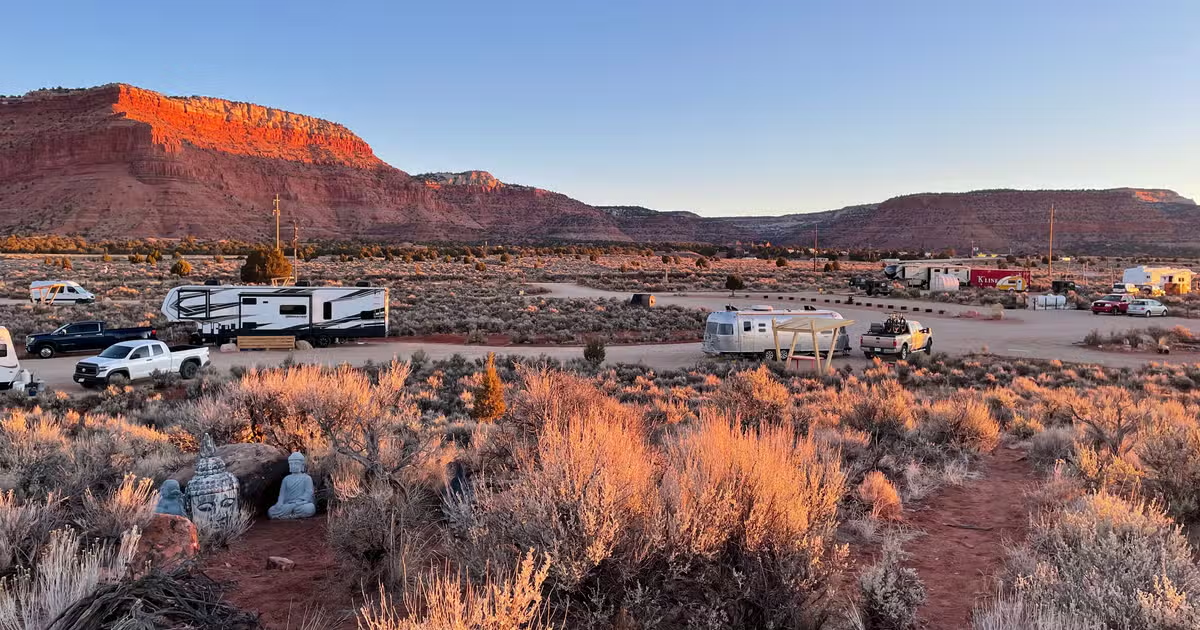
Camping in Utah can mean waking up near Moab’s red-rock desert or heading north for cooler mountain and lake campgrounds. Where you stay depends on more than the landscape; it’s about season, rig size, preferred amenities, road access, and interest in developed or public-land camping can all shape the decision.
This guide compares Utah’s major camping regions, the types of camping you’ll find in each, RV considerations, public-land options, reservations, and the practical details that can help you choose where to stay.
You can also explore Utah campgrounds on Campendium to search the map, compare campground options, and check recent camper reviews, photos, hookups, cell signal, and access details before choosing a site.
TL;DR
- Best for southern Utah and national parks: Look to Zion, Bryce Canyon, Moab, Arches, Canyonlands, and Capitol Reef, with nearby state park and public-land camping adding more options.
- Best for mountains and lakes: The Wasatch, Uintas, Bear Lake, and other northern Utah destinations are better fits for cooler mountain and lakeside camping.
- Best way to choose: Match the region to the season, your RV or tent setup, hookup needs, public-land preferences, and recent campground conditions.
Where to Camp in Utah at a Glance
Utah’s camping regions can feel very different once you account for elevation, weather, campground type, and access to public land. Use this comparison to narrow your route first, then look at individual campgrounds based on your rig, amenities, and reservation needs.
| Area | Best for | Camping style | Tent/RV | Hookups | Public-land options |
|---|---|---|---|---|---|
| Zion / Southwest Utah | National park trips and red-rock camping | National park, state park, RV park, dispersed nearby | Both; check RV site length | Varies by campground | BLM and other public land outside the park |
| Bryce Canyon / Grand Staircase-Escalante | Hoodoos, dark skies, and higher-elevation desert | National park, developed, primitive, dispersed | Both | Limited to available developed options | Forest Service and BLM options around the region |
| Moab / Arches / Canyonlands | Desert recreation and RV road trips | National park, BLM campground, RV park, dispersed | Both; dispersed access varies by road | Wide range around Moab | Extensive BLM camping, with designated-site rules in some areas |
| Capitol Reef / Goblin Valley | A quieter southern Utah route | National park, state park, developed, dispersed | Both | Varies | Public-land camping is available around parts of the region |
| Lake Powell / Glen Canyon | Boating, lake access, and shoreline-oriented trips | Developed, primitive, backcountry | Both; site type varies widely | Available at select developed campgrounds | Primitive and backcountry camping are available in parts of Glen Canyon |
| Wasatch Mountains | Mountain camping near Salt Lake City and other population centers | National Forest, state park, developed | Both | Varies by campground | National Forest camping is common |
| Uinta Mountains | Alpine camping and cooler summer trips | National Forest, developed, dispersed | Both; remote access varies | Generally limited outside developed options | National Forest camping and dispersed options |
| Bear Lake / Antelope Island / Northern Utah | Lakes, family trips, and northern Utah routes | State park, developed, RV, tent | Both | Full, partial, and no-hookup options are available depending on campground | Public-land options vary by destination |
| Flaming Gorge / Northeastern Utah | Reservoir camping, fishing, and longer road trips | National Forest, developed, dispersed | Both | Available at select campgrounds | National Forest and other public-land options |
Utah State Parks supports both tent and RV camping across much of its system, including locations such as Goblin Valley, Wasatch Mountain, Bear Lake, and Antelope Island, with hookup levels varying by campground. BLM land also adds a substantial public-land component, although areas around Moab can restrict dispersed camping to designated sites.
Season matters just as much as geography: southern Utah can become very hot in summer, while higher-elevation northern and mountain areas have colder weather and more seasonal campground access.
Once you have two or three regions in mind, explore Utah campgrounds on Campendium to compare specific sites, recent camper reviews, photos, hookups, road-access notes, and nearby alternatives on the map before settling on where to stay.
Best Places to Camp in Utah by Region
Utah camping changes quickly with geography. Southern Utah brings desert heat, exposed campsites, and heavy national park demand, while the mountains and northern lakes have higher elevations and more seasonal access. The best region depends on your route, camping setup, preferred amenities, and the time of year.
Zion and Southwest Utah
Best for: National park trips and red-rock scenery
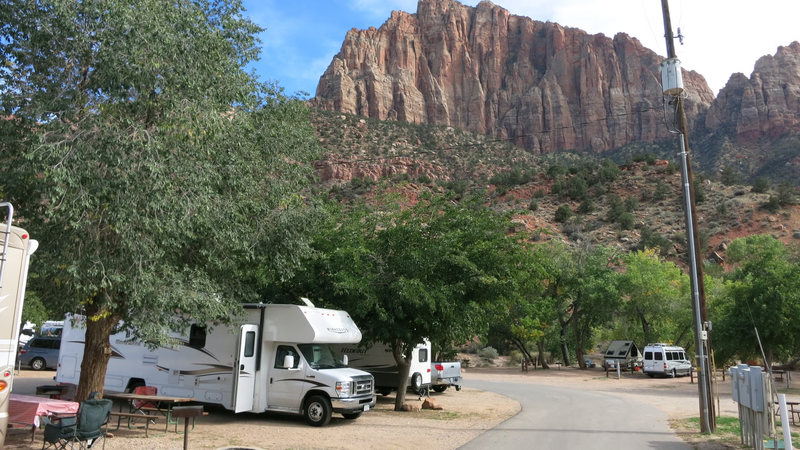
Camping inside Zion keeps you close to the park, but availability can be the limiting factor. Watchman, South, and Lava Point are the park’s three developed campgrounds, and reservations are required. Watchman stays open year-round, while South and Lava Point operate seasonally. Campgrounds near Springdale and elsewhere in southwest Utah add private and developed alternatives when staying inside the park does not work for your dates.
RV travelers should check site dimensions and their approach route before booking, since large-vehicle restrictions apply on part of the Zion-Mount Carmel Highway. Public lands outside the park can add dispersed and lower-amenity camping options, but rules and road conditions vary by location.
Moab, Arches and Canyonlands
Best for: Desert adventure and RV road trips
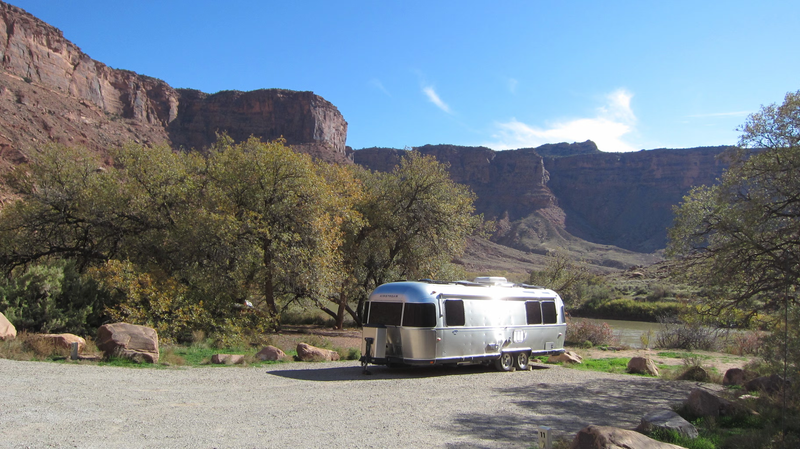
Moab gives campers several ways to approach an Arches or Canyonlands trip. You can stay inside the parks, use one of the many BLM campgrounds around Moab, choose a private RV park with more amenities, or camp at qualifying dispersed sites farther from town. Arches’ Devils Garden Campground accepts RVs and trailers but does not offer hookups, making Moab useful for travelers who want services such as dump stations, showers, fuel, and supplies nearby.
BLM manages dozens of campgrounds around Moab, along with dispersed sites, but camping close to town is more regulated than many visitors expect. Some popular areas restrict camping to developed campgrounds or designated sites, so a patch of open desert is not automatically a campsite.
See our best campgrounds in Moab guide when you are ready to compare individual places to stay.
Bryce Canyon and Grand Staircase-Escalante
Best for: Hoodoos, dark skies, and cooler high-desert camping
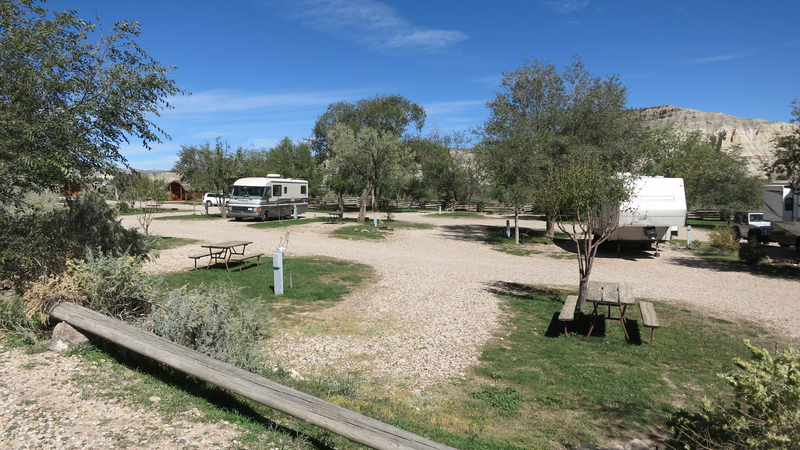
Bryce Canyon works well for campers who want to stay close to the national park while camping at a higher elevation than many southern Utah destinations. North and Sunset campgrounds provide developed camping inside the park, with reservation policies and seasonal operations that should be checked before the trip. RV travelers should also pay attention to vehicle restrictions around the Bryce Amphitheater during shuttle season.
Grand Staircase-Escalante expands the choices with BLM campgrounds and dispersed camping. The tradeoff is that facilities and RV suitability can vary sharply. Some small campgrounds are better suited to tents or compact vehicles, so recent road and site information becomes more important once you leave the main developed areas.
Capitol Reef and Goblin Valley
Best for: A quieter southern Utah route
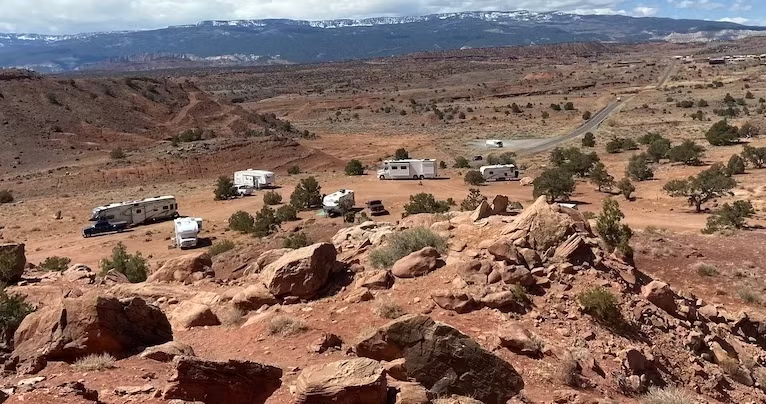
Capitol Reef and Goblin Valley make a useful pairing for travelers moving between Utah’s better-known national park areas. Capitol Reef’s Fruita Campground is the park’s only developed campground, with 71 sites, potable water, and an RV dump station but no individual hookups. Campsites are reservable year-round, and demand is especially high from spring through fall.
Goblin Valley State Park provides another developed option along this part of the route. Its campground includes tent and RV spaces plus yurts, but there are no electrical hookups. Reservations open in advance, so campers planning around busy weekends should check availability early.
Lake Powell and Glen Canyon
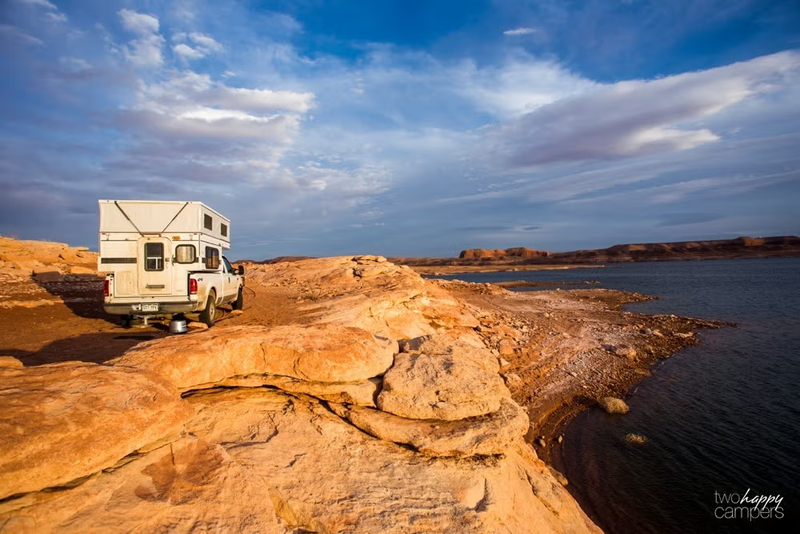
Best for: Boating and waterfront-oriented trips
Glen Canyon gives campers a much wider range of site types than a standard campground stay. Options around Lake Powell include full-hookup RV sites, dry developed sites, and primitive camping areas, making this region useful for both RV travelers and campers planning time on the water. Wahweap, for example, combines dry camping with full-hookup RV sites and services such as showers, potable water, laundry, and a dump station.
Conditions around Lake Powell can affect campground facilities, boat access, and seasonal services. Check current NPS information before the trip rather than assuming every marina, launch area, or primitive camping area will have the same access and amenities throughout the year.
Wasatch Mountains and Salt Lake City
Best for: Mountain camping near a major city
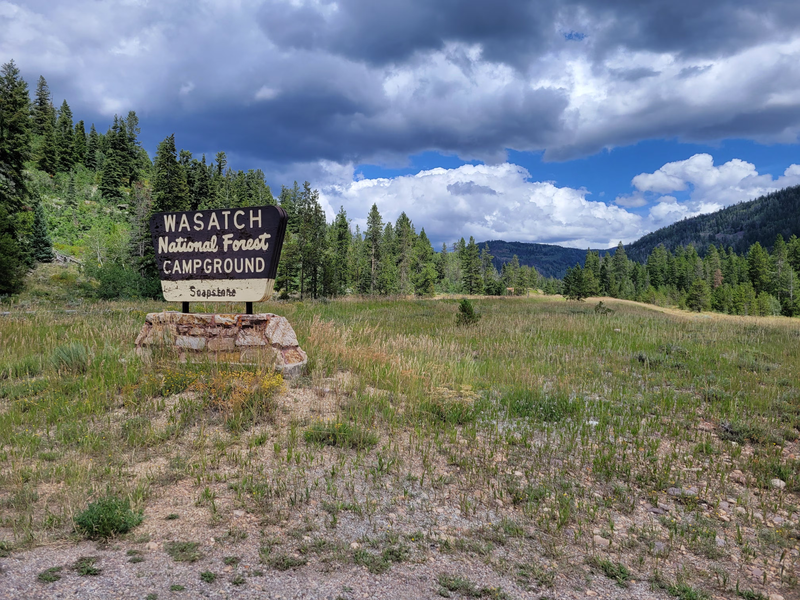
The Wasatch Mountains are a practical choice when you want forest camping without building an entire trip around southern Utah. Big Cottonwood Canyon has developed Forest Service campgrounds such as Spruces and Redman, while Little Cottonwood Canyon adds options such as Albion Basin. Many mountain campgrounds are seasonal, so opening dates can depend on weather and snow conditions.
Being close to Salt Lake City also makes it easier to restock between camping stops. Campground amenities still vary, and some canyon locations have additional watershed rules, so check the specific campground rather than assuming the same policies apply across the Wasatch.
Uinta Mountains
Best for: Alpine camping and escaping summer heat
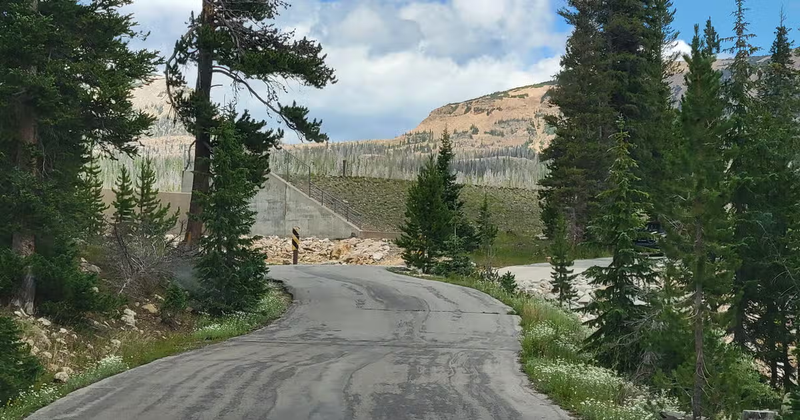
The Uintas shift the experience toward forests, alpine lakes, and higher-elevation camping. Developed Forest Service campgrounds are spread through the range, including many along and around the Mirror Lake Highway corridor, while dispersed camping is possible in qualifying National Forest areas.
Expect fewer services as you move away from developed campgrounds. Potable water is not available at every site, roads can become more remote, and many campgrounds operate seasonally.
Bear Lake, Antelope Island and Northern Utah
Best for: Lakes and northern Utah trips
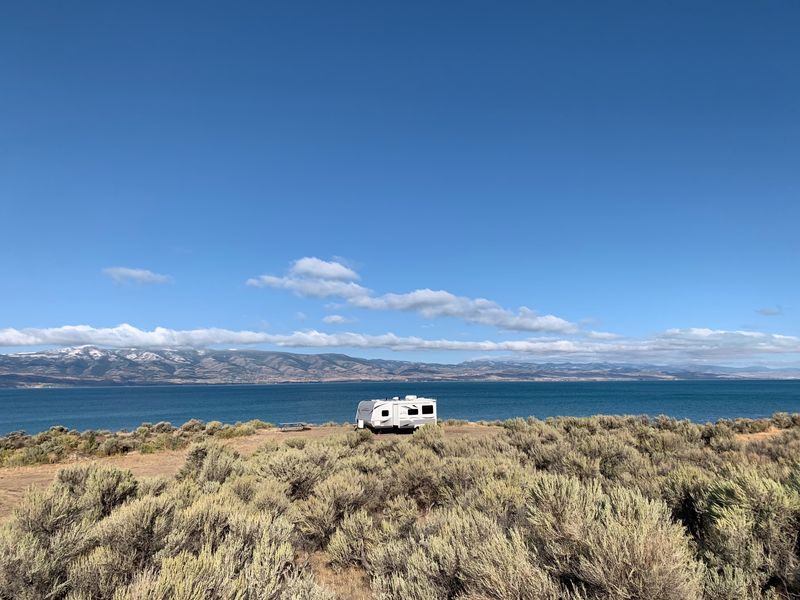
Bear Lake is one of the stronger northern Utah choices for campers who want developed facilities and water access. The state park includes everything from tent camping to full-hookup RV sites, with some sites sized for larger rigs. Many facilities operate seasonally, so dates matter when comparing campground options.
Antelope Island offers a different kind of northern Utah stay on the Great Salt Lake. Bridger Bay welcomes tents and RVs, with water and electricity available in part of the campground, while primitive hike-in sites provide a lower-amenity alternative. Reservations are strongly recommended for weekends.
Choose Your Utah Camping Style
The right region is only half the decision. Utah also offers everything from full-hookup RV sites and developed park campgrounds to primitive public-land camping, so start with the type of campsite that fits how you travel and the services you need.
RV camping
For RV camping in Utah, decide first whether you need hookups or are comfortable dry camping without water, sewer, or electricity at the site. Utah State Parks includes full-hookup, partial-hookup, and primitive options, while many federal campgrounds offer fewer utilities.
Before booking, check the maximum RV or trailer length, site dimensions, dump station and water availability, and the road used to reach the campground. Generator rules also vary by campground. For remote or unpaved approaches, recent camper reports can help flag rough roads, tight turns, limited turnaround space, and other access concerns.
Tent camping
Tent campers have fewer rig-fit concerns, but campsite conditions matter just as much. In southern Utah, look closely at shade, exposure, heat, wind, and access to drinking water. In the Wasatch or Uintas, elevation, colder nights, weather, and seasonal campground access become more important.
Also consider how close the site is to the trails or recreation areas you plan to use. A campground near the trailhead can cut down on daily driving, while a more remote site may offer more space but fewer facilities and a longer trip to supplies.
Developed campgrounds
Developed camping in Utah includes national park campgrounds, Utah State Parks, Forest Service campgrounds, and private RV parks. The experience can range from a basic site with a picnic table and restroom access to an RV site with water, sewer, and electrical hookups.
Utah State Parks specifically offers camping ranging from full-hookup RV sites to primitive campsites, with the mix varying by park.Private campgrounds can be useful when hookups, showers, laundry, or other RV services matter more than staying inside a park. Check each campground individually rather than assuming a campground type guarantees a certain amenity.
Dispersed and boondocking
BLM and National Forest lands create plenty of opportunities for dispersed camping in Utah, but public land does not mean every roadside pullout is open for camping. BLM defines dispersed camping as camping away from developed recreation facilities and notes that most BLM lands allow it unless an area is closed or subject to specific restrictions. Local rules still apply.
National Forest rules can also vary by forest, district, road, and designated travel area. Some locations restrict where vehicles may leave established routes or where dispersed sites can be used. Before committing to a site, confirm the managing agency, current camping restrictions, fire rules, road conditions, and whether your vehicle can handle the approach.
Campendium can help narrow the search by showing public-land camping alongside recent reviews, photos, and access information.
Cabins, yurts, and other camping alternatives
A tent or RV is not your only option. Utah State Parks also lists cabins, cottages, yurts, teepees, hammocks, and wagons at select parks. Availability and amenities differ by location, so check the individual park before booking.
When Is the Best Time to Camp in Utah?
There is no single best camping season across Utah. Elevation and geography can make conditions near Moab very different from those in the Wasatch or Uintas, so choose your timing based on the region you plan to visit.
Southern desert destinations
- Spring and fall: Often the most comfortable periods for camping around Moab, Zion, Capitol Reef, and other desert areas.
- Summer: Expect high daytime temperatures, exposed campsites, and greater heat-related planning needs.
- Weather: Flash floods, storms, and fire restrictions can affect access and camping plans, so check current conditions before leaving.
Higher-elevation and northern Utah
- Summer: Generally offers the widest access to mountain and lake campgrounds in the Wasatch, Uintas, and northern Utah.
- Spring and fall: Cooler temperatures can be appealing, but snow and freezing nights may shorten the camping season at higher elevations.
- Seasonal access: Some campgrounds and mountain roads close or operate with limited services outside warmer months.
Winter camping
- Southern Utah: Lower-elevation desert areas can offer winter camping opportunities, although freezing nights and storms are still possible.
- Mountain regions: Expect snow, colder temperatures, and more campground or road closures.
Reservations, Permits, and Camping Rules in Utah
There is no single reservation or permit system for camping across Utah. Booking rules depend on who manages the land, and even campgrounds under the same agency can use different reservation windows or first-come, first-served policies. Check the individual campground and managing agency before building your trip around a site.
- National parks: Camping policies vary by park and campground. Zion currently requires reservations for its park campgrounds, while Bryce Canyon’s developed campgrounds are reservation-only for the 2026 season. Capitol Reef’s Fruita Campground is also reservable through Recreation.gov. Backcountry camping may require a separate permit.
- Utah State Parks: Individual campsites are generally reserved through ReserveAmerica on a rolling reservation window, but walk-in availability and seasonal policies can differ by park. For example, Antelope Island allows day-before and same-day camping on a first-come, first-served basis when sites are available.
- National Forest campgrounds: Some Forest Service campgrounds accept reservations through Recreation.gov, while others remain first-come, first-served. The Uinta-Wasatch-Cache National Forest includes examples of both, so check the specific campground rather than assuming one rule applies across the forest.
- BLM camping: Rules depend on the field office and recreation area. BLM Utah notes that some group campsites can be reserved, while many individual sites are first-come, first-served. Certain dispersed camping areas also require permits or restrict camping to designated sites.
- Private campgrounds: Reservation windows, deposits, cancellation rules, minimum stays, and walk-in availability are set by the individual campground or operator. Confirm the policy directly before arrival.
Frequently Asked Questions
It depends on the trip. Zion and southwest Utah work well for national park trips, Moab for Arches and Canyonlands, the Uintas and Wasatch for mountain camping, and Bear Lake or Antelope Island for northern Utah and lakeside stays.
Free camping is available on many BLM-managed lands and at some dispersed camping areas in Utah’s National Forests. BLM Utah generally allows free dispersed camping unless an area is posted otherwise, but local restrictions and designated-site rules can apply. Developed public campgrounds usually charge a fee.
No. Camping is limited to developed campgrounds and areas where dispersed camping is legally permitted. Even on BLM land, some areas restrict camping to designated sites or prohibit it near certain recreation areas, roads, water sources, or sensitive resources.
Yes, dispersed camping is allowed on many BLM and National Forest lands in Utah. Restrictions vary by managing unit, and some popular areas require campers to use designated sites. Confirm current rules, road access, stay limits, and fire restrictions before choosing a spot.
It depends on the campground. Some popular national park and state park campgrounds require or strongly recommend reservations, while many Forest Service and BLM sites operate first-come, first-served. Check the specific campground before your trip rather than assuming one policy applies statewide.
Find Your Utah Campsite With Campendium
The right Utah campground depends on your route, rig size, camping style, and the amenities you need along the way. Explore Utah campgrounds on Campendium to compare camper reviews, photos, hookups, cell signal, access details, and nearby camping options on the map, then check recent reports before you go.