


There isn’t one best campground in the Smoky Mountains for every trip. Great Smoky Mountains National Park covers a large area, and where you camp can change how much time you spend driving, which trails and attractions are nearby, how busy your stay feels, and whether the campground works for your RV and amenity needs.
The right choice comes down to what you want to do, which side of the park you plan to explore, and how you camp. This guide compares the main campgrounds by location, RV fit, amenities, access, and the tradeoffs worth knowing before you book.
Compare Great Smoky Mountains campgrounds on Campendium to check recent reviews, photos, RV details, cell coverage, and nearby options on the map.
TL;DR
- Best overall / first trip: Elkmont for a central Tennessee-side location, Little River setting and access to trails and Gatlinburg.
- Best for wildlife: Cades Cove for the loop road, valley scenery and wildlife viewing.
- Best quieter alternatives: Cosby for the Tennessee side or Cataloochee for a remote North Carolina-side stay.
Best Smoky Mountains Campgrounds at a Glance
Great Smoky Mountains National Park has 10 developed frontcountry campgrounds. The table below compares them by location, camping style, RV fit, hookups, and the main tradeoff to consider. Bolded campgrounds are covered in more detail later in this guide.
| Campground | Area | Best for | RV fit | Hookups | Key tradeoff |
|---|---|---|---|---|---|
| Elkmont | Gatlinburg / Little River | First-time visitors, trails, and a central Tennessee-side base | RVs up to 35 ft; trailers up to 32 ft | None | Popular location, and site driveways vary in size and fit |
| Cades Cove | Cades Cove / west side | Wildlife, scenic drives, and the Cades Cove Loop | RVs up to 40 ft; trailers up to 35 ft | None | Heavy traffic can make this a busier base |
| Smokemont | Oconaluftee / Cherokee | Exploring the North Carolina side | Site-dependent; some sites accommodate RVs up to 40 ft | None | Less convenient for Tennessee-side attractions |
| Cosby | Cosby / east Tennessee | A quieter Tennessee-side stay and nearby trails | RVs and trailers up to 25 ft | None | Farther from Gatlinburg, Cades Cove, and the park’s central corridor |
| Deep Creek | Bryson City / Deep Creek | Waterfalls, creek access, and tubing | RVs and trailers up to 26 ft | None | Limited for larger rigs and far from Tennessee-side sights |
| Cataloochee | Cataloochee Valley | Elk viewing, seclusion, and the historic valley | Up to 31 ft, but access deserves extra consideration | None | Narrow, winding gravel access with steep drop-offs |
| Look Rock | Foothills Parkway West | RVers who want limited in-park hookups | Site-dependent, roughly 13 to 48 ft | Electric + water at 10 sites | Seasonal location and limited hookup inventory |
| Balsam Mountain | North Carolina high country | Higher-elevation camping and cooler summer temperatures | RVs and trailers up to 24 ft | None | Small-rig limits and a less central location |
Cades Cove and Smokemont are open year-round, while the park’s other eight frontcountry campgrounds operate seasonally. Advance reservations are required at all park campgrounds.
None of the campgrounds have showers, and Look Rock is the only location with standard campsite hookups, available at a limited number of sites. For more information, check the NPS frontcountry camping page for current campground information before your trip.
The Best Campgrounds in Great Smoky Mountains National Park
Choose your campground based on the part of the park you plan to explore rather than simply booking whichever option appears first. A campground that works well for Cades Cove can add significant driving if most of your plans are near Cherokee, Deep Creek, or the central park corridor.
Best overall for first-time visitors: Elkmont Campground
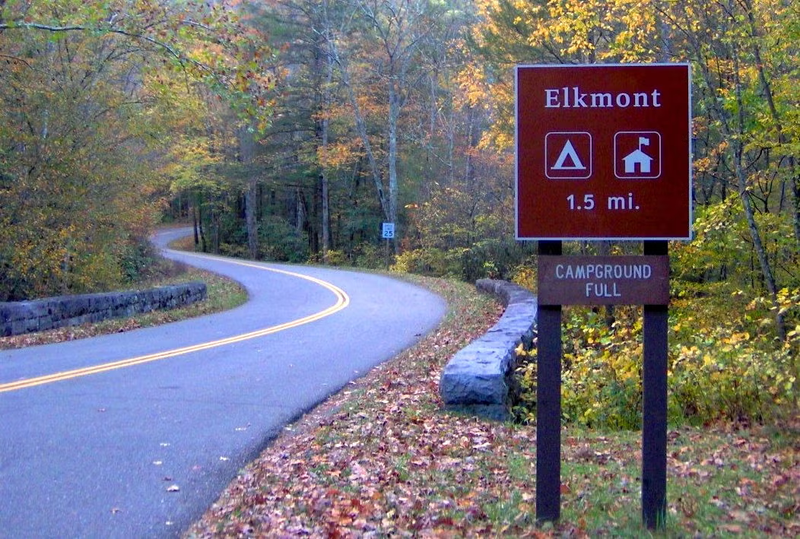
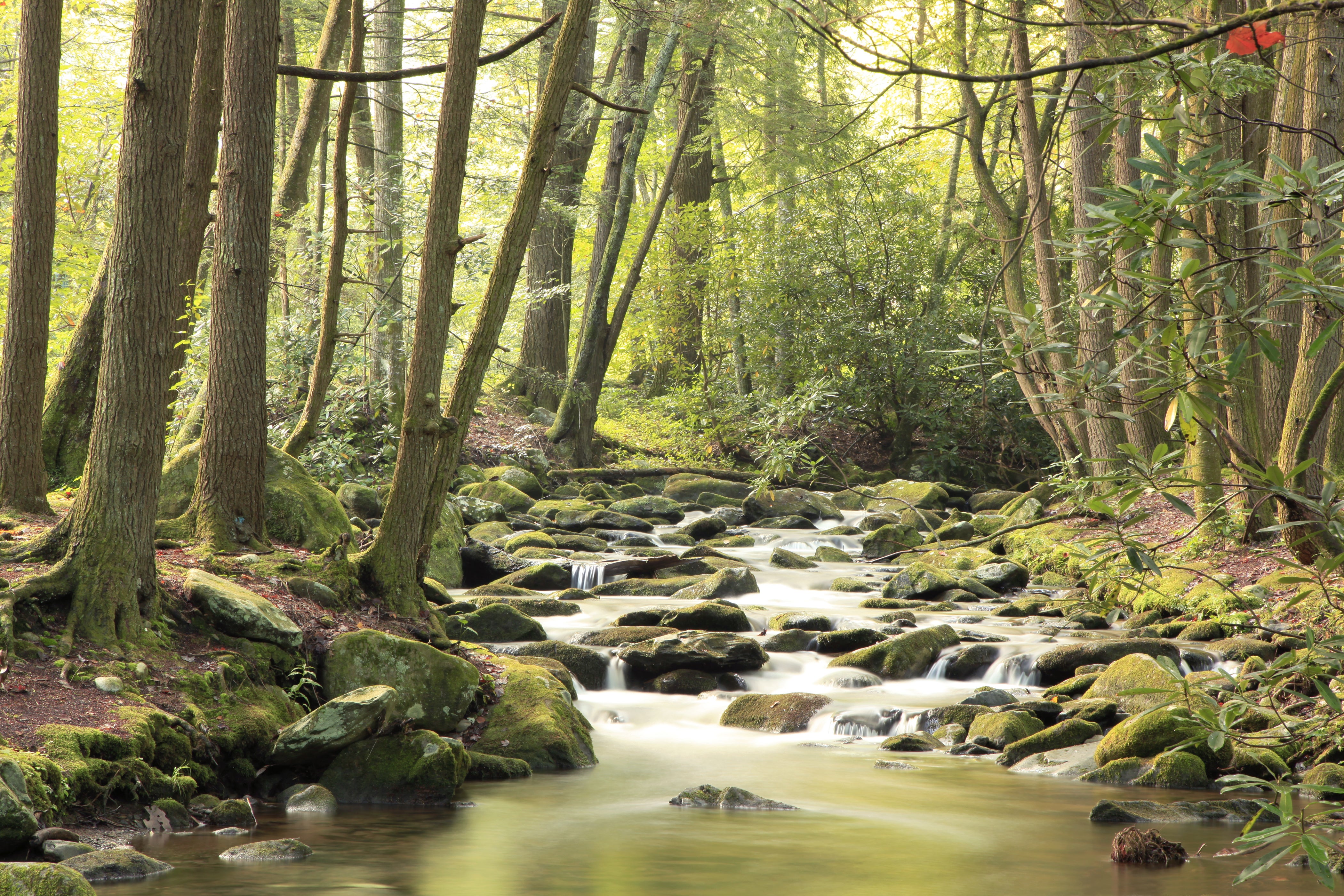
Elkmont works well for a first Smokies trip because it combines a forested Little River setting with relatively convenient access to Sugarlands Visitor Center, Gatlinburg, and the park’s central road network. Little River Trail, Jakes Creek Trail, and the Elkmont Nature Trail are also accessible from the campground area.
Both tents and RVs are allowed. NPS lists a maximum RV length of 35 feet and trailer length of 32 feet, but the campground-wide limit does not mean every site will fit those dimensions. Individual driveways differ in length and slope, and some are better suited to tents. Elkmont has no hookups, with the nearest dump station about six miles away at Sugarlands.
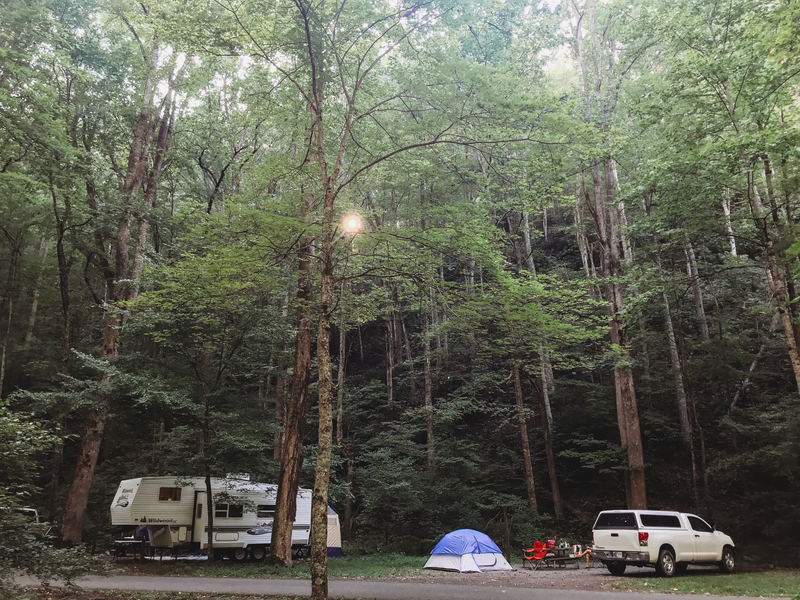
Choose Elkmont if you want a central Tennessee-side base with trail access and a wooded campground setting. Campers focused almost entirely on Cades Cove may find its namesake campground more convenient, while RVers who need campsite hookups should look at Look Rock. Riverside sites can also be competitive, so plan ahead if camping beside Little River matters to you.
What recent campers say: Recent Campendium reviews continue to favor Elkmont’s river sites and hiking access. A July 2026 camper specifically recommended trying for a river site and noted the ability to start a Little River area hike from the campground. Other recent feedback reinforces that facilities are basic and campsites have no electric or water hookups.
Best for wildlife and scenic drives: Cades Cove Campground
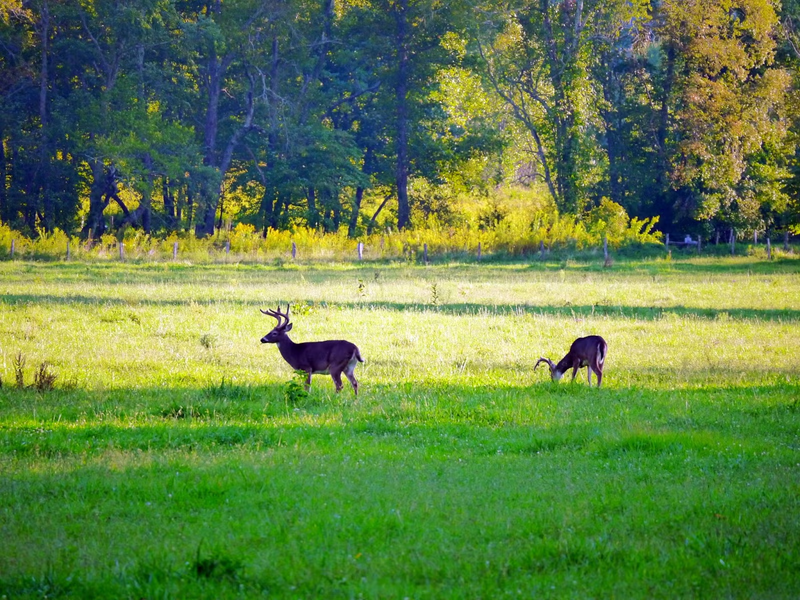
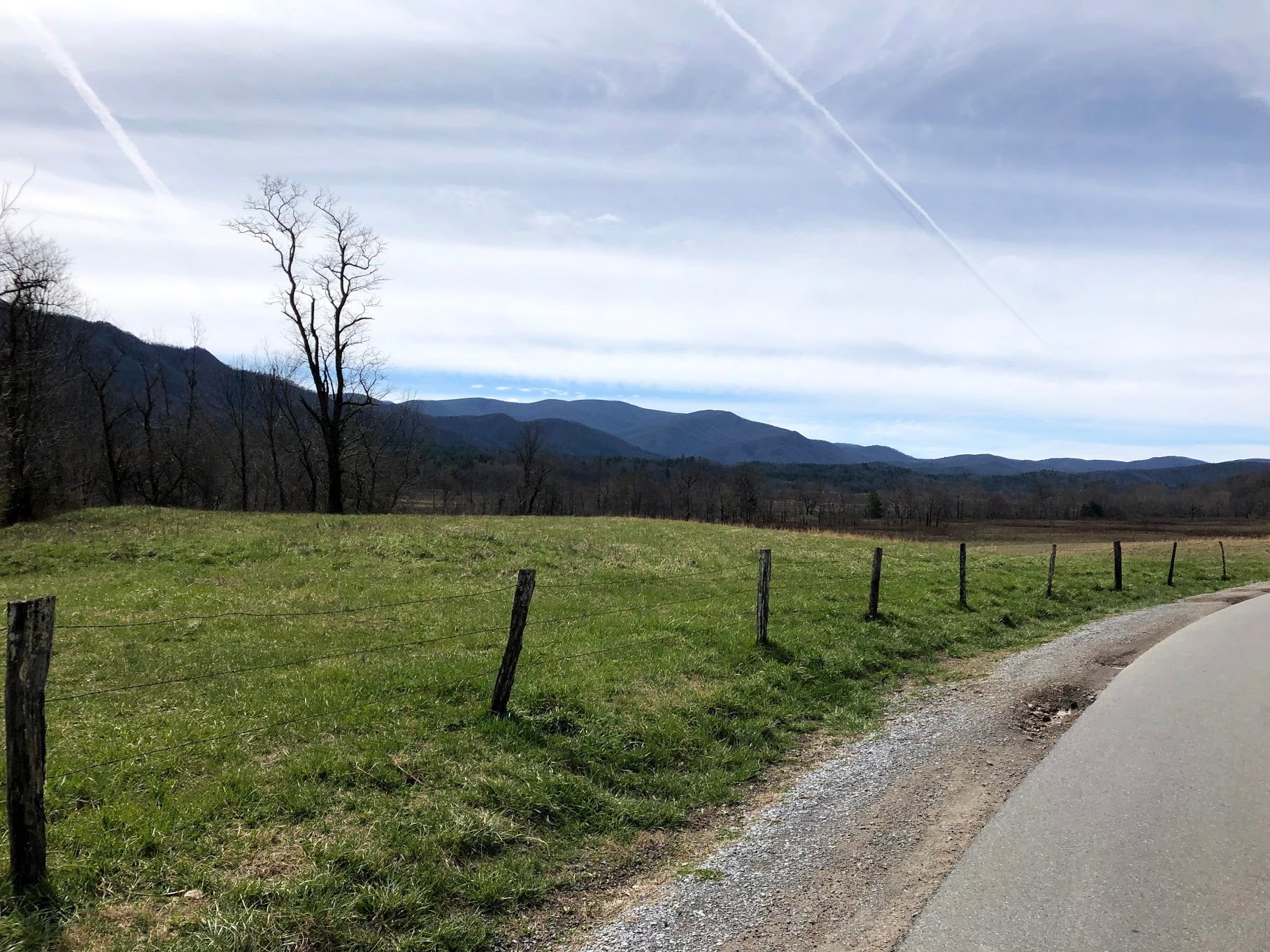
Cades Cove Campground makes the most sense when the 11-mile Cades Cove Loop is a major part of your trip. The loop provides access to historic sites, hiking trails, valley scenery, and wildlife viewing, making the area particularly useful for wildlife watchers and photographers. It is also one of the park’s main bicycling areas, with seasonal vehicle-free Wednesdays giving cyclists time on the loop without motor traffic.
The campground is open year-round and has a year-round dump station. NPS allows RVs up to 40 feet and trailers up to 35 feet, although there are no campsite hookups.
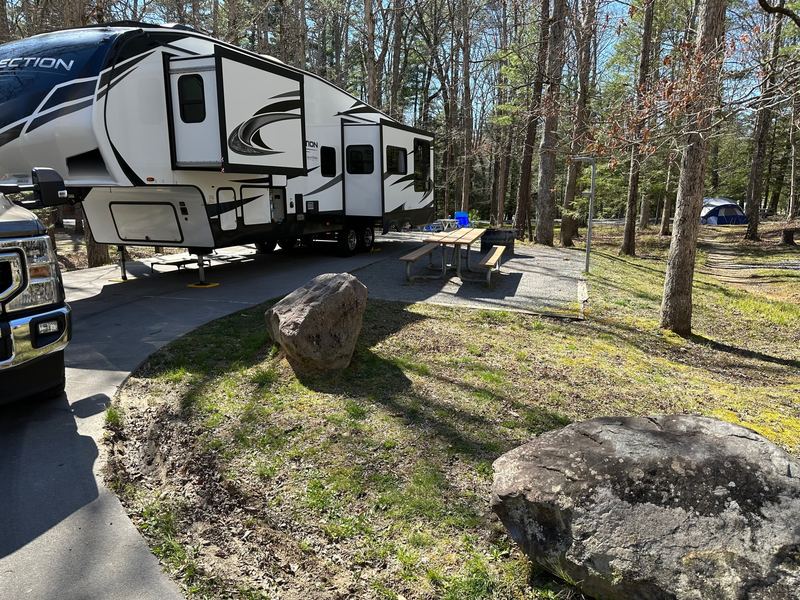
The main tradeoff is traffic. NPS warns that the loop can experience heavy traffic during summer, fall, and weekends, and a firsthand local comparison describes Cades Cove sites as generally closer together with less privacy than Elkmont. Choose Cades Cove when wildlife, biking, and time in the valley outweigh easy access to other parts of the park.
Best for Cherokee and the North Carolina side: Smokemont Campground
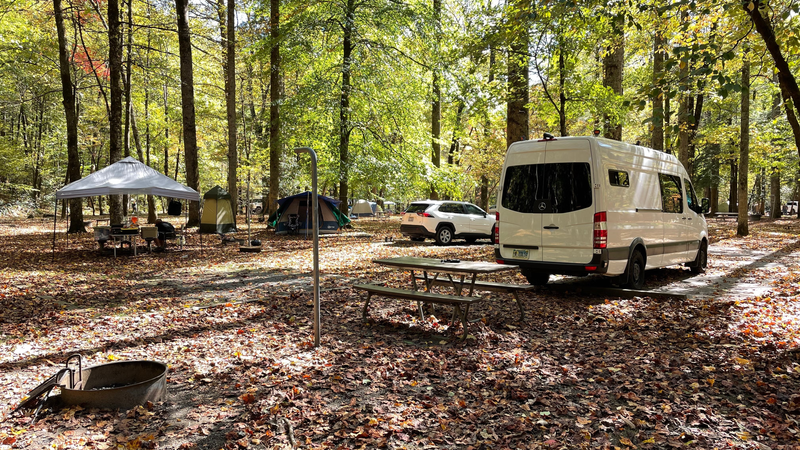
Smokemont is a practical base for exploring Cherokee, Oconaluftee, and the North Carolina side of the park. It is the closest family campground to Oconaluftee Visitor Center, while Bradley Fork and several nearby trails give campers hiking access without first driving across the park.
The campground accommodates tents and RVs, stays open year-round, and has a year-round dump station. Recent internal info lists a maximum RV length of 40 feet, though RVers should still verify the dimensions of the individual campsite they book. There are no campsite hookups.
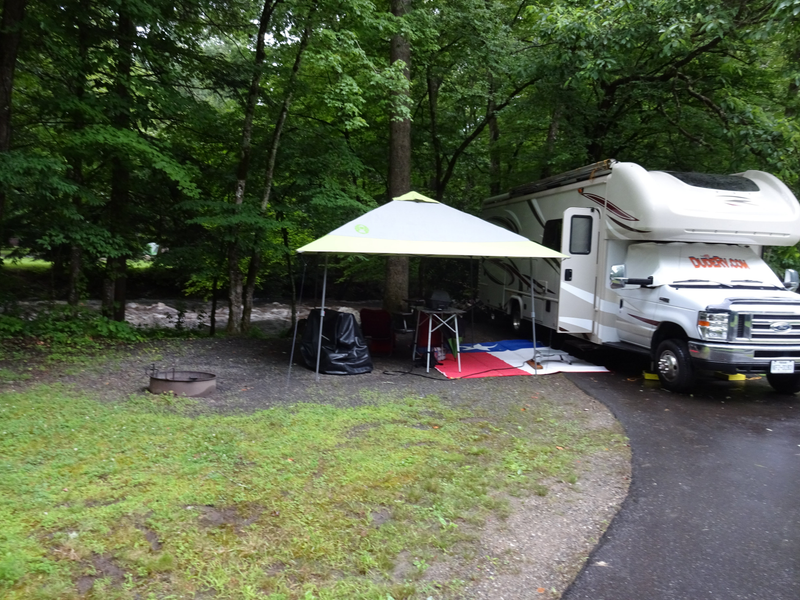
Smokemont is a strong fit for travelers spending most of their time around Cherokee, Oconaluftee, Newfound Gap, or the southern side of the park. It makes less sense if Cades Cove and the western Tennessee side dominate your itinerary.
Best for a quieter Tennessee-side stay: Cosby Campground
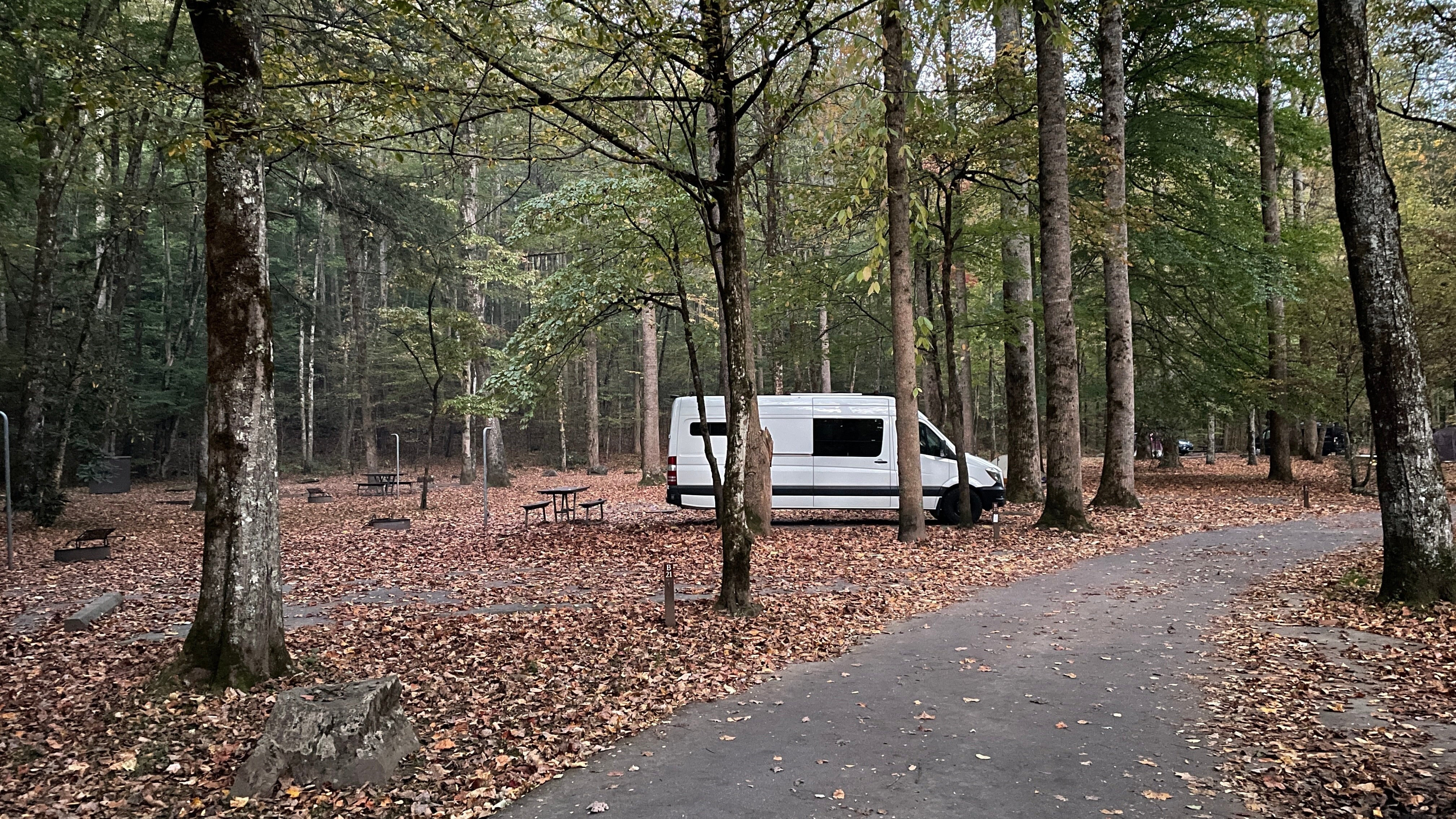
Cosby sits on the park’s less-traveled northeastern edge, away from the busiest Gatlinburg corridor. The area has access to multiple trails, including routes around Cosby Creek and toward destinations such as Hen Wallow Falls. Sugarlands Visitor Center is roughly a 45-minute drive away.
Both tent and RV camping are available, although most sites are tent sites and NPS limits RVs and trailers to 25 feet. A seasonal dump station is available, but there are no hookups.
Choose Cosby when a quieter Tennessee-side base and nearby hiking matter more than being close to Cades Cove, Gatlinburg, or the park’s central attractions. The extra driving is the main tradeoff.
Best for waterfalls and tubing: Deep Creek Campground
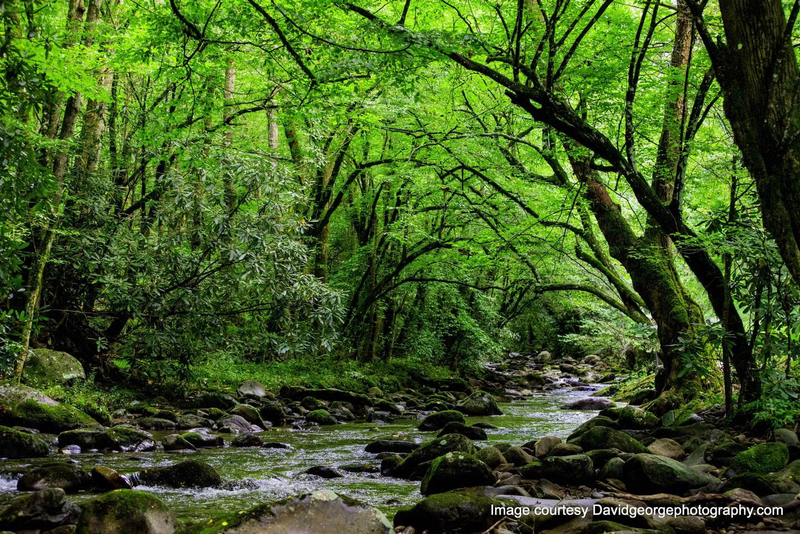
Deep Creek sits just north of Bryson City on the North Carolina side and is surrounded by streams, waterfalls, and forest trails. The area is closely associated with water recreation and has several waterfall hikes nearby. Tubing also takes place in designated portions of Deep Creek, although NPS warns about water hazards and restricts tubing above designated points.
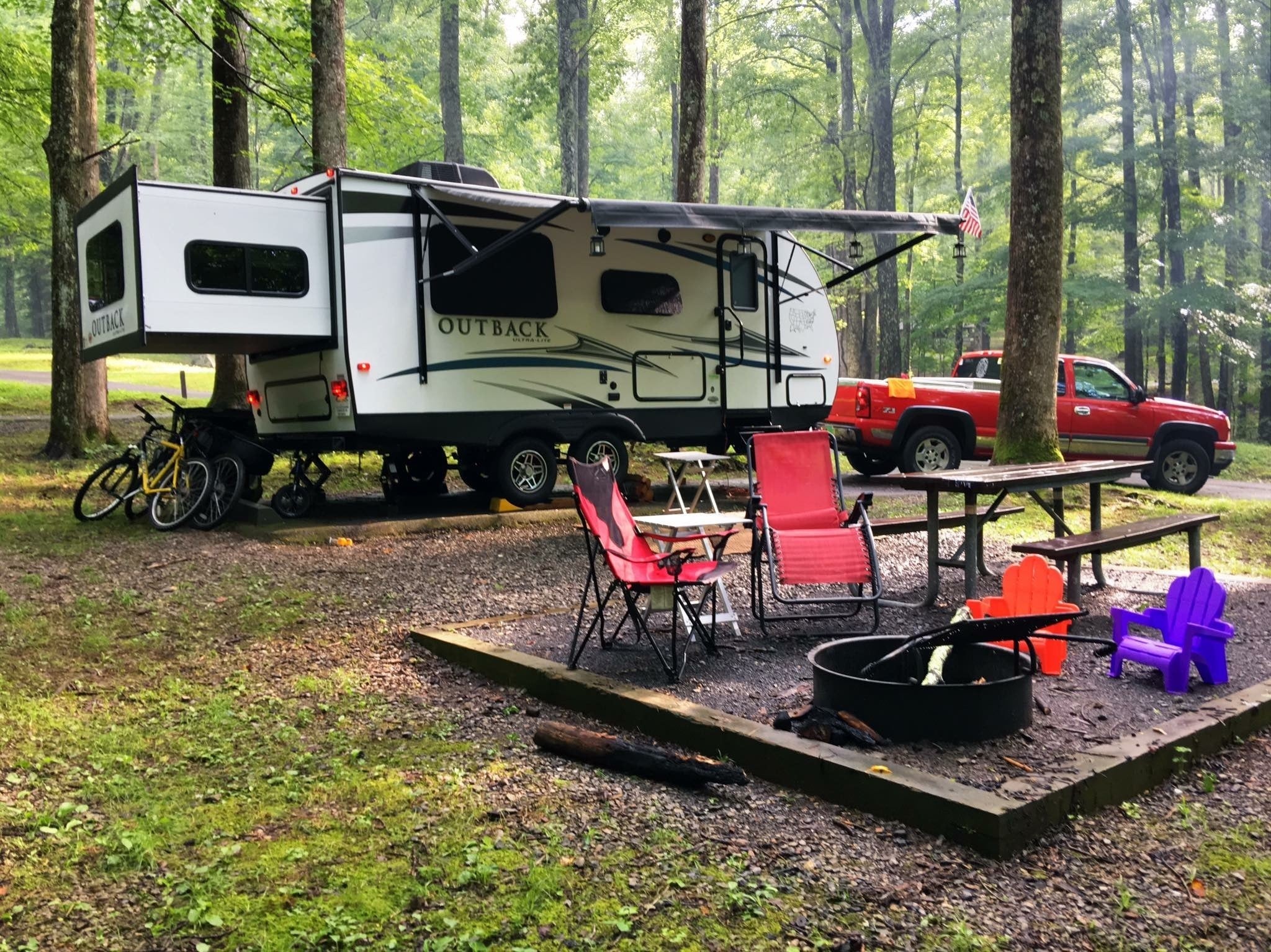
The campground has 92 sites, many geared toward tent camping, and allows RVs and trailers up to 26 feet. A seasonal dump station is available, but campsites have no hookups.
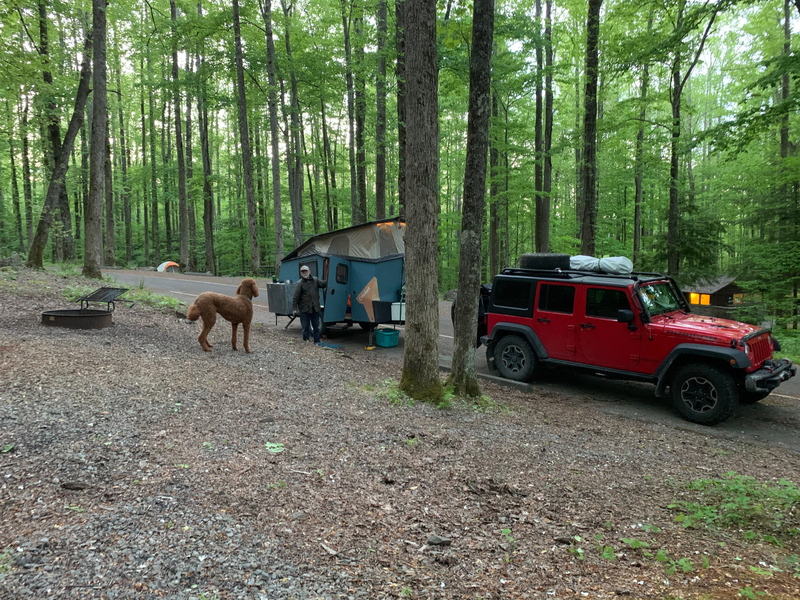
Deep Creek works best for tent campers and smaller RVs who want easy access to Bryson City, waterfalls, and the North Carolina side. The tradeoff is distance from Gatlinburg, Cades Cove, and other Tennessee-side attractions.
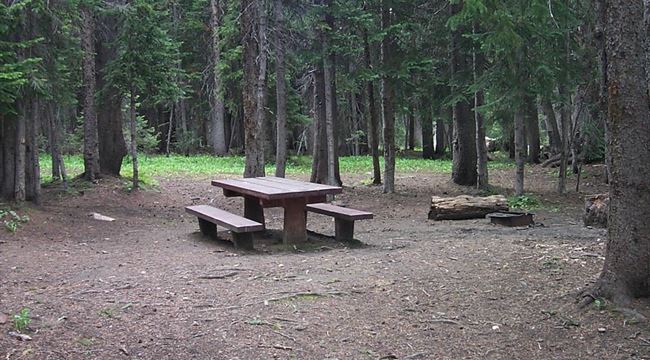
Best for seclusion and elk viewing: Cataloochee Campground
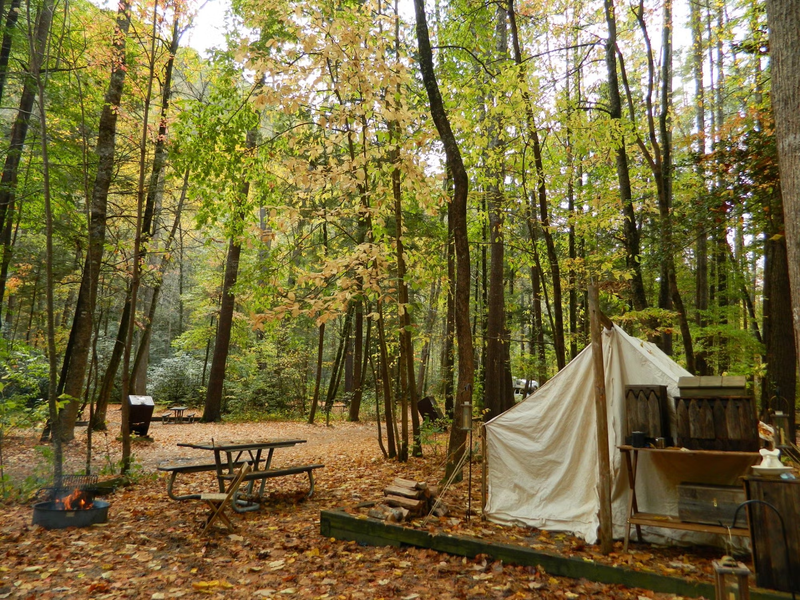
Cataloochee offers one of the more remote campground experiences in the park. The valley contains one of the Smokies’ two main elk herds, historic structures, hiking opportunities, and a small developed campground with a more secluded setting.
Access deserves serious attention before you book. The main entrance into Cataloochee includes a winding gravel section with narrow stretches, steep drop-offs, and no guardrails. Drivers may need to stop or back up to let oncoming traffic pass. NPS allows RVs and trailers up to 31 feet at the campground, but the approach can be more important than the campsite length itself.
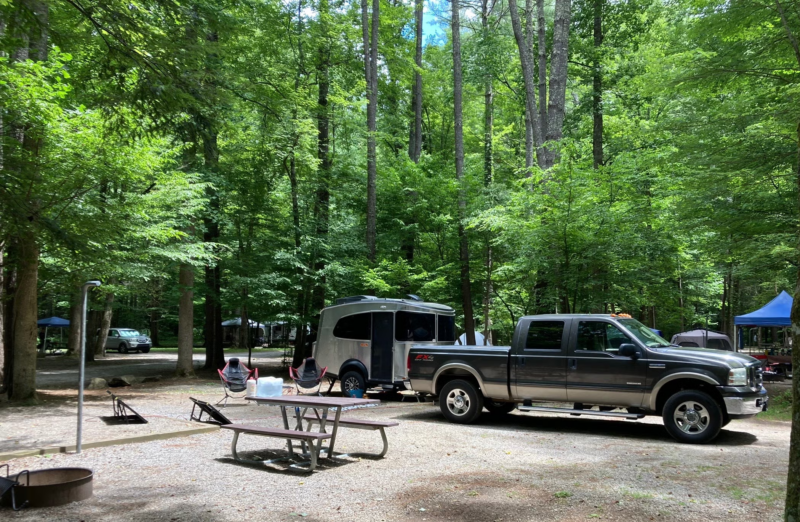
Cell coverage is also very limited. Recreation.gov recommends making reservations before entering the valley, while Campendium reviewers repeatedly mention little or no service and difficult access for larger rigs.
Cataloochee is best suited to campers who specifically want the valley, elk viewing, and a remote stay. RVers uncomfortable with narrow mountain roads, especially those towing larger trailers, should review current access conditions carefully before choosing it.
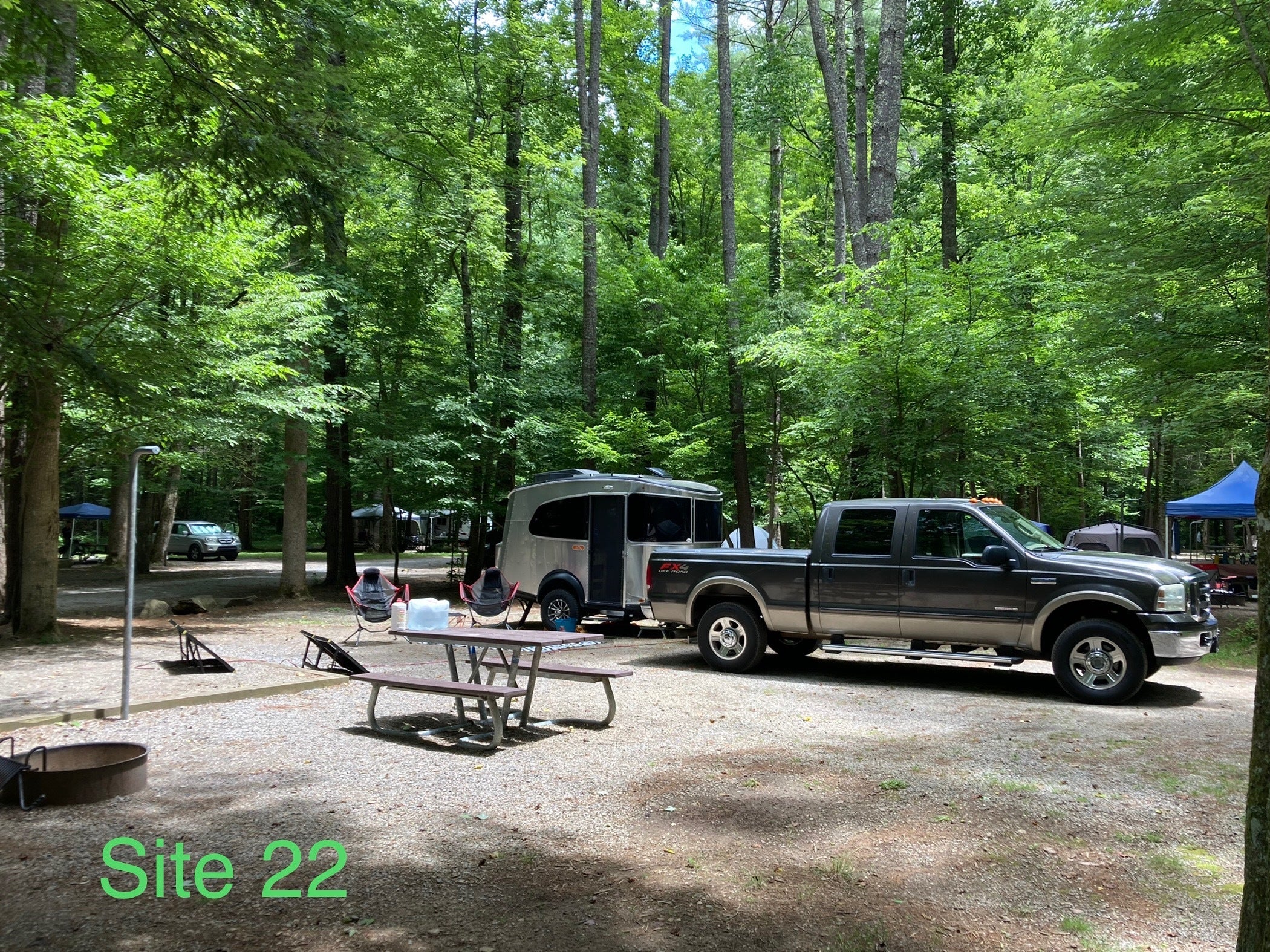
Best for RVers who want limited hookups: Look Rock Campground
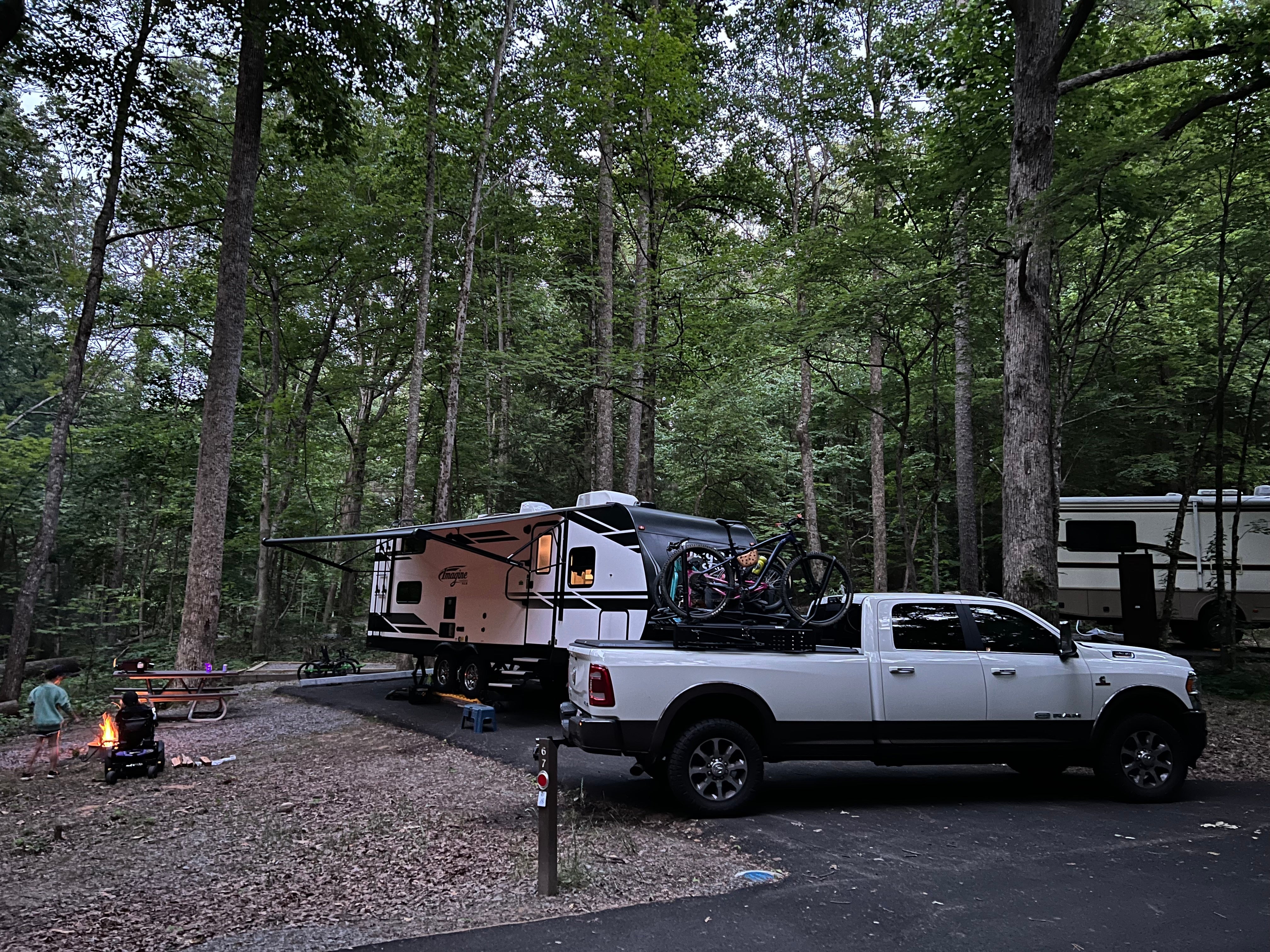
Look Rock is unusual among campgrounds inside Great Smoky Mountains National Park because 10 of its 68 sites have electric and water hookups. NPS identifies it as the park’s only campground with electric hookups, and a seasonal dump station is available.
The campground sits along Foothills Parkway West between Walland and Chilhowee Lake, giving campers easy access to the parkway and nearby mountain views. RV fit varies considerably by campsite, with NPS listing individual maximum lengths ranging from 13 to 48 feet. Some sites also have pull-through driveways.
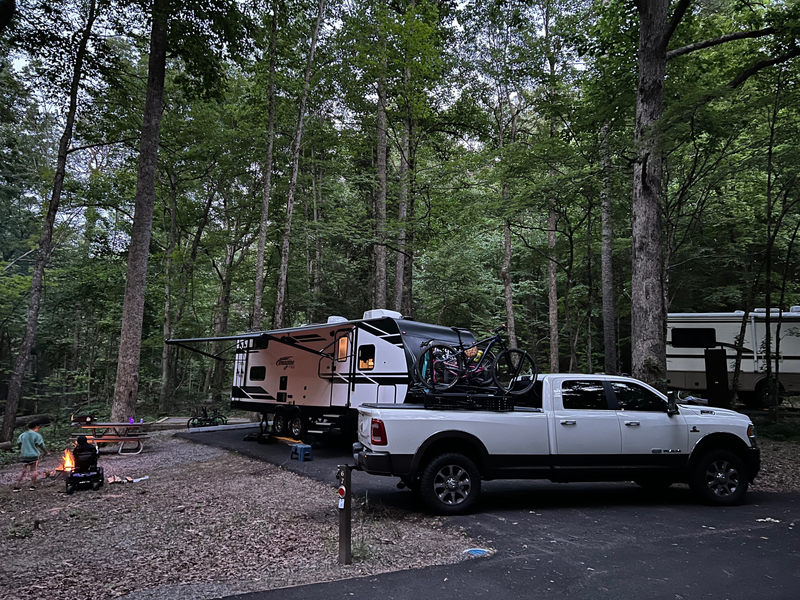
Look Rock makes sense for RVers who want to stay inside the park but need electric and water service at their campsite. Check the exact site dimensions before booking rather than relying on the campground’s longest available site.
Best for higher-elevation camping: Balsam Mountain Campground
Balsam Mountain sits at 5,310 feet, making it a very different base from the lower-elevation campgrounds. NPS notes that summer daytime temperatures rarely exceed about 70°F, so it can work well for campers seeking cooler conditions and a high-country setting.
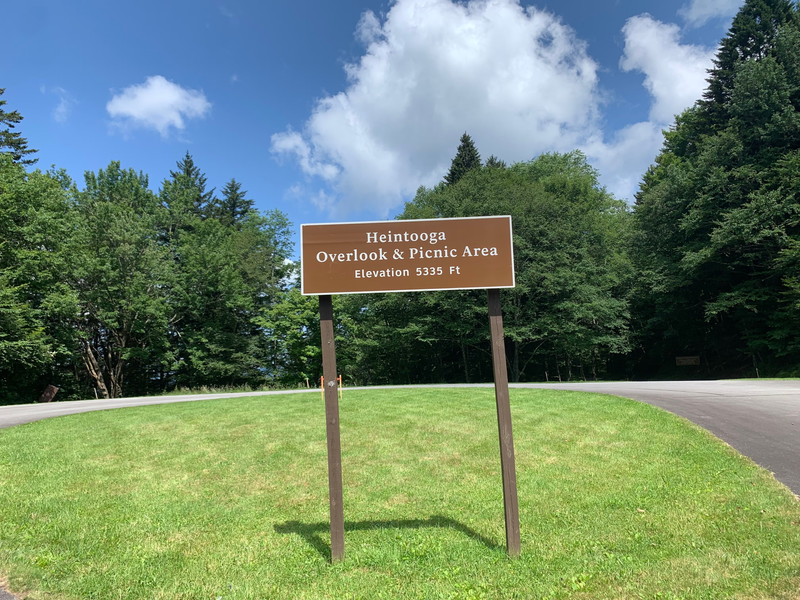
The campground has tent and RV sites but no hookups or dump station, and RVs and trailers are limited to 24 feet. Choose Balsam Mountain when elevation, cooler temperatures, and the North Carolina high country matter more than central access to the park’s busiest attractions.
Which Smoky Mountains Campground Should You Choose?
Start with the part of the park you want to explore, then narrow your choice by activities, RV needs, and how much driving you want to do.
- For your first Smokies trip: Elkmont is a practical starting point for central Tennessee-side access, nearby trails, and the Little River area.
- For wildlife and Cades Cove: Cades Cove puts you close to the loop road, wildlife viewing, biking, and historic sites.
- For Cherokee and the NC side: Smokemont works well for Oconaluftee, Cherokee, and trips centered on the North Carolina side of the park.
- For fewer crowds: Cosby offers a quieter Tennessee-side base away from the busiest Gatlinburg corridor.
- For waterfalls and tubing: Deep Creek is the better fit for Bryson City, creek access, waterfall hikes, and tubing.
- For solitude and elk: Cataloochee suits campers who want a remote valley setting and elk viewing, as long as they are comfortable with the access road.
- For an RV needing limited hookups: Look Rock is the main in-park option to check because a small number of sites have electric and water service.
- For cooler summer camping: Balsam Mountain offers a higher-elevation setting for campers who care more about cooler temperatures and mountain scenery than central access.
Reservations and Things to Know Before You Book
Before reserving a campsite in Great Smoky Mountains National Park, check the current campground information and the specific site you plan to book.
- Advance reservations are required. Frontcountry campsites must be reserved ahead of arrival through Recreation.gov.
- Cades Cove and Smokemont are open year-round. The other eight developed frontcountry campgrounds operate seasonally, so check current NPS information before planning your stay.
- Check the dimensions of your individual RV site. Campground maximums do not mean every campsite can accommodate a rig of that length.
- There are no showers inside the park campgrounds. Restrooms have cold running water and flush toilets.
- Check current road and campground conditions before arrival. Closures, weather, and access conditions can affect your route or campground plans.
- Your campsite does not require a parking tag while you are parked there. If you leave the campground and park elsewhere in Great Smoky Mountains National Park, a valid parking tag is required.
Check the NPS frontcountry camping page for current campground availability, rules, and seasonal operating information.
Frequently Asked Questions
There is no single most scenic campground for every visitor. Elkmont is a good choice for wooded campsites and Little River scenery, Cades Cove puts you close to open valley views and wildlife, and Cataloochee offers a more remote historic-valley setting. The better choice depends on the scenery you want outside your campsite.
Elkmont is a practical default for many first-time visitors because of its central Tennessee-side location, nearby trails, Little River setting, and access toward Gatlinburg and Sugarlands. Your itinerary still matters. Choose Cades Cove if wildlife is the focus, or Smokemont if most of your trip is on the North Carolina side.
It depends on what your RV needs. Cades Cove and Smokemont are useful options for RVers who want established access and nearby dump stations. Look Rock deserves special consideration if campsite utilities matter because a limited number of sites have electric and water service. Always check the dimensions of the individual site before booking.
Cosby, Cataloochee, and Balsam Mountain are worth comparing for a quieter stay. Cosby keeps you away from the busiest Gatlinburg corridor, Cataloochee offers a more remote valley setting, and Balsam Mountain trades central access for a smaller, higher-elevation campground experience. Access and RV needs may narrow the choice further.
Choose based on the part of the park you plan to explore. Gatlinburg works well for central Tennessee-side access, Townsend puts you closer to Cades Cove and the quieter western side, Cherokee is convenient for Smokemont and the North Carolina entrance, and Bryson City is the natural base for Deep Creek. From there, compare nearby campgrounds based on your activities and camping setup.
Find Your Smoky Mountains Campground with Campendium
The best Smoky Mountains campground depends on your route, rig, and what you want to do once you arrive. Compare Great Smoky Mountains campgrounds on Campendium to check recent camper reviews, photos, RV details, cell coverage, access notes, and nearby options on the map before you book.
Explore Great Smoky Mountains campgrounds on Campendium and use campground cards and the map to compare your top choices and nearby alternatives.


