Yellowstone National Park has 12 frontcountry campgrounds, and each offers a different experience. Some are better for RVs with larger rigs, some put you closer to wildlife viewing or major attractions, and others are a better fit if you want a quieter stay. Choosing the right campsite in Yellowstone can make a big difference in how much time you spend exploring instead of driving.
Reservations are highly competitive, especially during the busy summer season, and campgrounds use different reservation systems depending on who manages them. This guide compares Yellowstone’s campgrounds by location, camping style, RV suitability, amenities, and nearby highlights so you can decide which one best fits your trip before you book.
TL;DR
- Madison Campground is one of the best all-around choices for first-time visitors thanks to its central location near Old Faithful, the Grand Canyon of the Yellowstone, and other major attractions.
- Fishing Bridge RV Park is the only campground in Yellowstone with full hookups, making it a top pick for many RV travelers who want water, sewer, and electrical connections.
- If your first-choice campground is booked, nearby national forests and gateway towns offer additional camping options that can still keep you close to the park.
Yellowstone Campgrounds at a Glance
Yellowstone’s 12 frontcountry campgrounds each have their own strengths. Use this quick comparison to narrow your options based on your itinerary, camping style, RV needs, and the attractions you want to spend the most time exploring.
| Campground | Best For | RV Friendly | Hookups | Reservations | Nearby Highlights |
|---|---|---|---|---|---|
| Madison | First-time visitors | Yes | No | Yes | Old Faithful, Midway Geyser Basin, West Entrance |
| Canyon | Central park access | Yes | No | Yes | Grand Canyon of the Yellowstone, Hayden Valley |
| Bridge Bay | Yellowstone Lake | Yes | No | Yes | Yellowstone Lake, marina, fishing |
| Fishing Bridge RV Park | Full-hookup RV camping | Yes | Full hookups | Yes | Yellowstone Lake, Hayden Valley |
| Grant Village | South Yellowstone | Yes | No | Yes | West Thumb Geyser Basin, Yellowstone Lake, South Entrance |
| Mammoth | Northern Yellowstone | Yes | No | Yes | Mammoth Hot Springs, North Entrance |
| Norris | Geyser basins | Yes | No | Yes | Norris Geyser Basin, central park access |
| Slough Creek | Wildlife watching | Limited | No | Yes | Lamar Valley, fishing, wolf and bison viewing |
| Pebble Creek | Quieter camping | Limited | No | Yes | Lamar Valley, Beartooth Highway |
| Tower Fall* | Northeast attractions | Limited | No | Check status | Tower Fall, Lamar Valley |
| Indian Creek | Smaller campground | Yes | No | Yes | Norris Geyser Basin, Mammoth Hot Springs |
| Lewis Lake | Fishing and boating | Yes | No | Yes | Lewis Lake, South Entrance, Grand Teton route |
*Tower Fall Campground has been closed for redevelopment in recent seasons. Check the National Park Service for its current operating status before planning your trip.
How to Choose a Campground in Yellowstone
The best campground depends more on how you plan to explore the park. Choosing a campground that matches your itinerary and camping style can save hours of driving and make it easier to appreciate Yellowstone more.
Choose by itinerary
One of the easiest ways to narrow your options is by looking at the attractions you plan to visit most. Yellowstone is enormous, and driving across the park can take much longer than it looks on a map.
- Old Faithful and the Upper Geyser Basin: Madison Campground puts you within easy reach of Old Faithful, Grand Prismatic Spring, and several of the park’s most popular geothermal areas. Grant Village is another good choice if you’re approaching from the South Entrance.
- Grand Canyon of the Yellowstone: Canyon Campground is the closest option for exploring Yellowstone’s famous waterfalls and overlooks. Its central location also makes it a convenient base for visiting multiple regions of the park.
- Lamar Valley: Slough Creek and Pebble Creek are the closest campgrounds for wildlife viewing in the park’s northeast corner, where visitors often come to look for wolves, bison, bears, and pronghorn, especially around sunrise and sunset.
- Yellowstone Lake: Bridge Bay, Fishing Bridge RV Park, and Grant Village all provide convenient access to Yellowstone Lake for boating, fishing, scenic drives, and lakeside viewpoints.
- Mammoth Hot Springs: Mammoth Campground is the best choice if you’re exploring the park’s northern entrance, Mammoth Hot Springs, and nearby hiking trails, while also offering one of the longest camping seasons in Yellowstone.
Choose by camping style
The “best” campground often depends on how you camp. Whether you’re traveling in a large RV, pitching a tent, hoping to spot wildlife, or squeezing Yellowstone into a long road trip, some campgrounds are a better fit than others.
- RV camping: Fishing Bridge RV Park is the clear choice if you need full hookups. For dry camping, Madison, Canyon, Bridge Bay, and Grant Village can accommodate many RVs, though site sizes vary.
- Family trips: Madison and Canyon are popular with families thanks to their central locations, nearby visitor services, and convenient access to many of Yellowstone’s biggest attractions.
- Wildlife viewing: Slough Creek and Pebble Creek are favorites for campers hoping to spend time in Lamar Valley, one of the park’s best areas for spotting wolves, bison, elk, and other wildlife.
- First-time visitors: Madison is one of the easiest campgrounds to recommend because it sits close to many of Yellowstone’s most popular sights, making it easier to cover a lot of the park without changing campgrounds.
- Shorter stays: If you’re only spending a night or two in the park, choose a campground near the entrance or attractions you’ll visit most. Mammoth works well for the North Entrance, Grant Village for the South Entrance, and Madison offers convenient access to many of Yellowstone’s signature geothermal features.
Choose by reservation difficulty
Some Yellowstone campgrounds are much harder to book than others, especially for summer trips. If your travel dates are flexible, knowing which campgrounds fill first can help you build a backup plan before reservations disappear.
Madison, Canyon, and Fishing Bridge RV Park are typically among the most competitive campgrounds because of their central locations, amenities, and popularity with first-time visitors and RV travelers.
Bridge Bay and Grant Village also see high demand during peak season, while smaller campgrounds such as Indian Creek, Lewis Lake, Pebble Creek, and Slough Creek may offer more availability, though they have fewer campsites to begin with.
If your preferred campground is already full, don’t assume your trip is out of luck. Cancellations happen regularly, particularly as travel dates get closer. Campendium RV PRO members can set a CAMPalert to be notified if a campsite becomes available, making it easier to book an opening without repeatedly checking reservation websites yourself.
The Best Yellowstone Campgrounds
Yellowstone’s frontcountry campgrounds each offer something different, from full-hookup RV sites to quieter campgrounds near wildlife habitat. These summaries can help you compare what each campground is best known for before diving into reservation details.
Madison Campground
Best for: First-time visitors
Madison’s central location makes it easy to reach Old Faithful, Grand Prismatic Spring, and other major geothermal attractions. It welcomes both RVs and tents but does not offer hookups.
Tradeoff: One of the park’s most competitive campgrounds for reservations.
Canyon Campground
Best for: Exploring Yellowstone’s central attractions
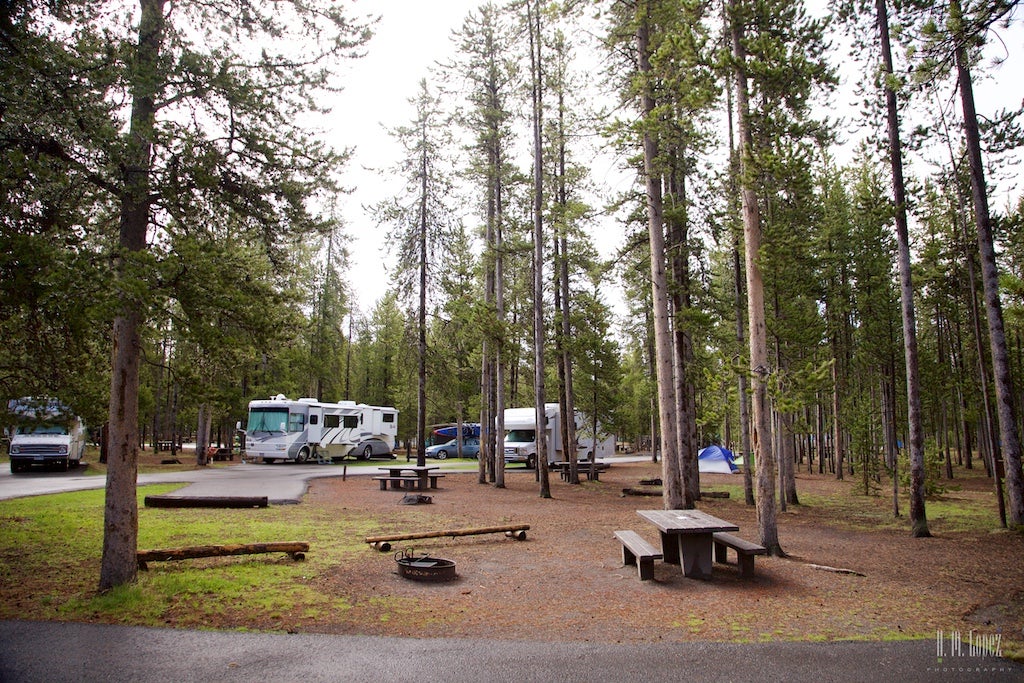
Canyon is close to the Grand Canyon of the Yellowstone, Hayden Valley, and several scenic drives. It accommodates tents and RVs without hookups.
Tradeoff: Summer reservations fill quickly.
Bridge Bay Campground
Best for: Yellowstone Lake access
Bridge Bay is a good choice for boating, fishing, and exploring the lake area. It accommodates both tents and RVs but has no hookups.
Tradeoff: Farther from Old Faithful than Madison or Canyon.
Fishing Bridge RV Park
Best for: Full-hookup RV camping
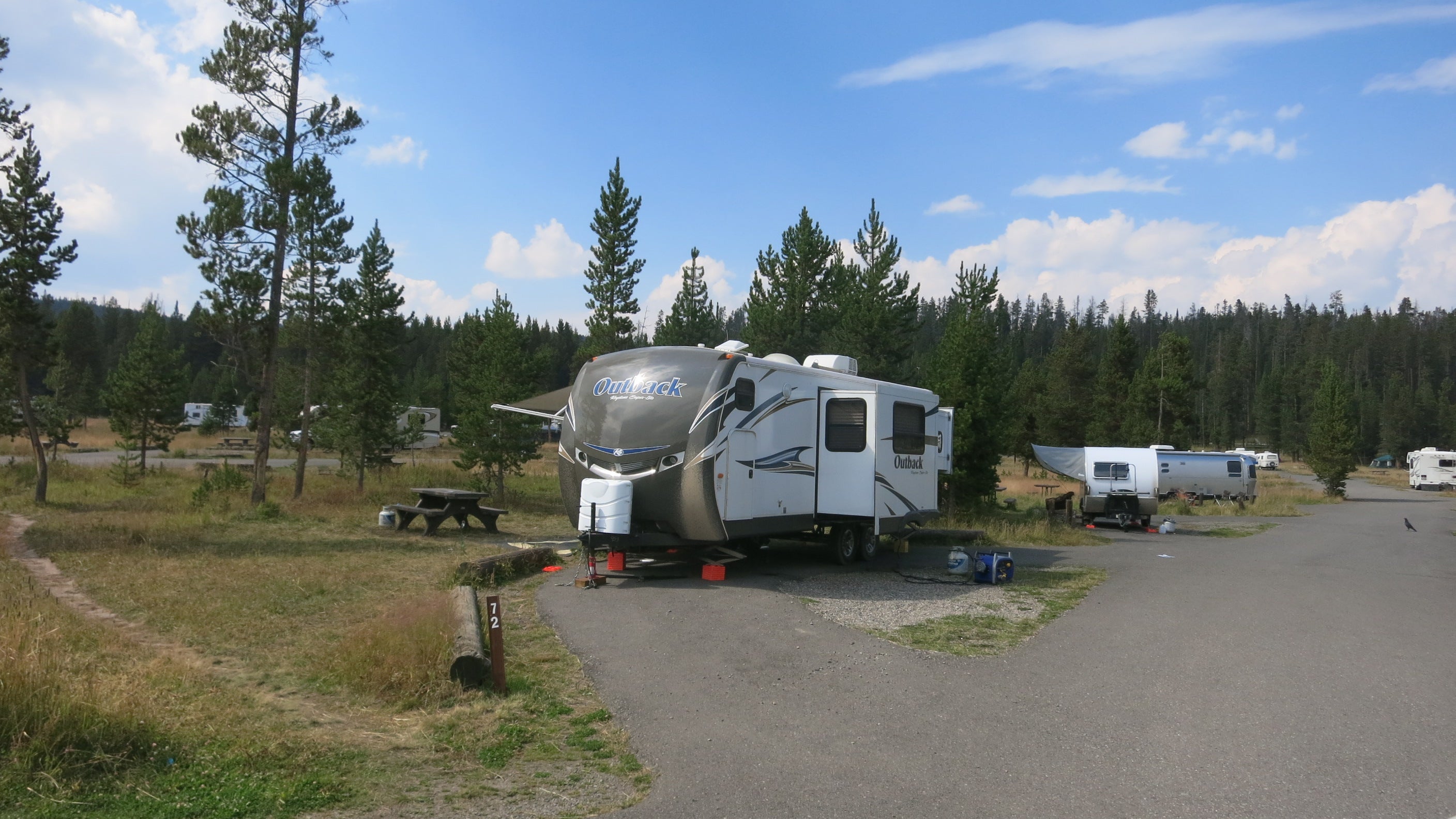
Fishing Bridge is Yellowstone’s only campground with full hookups and is reserved for hard-sided RVs. It’s a popular choice for longer RV stays near Yellowstone Lake.
Tradeoff: One of the hardest campgrounds to reserve.
Grant Village Campground
Best for: Exploring southern Yellowstone
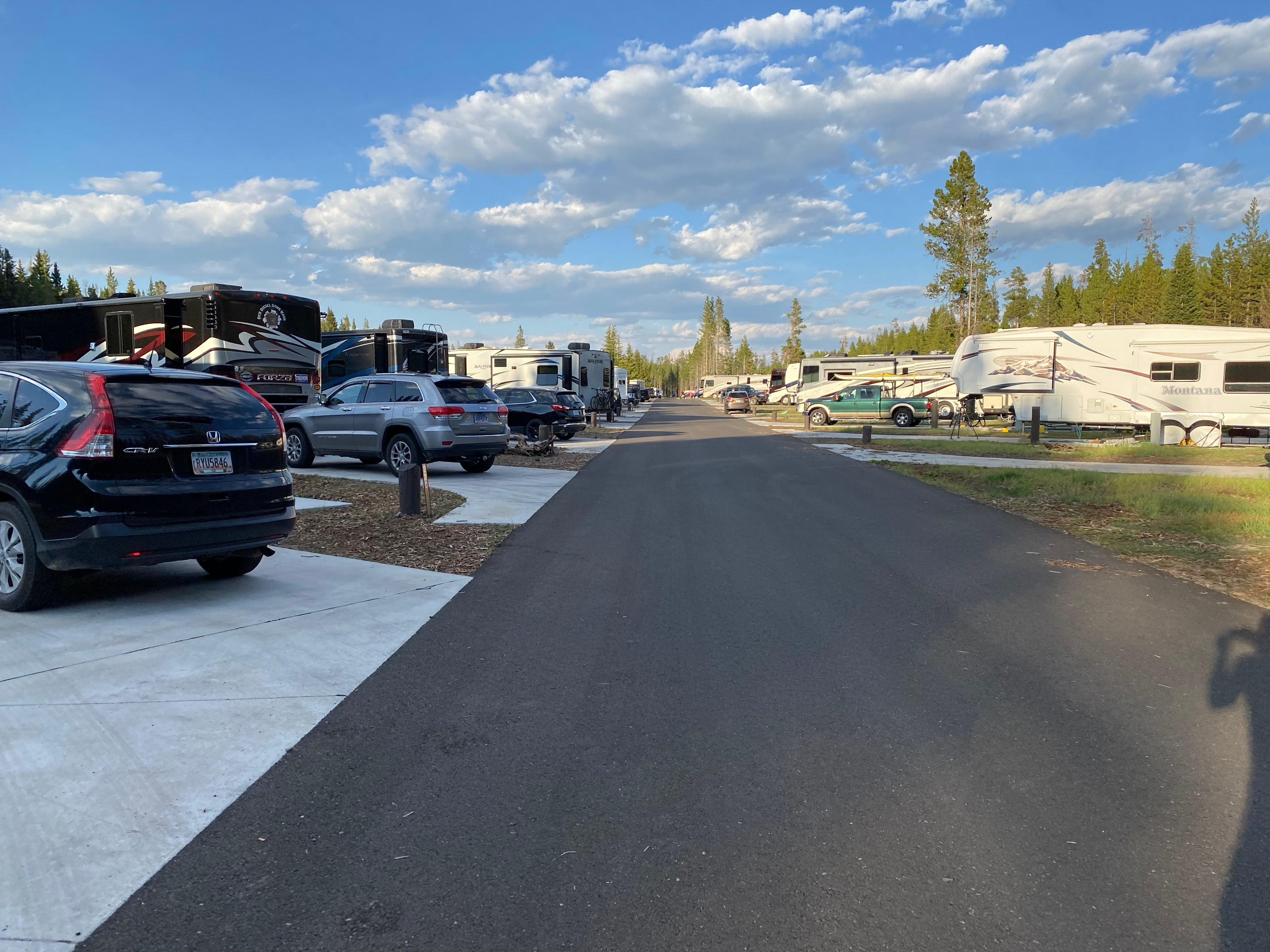
Grant Village offers convenient access to Yellowstone Lake, West Thumb Geyser Basin, and the South Entrance. It accommodates both RVs and tents but does not have hookups.
Tradeoff: Attractions in the northern half of the park require longer drives.
Mammoth Campground
Best for: North Entrance access
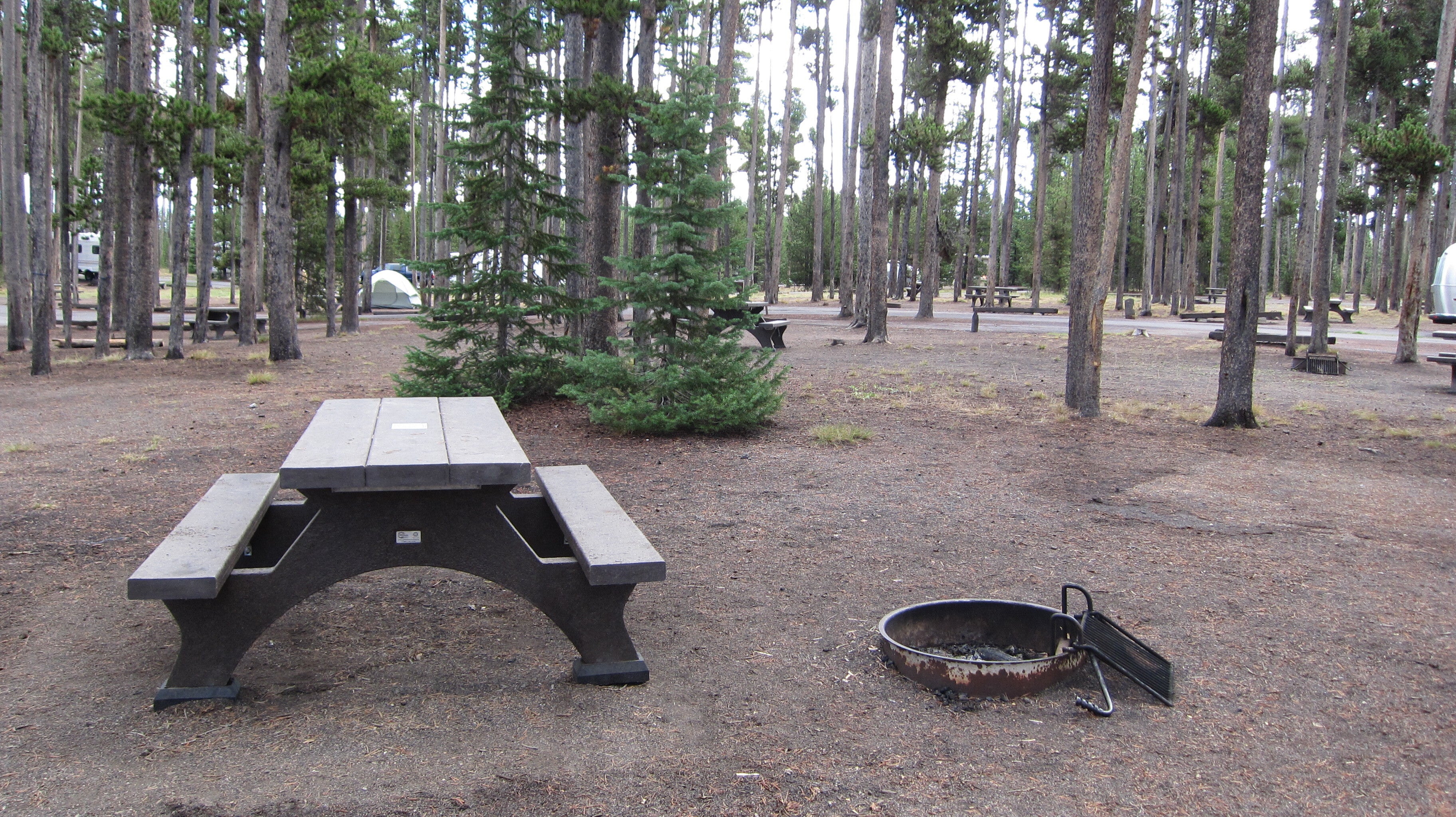
Mammoth is the only campground open year-round, making it a popular choice for spring, fall, and winter visits. It welcomes both RVs and tents but does not offer hookups.
Tradeoff: It’s farther from Old Faithful and Yellowstone Lake than the park’s central
Norris Campground
Best for: Geyser basin access
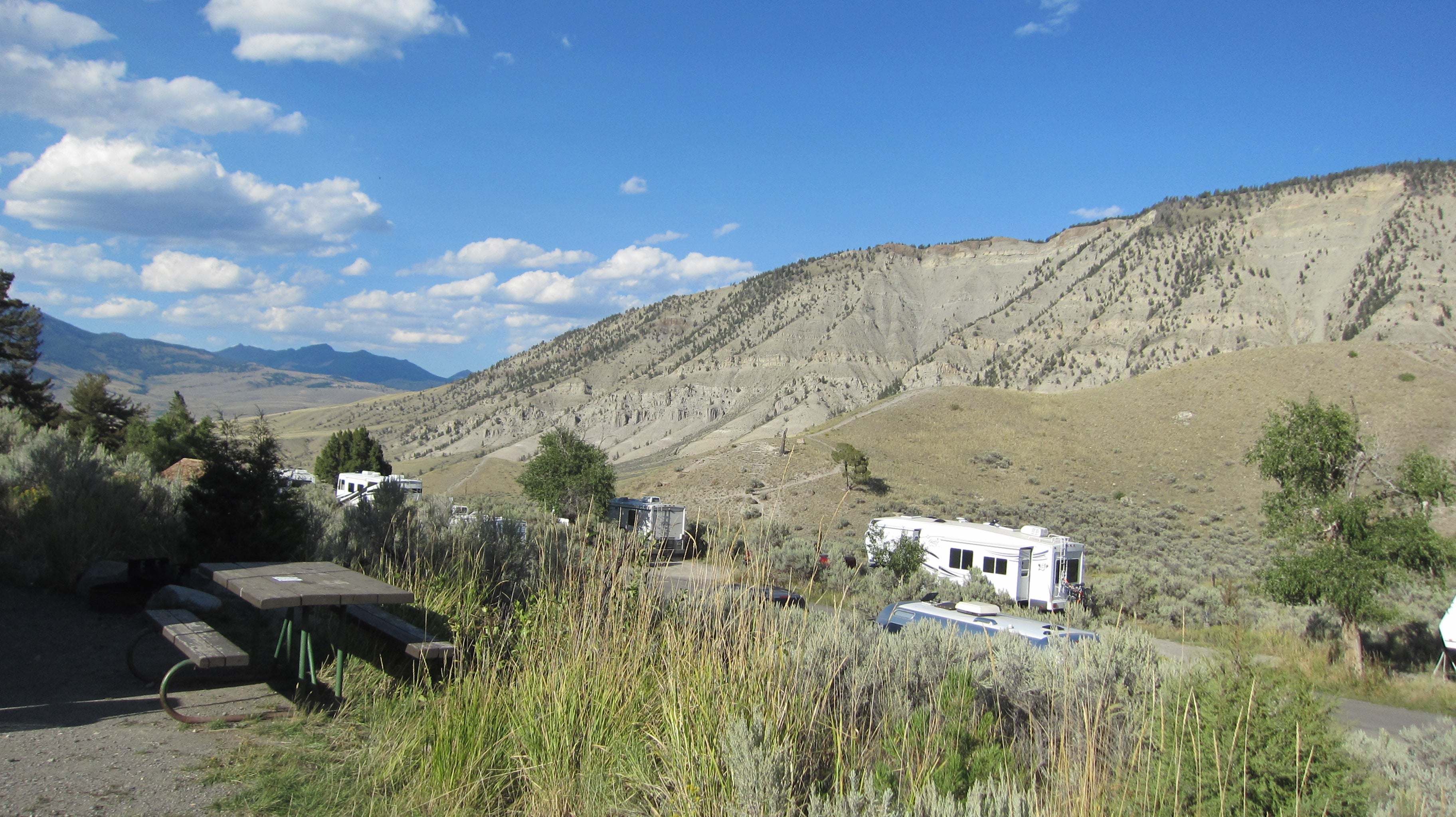
Norris is one of Yellowstone’s smaller campgrounds, with easy access to Norris Geyser Basin and a central location for exploring the park. It accommodates tents and many RVs without hookups.
Tradeoff: Fewer campsites mean reservations can disappear quickly.
Slough Creek Campground
Best for: Wildlife viewing
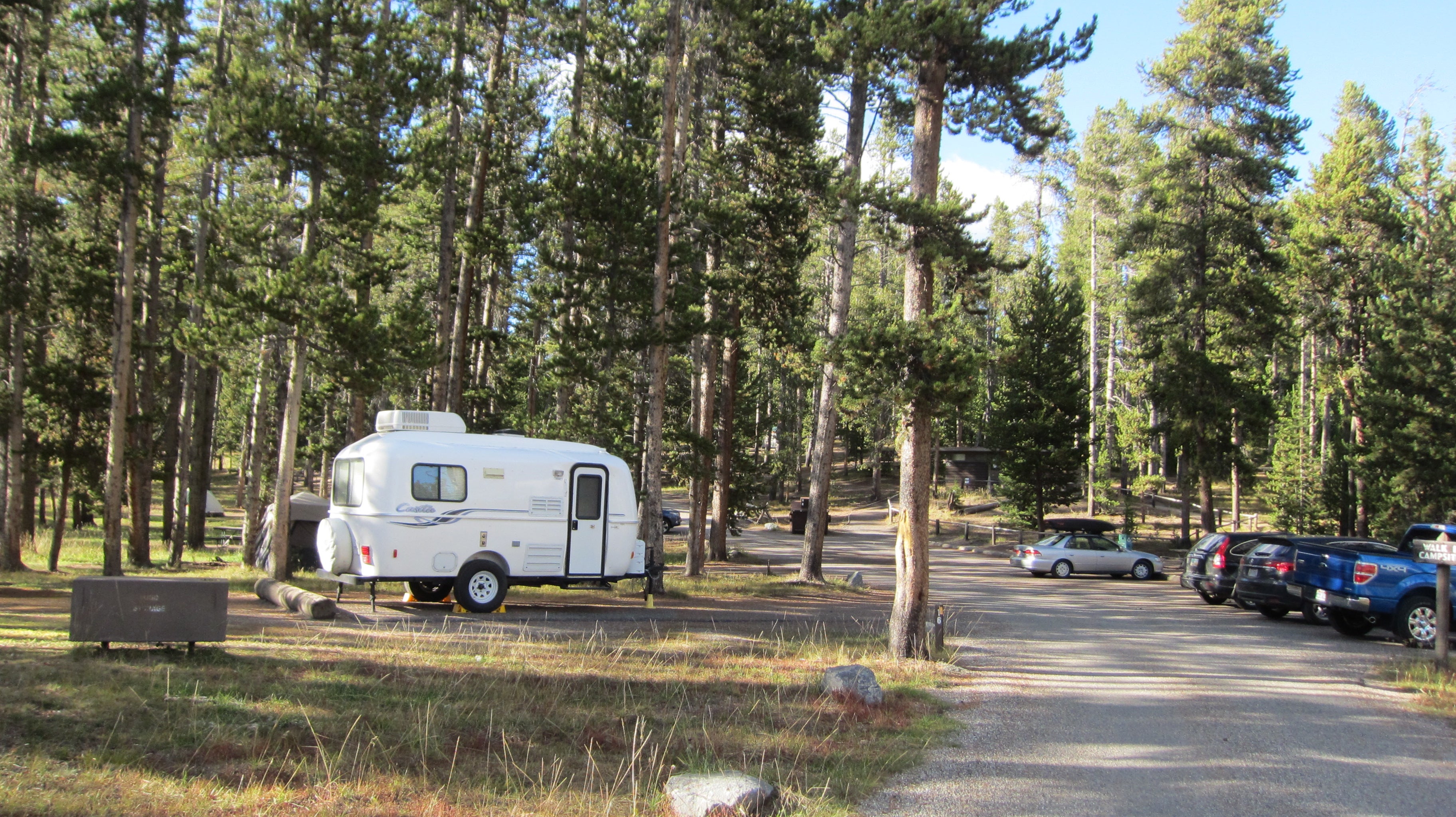
Slough Creek is a favorite for campers hoping to spend time in nearby Lamar Valley, one of Yellowstone’s best places to spot wolves, bison, and other wildlife. It accommodates tents and smaller RVs but has no hookups.
Tradeoff: Its remote location means longer drives to Yellowstone’s geyser basins and visitor centers.
Pebble Creek Campground
Best for: Quieter camping
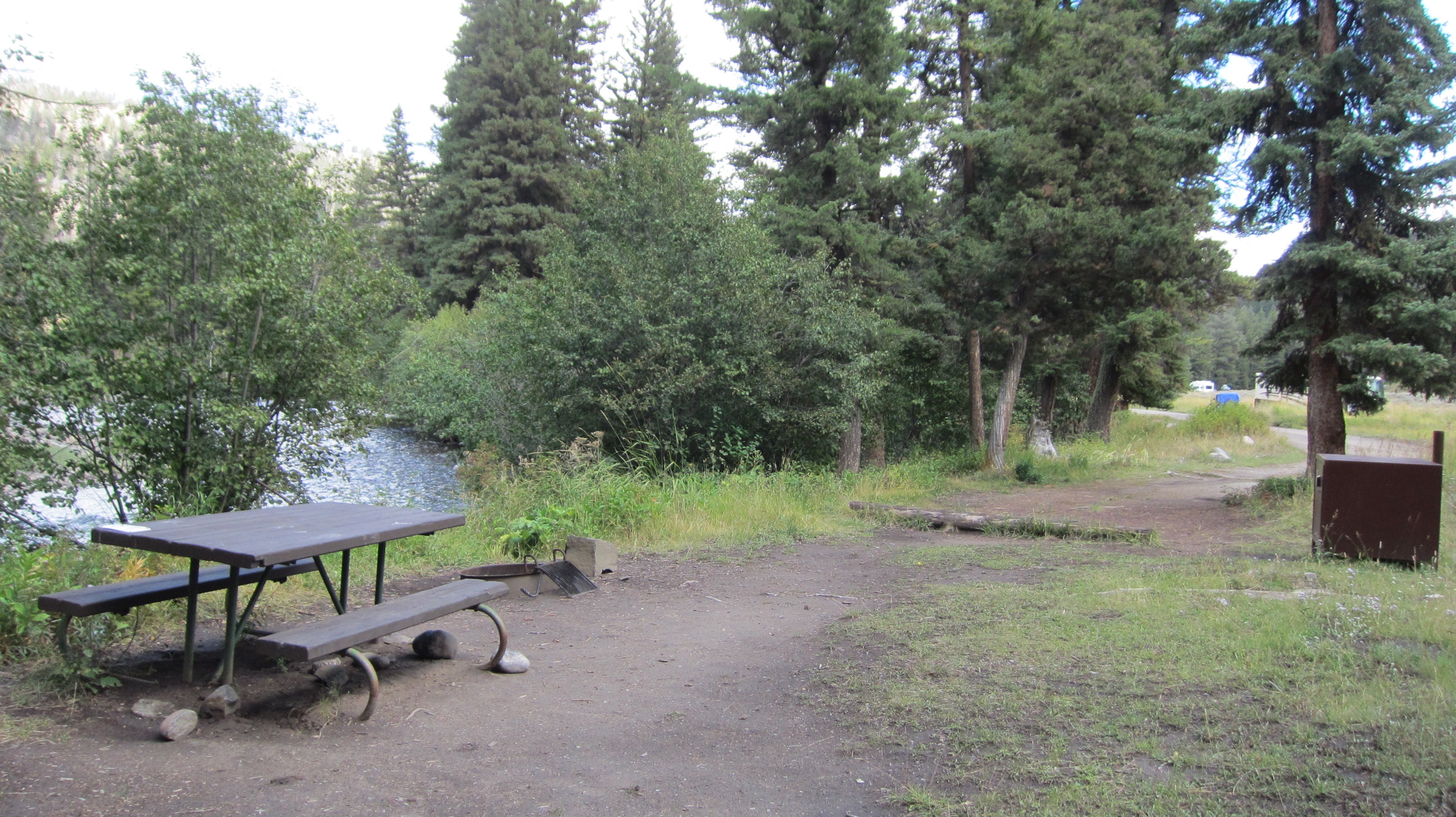
Pebble Creek offers a more peaceful setting near the northeastern corner of the park, with convenient access to Lamar Valley and the Beartooth Highway. It accommodates tents and smaller RVs but does not have hookups.
Tradeoff: Limited services and a longer drive to Yellowstone’s geothermal attractions.
Tower Fall Campground*
Best for: Exploring the northeast (when open)
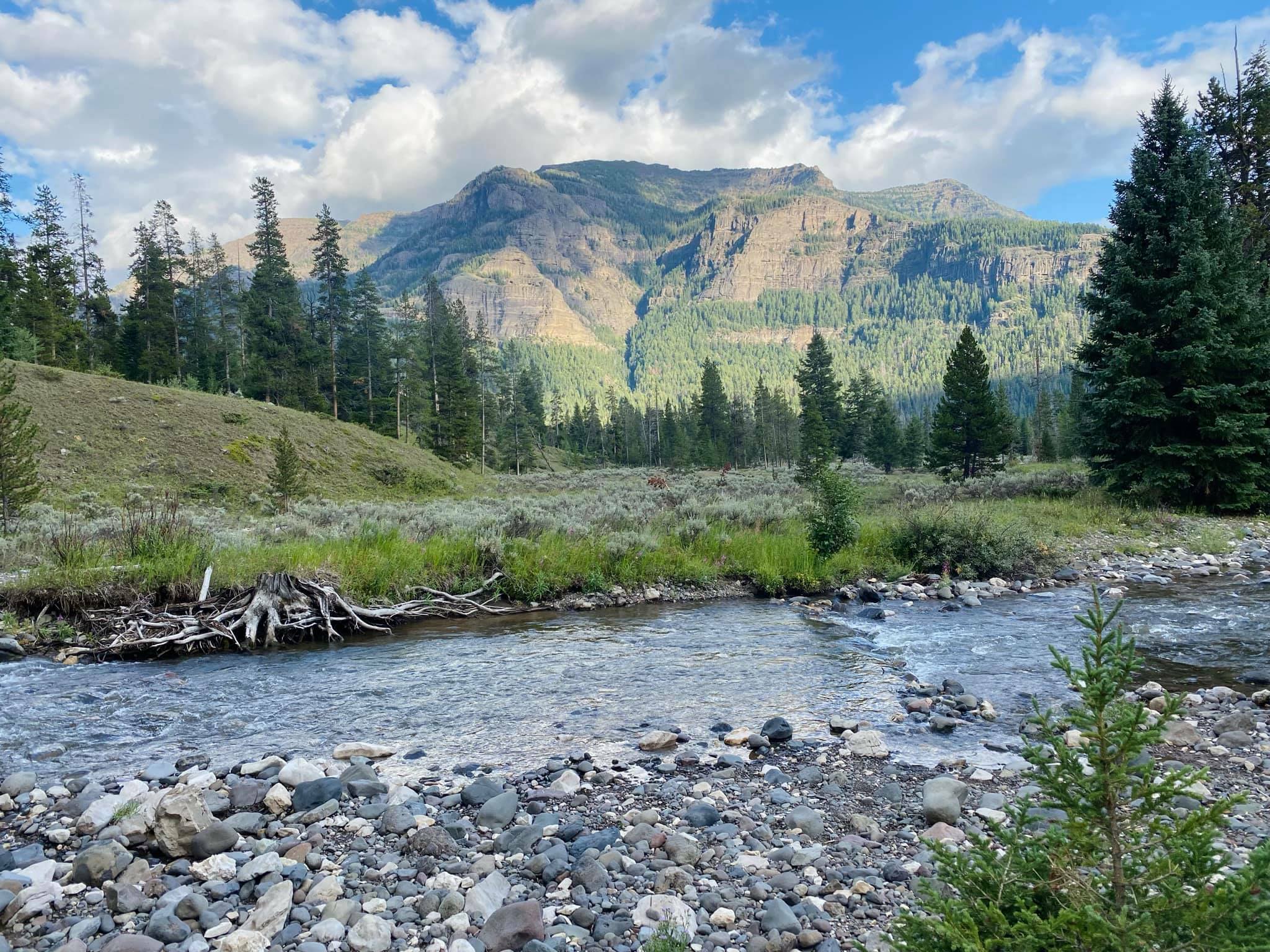
Tower Fall provides access to Tower Fall, Lamar Valley, and scenic drives through the park’s northeast. It accommodates tents and smaller RVs but does not offer hookups.
Tradeoff: Check its operating status before planning, as the campground has been closed for redevelopment in recent seasons.
Indian Creek Campground
Best for: Smaller, quieter campground
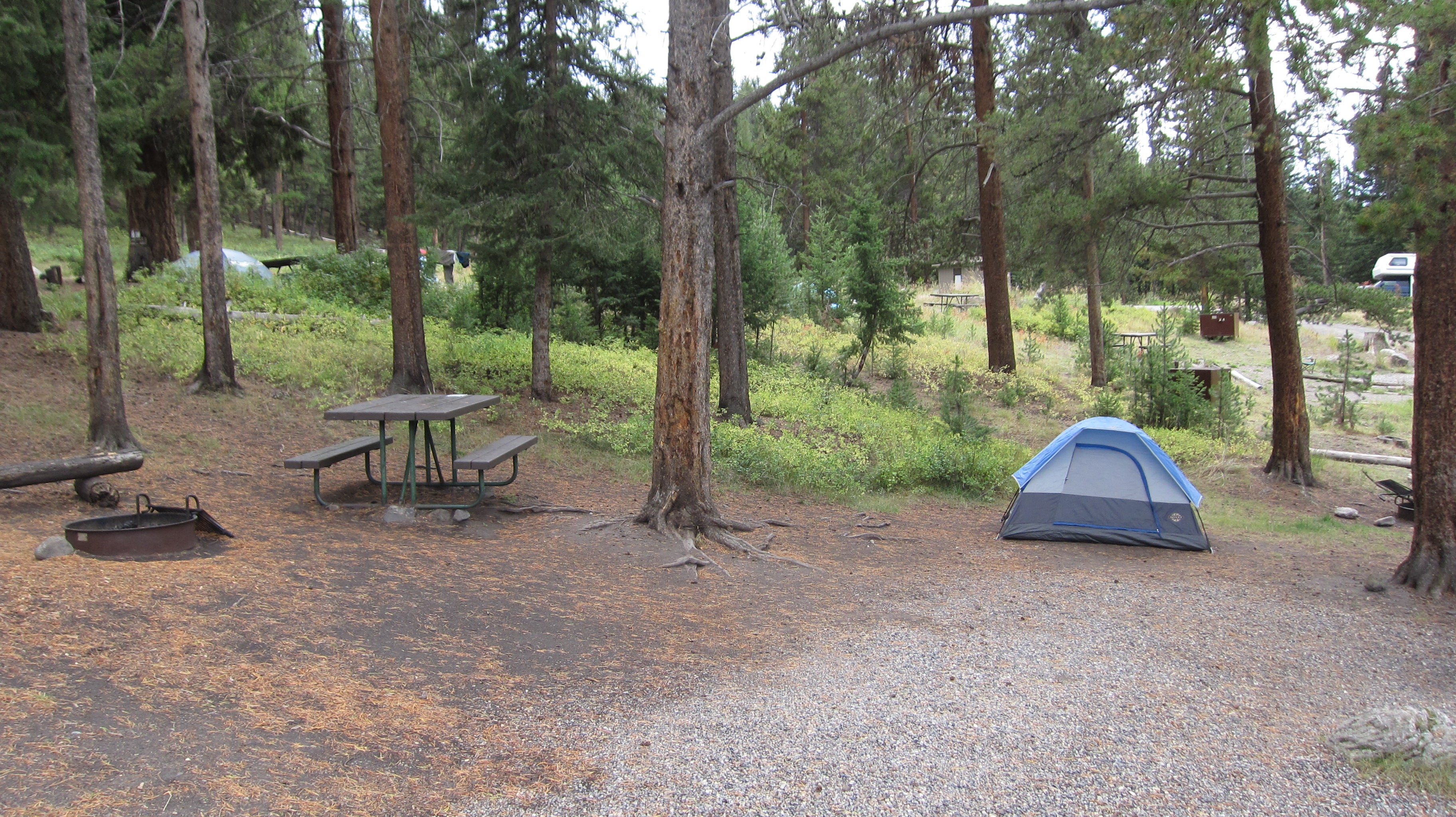
Indian Creek is a good choice if you prefer a less crowded campground while staying within reach of Norris Geyser Basin and Mammoth Hot Springs. It accommodates tents and many RVs without hookups.
Tradeoff: Fewer campsites mean reservations can fill faster than you might expect.
Lewis Lake Campground
Best for: South Entrance access
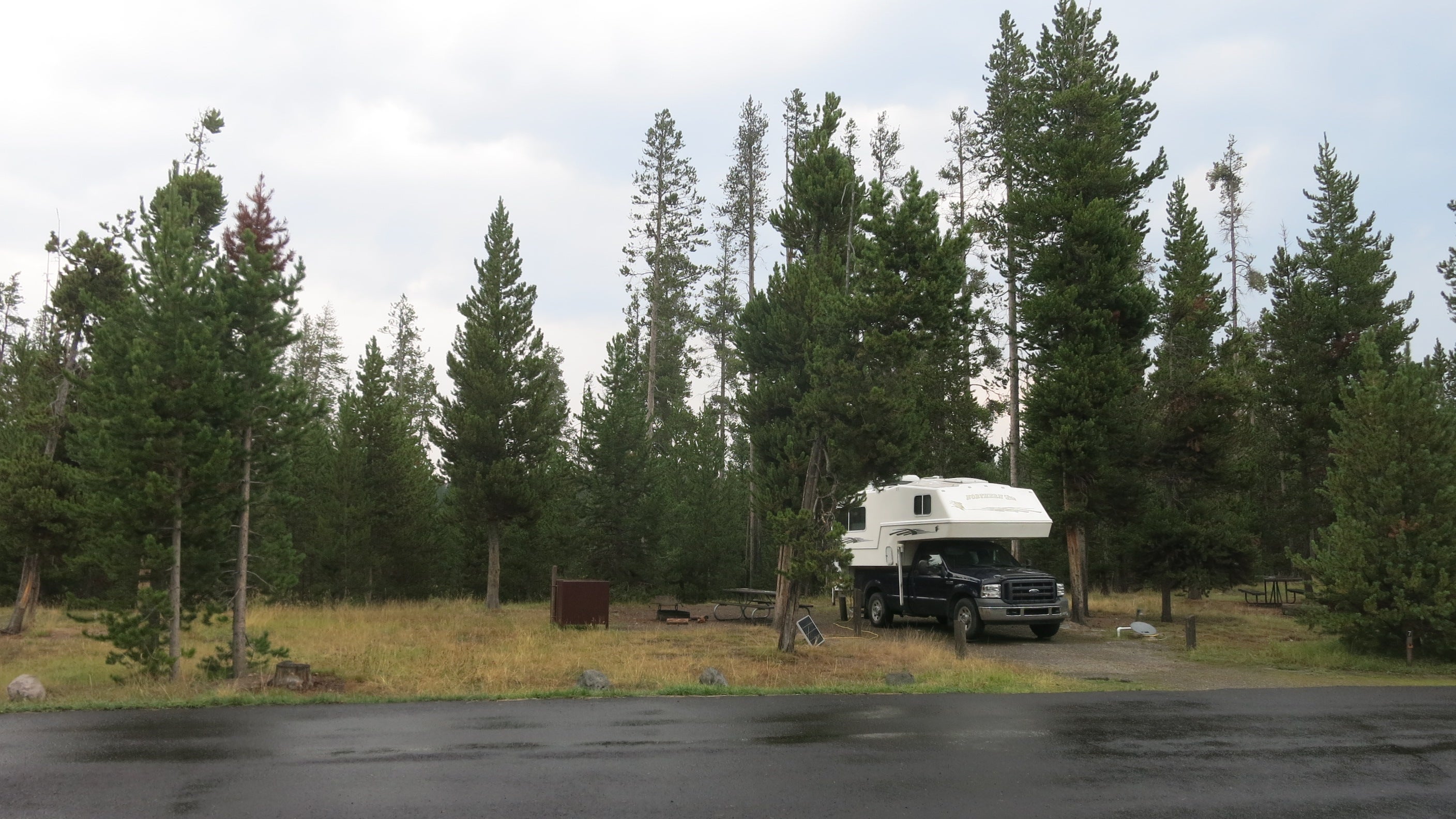
Lewis Lake is a convenient base for travelers entering from Grand Teton National Park or planning time on the lake. It accommodates tents and RVs but does not have hookups.
Tradeoff: It’s farther from Yellowstone’s most popular geyser basins than the park’s central campgrounds.
Camping Outside Yellowstone
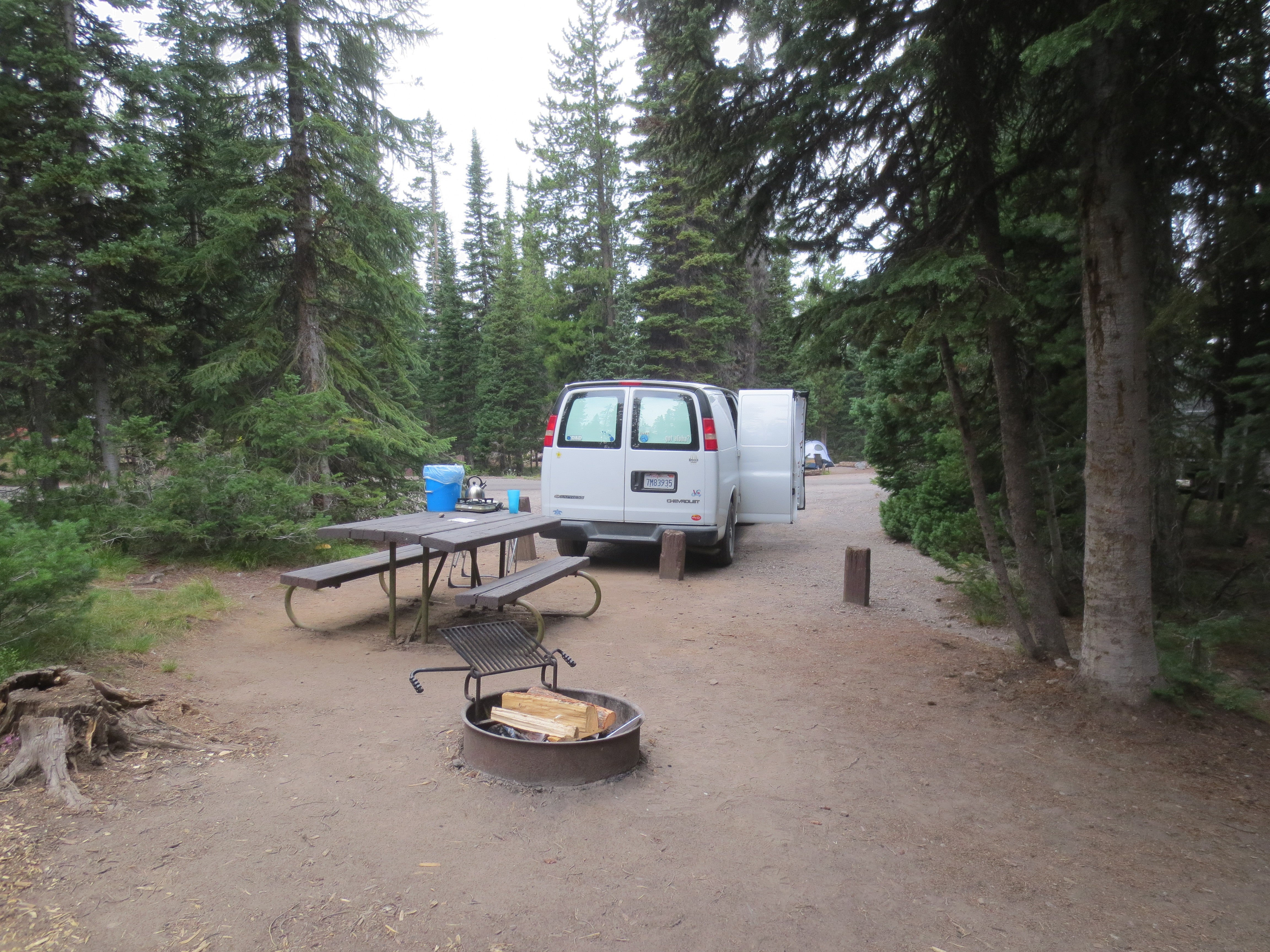
Yellowstone campgrounds often fill months in advance, especially during summer. If you can’t get a site inside the park, nearby gateway towns and national forest campgrounds can be good alternatives while still keeping you within driving distance of Yellowstone’s entrances.
- West Yellowstone is one of the most popular backup options thanks to its location just outside the West Entrance. You’ll find a mix of private RV parks, campgrounds, and easy access to Old Faithful and the park’s geothermal attractions.
- Gardiner, just outside the North Entrance, is a convenient base for visiting Mammoth Hot Springs, Lamar Valley, and the park’s northern wildlife areas. It offers a range of private campgrounds and RV parks.
- Cody is farther from the park but works well if you’re entering through the East Entrance or planning to explore the Buffalo Bill Center of the West before heading into Yellowstone.
- Cooke City is a smaller gateway community near the Northeast Entrance that’s popular with wildlife watchers visiting Lamar Valley. Campgrounds here provide quick access to some of the park’s best wildlife viewing.
- If you prefer a more rustic experience, Custer Gallatin National Forest, Shoshone National Forest, Caribou-Targhee National Forest, and Bridger-Teton National Forest all offer developed campgrounds outside the park.
In some areas, dispersed camping is also permitted where local regulations allow, though you’ll need to verify current rules, road conditions, and fire restrictions before setting up camp.
If your Yellowstone plans are flexible, our guide to camping alternatives to Yellowstone National Park highlights additional campgrounds and nearby destinations that can make excellent backups when campsites inside the park are already booked.
Reservations, Costs, and Camping Rules
Most Yellowstone campgrounds require reservations, and the most popular ones can fill months before summer arrives. Reservation windows and booking systems vary depending on who operates the campground, so it’s worth confirming where your campground is managed before your booking date opens.
Camping fees vary by campground and campsite type, with full-hookup RV sites generally costing more than standard campsites. Check the reservation website for current rates, seasonal availability, and any reservation fees before booking.
Most campgrounds limit how long you can stay, especially during the busiest parts of the season. If you’re planning an extended visit, review the campground’s stay limits before making reservations.
Food storage rules are strictly enforced throughout Yellowstone because bears and other wildlife are active across the park. Store food, coolers, cooking equipment, and anything with a scent inside your vehicle or designated bear-proof storage whenever they’re not in use.
If you’re camping in an RV, be aware that generator use is limited to designated hours to help keep campgrounds quiet. Always follow posted quiet hours, keep a safe distance from wildlife, and never approach or feed animals, even if they appear accustomed to people.
Frequently Asked Questions
Madison Campground is one of the best all-around choices for many visitors thanks to its central location near Old Faithful, Grand Prismatic Spring, and other popular geothermal attractions. If your priorities are different, campgrounds like Canyon, Fishing Bridge RV Park, or Slough Creek may be a better fit.
Fishing Bridge RV Park is the best choice for RVs that need full hookups, as it’s the only campground in Yellowstone that offers water, sewer, and electrical connections. Madison, Canyon, Bridge Bay, and Grant Village are also popular with RV travelers looking for dry camping.
No. Overnight camping is only allowed in designated campgrounds and backcountry campsites with the appropriate permits. Camping along roadsides, in parking areas, or outside designated camping areas is not permitted.
Free camping is available in some areas of the surrounding national forests where dispersed camping is permitted. Always check local regulations, road conditions, fire restrictions, and stay limits before choosing a dispersed campsite.
Camping fees vary by campground and campsite type. Standard campsites generally cost less than full-hookup RV sites, and rates can change from season to season. Check Recreation.gov or Yellowstone National Park Lodges for current pricing.
Reserve as early as possible, especially if you’re visiting between late spring and early fall. Popular campgrounds such as Madison, Canyon, and Fishing Bridge RV Park often book months in advance.
Fishing Bridge RV Park is the only campground inside Yellowstone National Park that offers full hookups for RVs.
Don’t give up on your trip. Check for cancellations, consider camping in nearby gateway towns such as West Yellowstone or Gardiner, or look at campgrounds in the surrounding national forests. Campendium RV PRO members can also set a CAMPalert to be notified if a campsite becomes available.
Find More Yellowstone Campgrounds With Campendium
Whether you’re looking for a full-hookup RV site, a quieter tent campground, or a backup option outside the park, Campendium makes it easier to compare your choices before you hit the road. Browse Yellowstone campground listings and filter by RV length, hookups, pet-friendly campgrounds, big-rig-friendly sites, reported cell signal, dump stations, and more to quickly narrow down the options that fit your trip.
As you plan, you can build your route with Trip Planner, navigate with RV-Safe Navigation based on your rig’s dimensions and propane restrictions, and save alternate campgrounds in case your first choice is unavailable.
If your preferred campground is already booked, CAMPalerts can notify RV PRO members when a reservation opens up from a cancellation. And with Offline Maps (coming soon), you’ll be able to keep your maps handy after you lose service.