Arizona has extensive dispersed camping opportunities on BLM and National Forest land, from high-elevation pine forests to low desert. But where you can camp, how long you can stay, and where you can drive depend on the land manager and specific area. This guide will help you choose a region, understand major exceptions, and verify current access before leaving pavement.
TL;DR
- Where to go: High-country areas around Flagstaff, the Grand Canyon and Mogollon Rim suit warmer-weather trips, while Arizona’s western and southern deserts are more attractive during cooler conditions.
- Where it’s allowed: BLM and National Forest land provide many opportunities, but high-use areas such as West Sedona and Prescott Basin have additional designated-site restrictions.
- How to verify: Check the land manager and current restrictions, then use recent Campendium reviews, access reports and the map to confirm vehicle fit and save backup locations.
Is Dispersed Camping Allowed in Arizona?
Yes. Dispersed camping is allowed on many BLM and National Forest lands in Arizona, but the rules are not statewide or uniform. Stay limits, road access, closures, and designated-camping requirements depend on the managing agency and specific area. Arizona State Trust Land follows separate permit and access rules.
BLM land
Dispersed camping is allowed on many BLM lands unless an area is closed, restricted, or managed under special rules. In Arizona, the typical BLM stay framework is up to 14 days within a 28-consecutive-day period, but field offices and individual sites can set different limits or restrictions. Check the local BLM office and current closures before your trip.
National Forest land
Many Arizona National Forest areas allow dispersed camping, but individual forests and ranger districts can set more specific rules. Check the applicable Motor Vehicle Use Map (MVUM) to see which roads and routes are open to motorized travel, and review current forest orders for closures, designated-camping requirements, and other restrictions.
Arizona State Trust Land
Arizona State Trust Land is not interchangeable with BLM or National Forest land. Recreational access generally requires a permit, and camping follows separate state rules. Before planning an overnight stay, confirm that your permit is valid and that the specific parcel is open for recreational access and camping.
Rules by land manager
| Land manager | Generally dispersed camping? | Fee/permit | Typical stay framework | What to verify |
|---|---|---|---|---|
| BLM | Often | Usually free outside fee areas | Varies; generally 14 days within 28 days in Arizona | Field office rules and closures |
| National Forest | Often | Usually free | Forest and district specific | MVUM and forest orders |
| State Trust Land | Limited recreation | Permit required | Separate state rules | Permit and parcel access |
Specific area rules always take priority. High-use areas, special management zones, temporary closures, and local forest or field-office orders may override the broader guidance above.
Best Dispersed Camping Areas in Arizona at a Glance
Arizona’s best dispersed camping region depends heavily on elevation, weather, road conditions, and your rig. High-country areas generally fit warmer-weather trips, while lower desert areas are often more practical in cooler conditions.
Best Places for Dispersed Camping in Arizona
Arizona’s dispersed camping areas range from high-country forests near Flagstaff and the Mogollon Rim to lower desert regions around Quartzsite, Phoenix, and Tucson. The right area depends on your season, vehicle, road conditions, and the land manager’s local rules, so use these regions as starting points and verify current access before you go.
Flagstaff, Williams & the Grand Canyon
Best for: High-country camping, pine forests, and Grand Canyon trips.
Coconino and Kaibab National Forest lands provide several dispersed camping options around Flagstaff, Williams, and the South Rim, including Coconino Rim Road. Road quality and RV fit vary by forest road, so check recent Campendium reviews and the applicable MVUM before heading in.
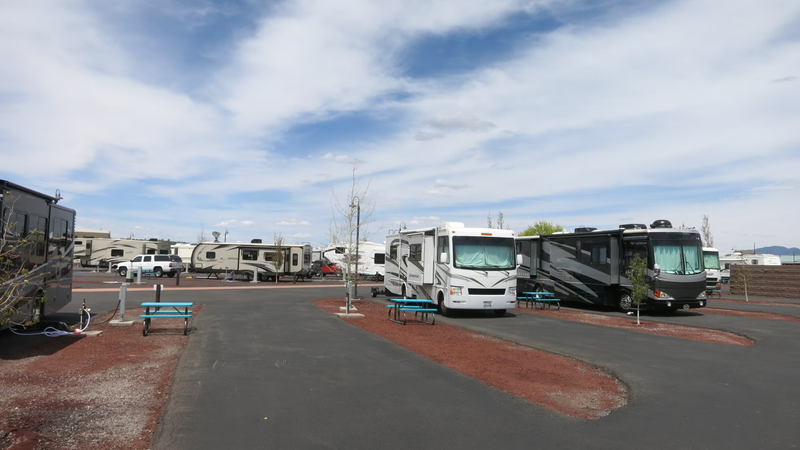
Higher elevations generally make this region more practical during warmer conditions. Save a few nearby forest-road alternatives in case your first choice is crowded or difficult to access.
Sedona
Best for: Red rock scenery and camping close to Sedona.
Dispersed camping around West Sedona is more restricted than many visitors expect. Camping in affected areas is limited to designated dispersed camping locations such as Rockview, Nolan, and Cockscomb, rather than any open forest-road pullout.
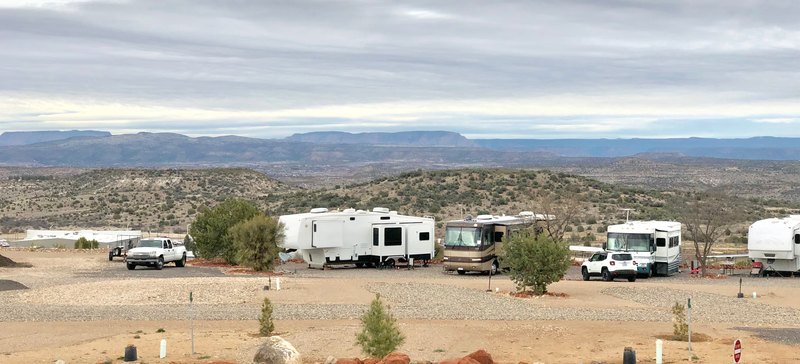
Check the specific Campendium listing for access notes, road conditions, and nearby designated alternatives before arrival.
Mogollon Rim & Payson
Best for: High-country camping and getting away from lower-elevation heat.
Forest Road 300 is one of the main dispersed camping corridors around the Mogollon Rim, with additional legal camping areas nearby. Road conditions can vary considerably, especially on side roads, so check the specific route and recent reports before towing an RV farther in.
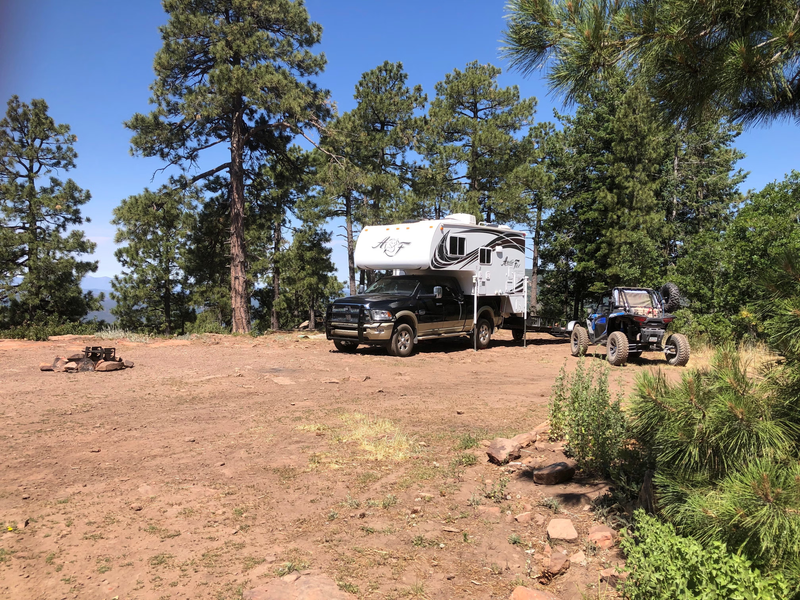
Treat individual legal camping areas separately rather than assuming the entire Rim is open to dispersed camping.
Prescott & Prescott Basin
Best for: Pine-country camping close to Prescott.
Prescott National Forest offers dispersed camping opportunities, but Prescott Basin follows stricter rules than much of Arizona. Camping in the Basin is limited to designated dispersed sites, with a shorter stay limit than the broad Arizona guidance.
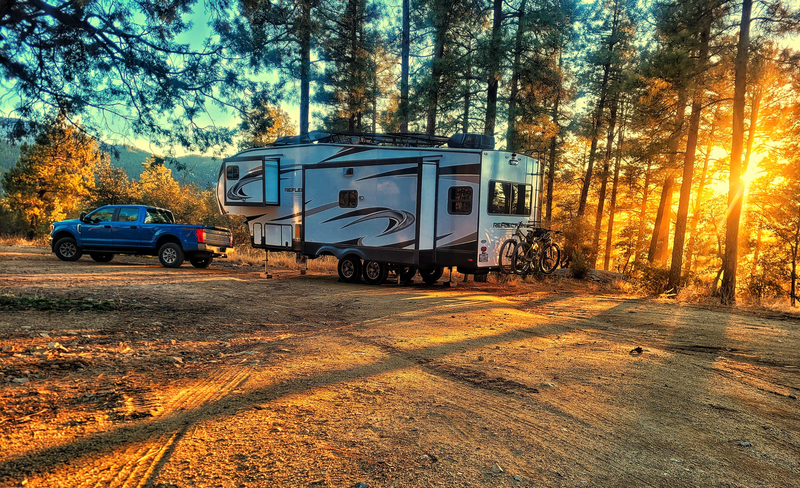
Check the designated-site map, road conditions, and nearby Campendium listings before choosing a site, and keep an option outside the Basin as a backup.
Phoenix, Lake Pleasant & Tonopah
Best for: Desert camping within reach of the Phoenix area.
The main planning challenge here is land ownership. BLM land, Arizona State Trust Land, and other jurisdictions can sit close together, so an open patch of desert is not automatically a legal campsite.
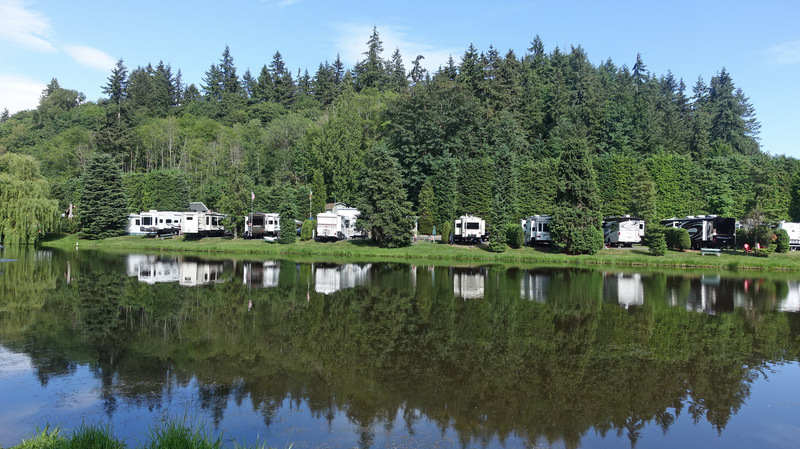
Verify the parcel first, then use Campendium reviews and access notes to compare road conditions, RV fit, and nearby alternatives. Cooler conditions generally make these lower-elevation areas more comfortable.
Quartzsite & Western Arizona
Best for: Winter desert camping, snowbirds, and longer RV stays.
Quartzsite has both ordinary short-term BLM dispersed camping and Long-Term Visitor Areas such as La Posa. They should not be treated as the same camping option, since LTVAs use separate permits and fees.
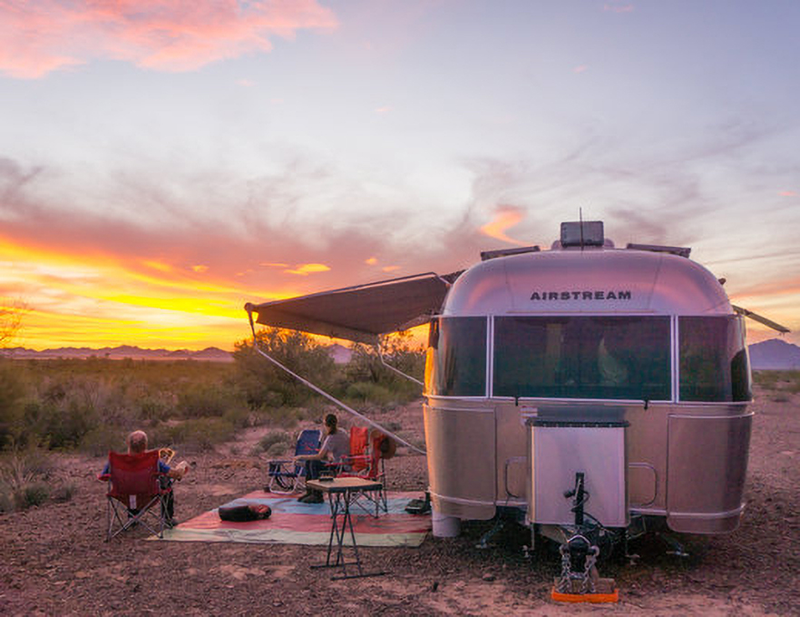
Compare Campendium listings based on stay length, access, services, and recent camper reports, and keep more than one area saved during busy periods.
Tucson & Southern Arizona
Best for: Cooler-season desert camping and trips near Tucson.
Southern Arizona combines BLM camping areas with Coronado National Forest options at higher elevations. Access can range from relatively straightforward desert roads to rougher mountain routes, so check the specific land manager and road before arriving with an RV.
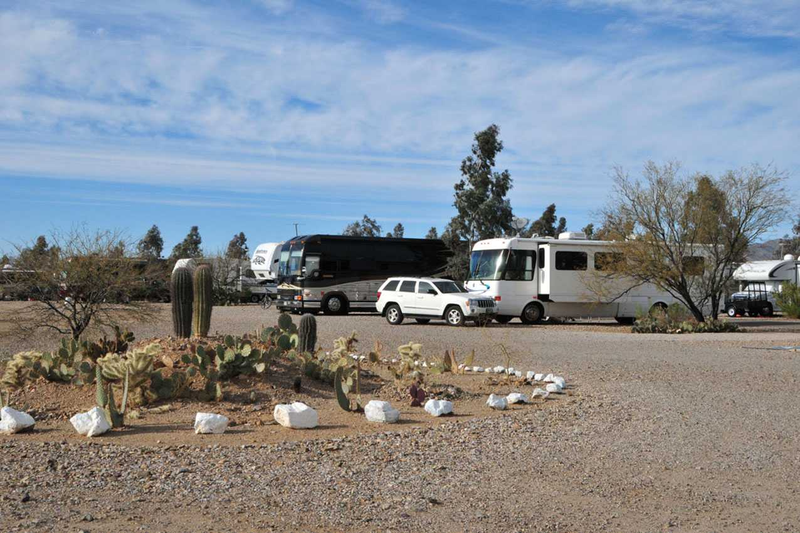
Campendium listings can help compare recent access reports, cell signal, and nearby backup locations.
Page, Vermilion Cliffs & the Arizona Strip
Best for: Remote northern Arizona camping and trips near Page.
Public lands around Page, Vermilion Cliffs, and the Arizona Strip offer dispersed camping opportunities, but remoteness and road conditions deserve extra attention. Some routes can become difficult after rain or may require more capable vehicles, so check current access before leaving pavement.
Use Campendium to compare recent reports and save easier-access alternatives around Page or nearby paved routes.
How to Find Legal Dispersed Camping in Arizona
Finding a legal campsite in Arizona is less about spotting an open patch of land and more about confirming who manages it, whether camping is allowed there, and whether your vehicle can reach it.
- Start with the Campendium Arizona map. Use the Free and Public Land filters to narrow your search to likely dispersed camping areas.
- Check recent camper reports. Review photos, road notes, reported RV length, cell coverage, and recent comments for clues about access and site conditions.
- Identify the land manager. Confirm whether the area is managed by the BLM, Forest Service, Arizona State Land Department, or another agency before applying any camping rule.
- Verify the road and current restrictions. For National Forest land, check the applicable Motor Vehicle Use Map (MVUM) and current forest orders. Forest Service guidance describes MVUMs as the official record of which routes are open to motorized travel and how they should be used alongside visitor maps.
- Save a few backup locations. Road damage, closures, fire restrictions, crowds, or a poor fit for your rig can make your first choice unusable. Keep two or three nearby options ready.
Arizona Dispersed Camping Rules to Check Before You Go
Arizona does not have one set of dispersed camping rules that applies everywhere. Restrictions can change by agency, forest, field office, or individual recreation area, so identify the land manager before relying on a stay limit or camping rule.
Specific area rules always take priority. A statewide rule of thumb may not apply once you enter an area with its own forest order, field-office restriction, designated camping system, or temporary closure.
Dispersed Camping in Arizona With an RV
Dispersed camping can work well for RVs in Arizona, but access can vary sharply by road, weather, and site layout. Before heading in, use recent Campendium reports to check whether the route and campsite fit your rig.
- Rig length: Check the longest vehicles reported by recent campers instead of assuming an area can handle a large motorhome or trailer.
- Road access: Washboard, sand, mud, ruts, snow, and monsoon damage can turn an otherwise manageable dirt road into a poor choice for an RV.
- Turnaround space: Large trailers need more than enough clearance to get in. Make sure there is room to turn around if the preferred sites are occupied.
- Cell signal: Compare recent Verizon, AT&T, and T-Mobile reports where available, especially if you work from the road or need service during your stay.
- Water and dumping: Dispersed campsites usually lack hookups and services. Check the nearest practical fresh water source and dump station before heading out.
- Scout first: Camper access notes are useful planning signals, but they should not replace current road-condition checks, especially after storms or seasonal weather.
Frequently Asked Questions
Yes. Dispersed camping is allowed on many BLM and National Forest lands in Arizona, but rules vary by agency and location. Some areas require designated campsites, have shorter stay limits, or restrict vehicle access. Arizona State Trust Land follows separate permit rules, so confirm the land manager before camping.
Often, but not always. Many BLM and National Forest dispersed camping areas do not charge a campsite fee, while other locations may require permits or fees. Arizona State Trust Land requires a recreation permit, and Long-Term Visitor Areas such as La Posa use separate permit and fee systems.
BLM land in Arizona generally follows a 14-day limit within a 28-consecutive-day period. Local field offices, special management areas, and individual sites can impose different limits, so check the rules for the specific area before settling in.
Yes. Arizona State Trust Land follows separate rules from BLM and National Forest land, and recreational camping generally requires a permit. A permit does not mean every parcel is open, so confirm that the specific area allows recreational access and overnight camping before you arrive.
Yes, but suitability varies widely. Some dispersed areas can accommodate large motorhomes and trailers, while others have rough roads, tight sites, limited turnaround space, sand, mud, or clearance issues. Check recent Campendium reviews, reported RV lengths, and current road conditions before taking a larger rig in.
Find Dispersed Camping in Arizona with Campendium
Explore dispersed camping across Arizona on Campendium to compare free public-land locations, recent camper reviews, photos, RV access, cell coverage, and nearby alternatives. Check current land-manager rules before you go, then save a few backup spots in case road conditions, closures, or crowds change your plan.