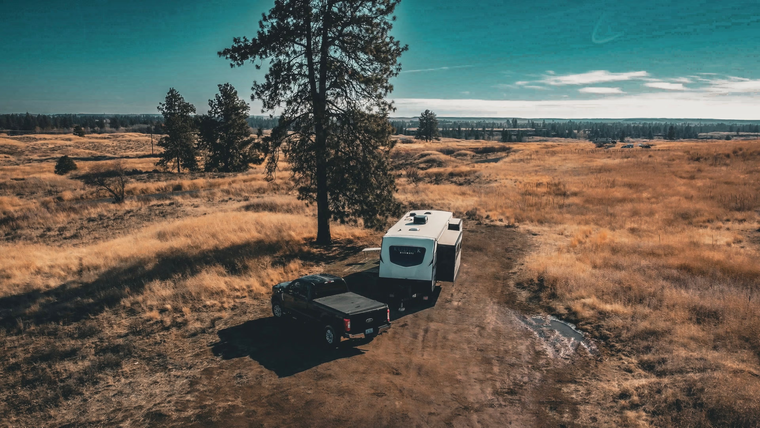
Free dispersed camping is available on eligible Bureau of Land Management (BLM) land north and south of Joshua Tree National Park, outside the park’s boundaries. The two areas suit different itineraries, and road conditions can vary from rutted dirt to soft sand. A route that’s manageable in a camper van may not work for a larger motorhome or trailer.
Public land also isn’t automatically open to camping. Official camping boundaries, nearby private property, and posted closures matter. This guide compares both areas, explains how to identify legal campsites, and covers what RV and tent campers should check before arriving.
TL;DR
- Where to camp: Eligible BLM areas lie north and south of Joshua Tree National Park, but campers must follow official land-use maps and posted restrictions.
- Which area to choose: The northern area is useful for northern and central park itineraries; the southern area is convenient to the Cottonwood entrance and I-10.
- What to expect: Camping is free but undeveloped. Review access conditions, prepare to be self-sufficient, and check current fire restrictions.
Where Is BLM Camping Allowed Near Joshua Tree?
Free BLM camping is available in designated areas north and south of Joshua Tree National Park. These lands are managed by the Bureau of Land Management, separate from the national park, and follow different dispersed camping rules.
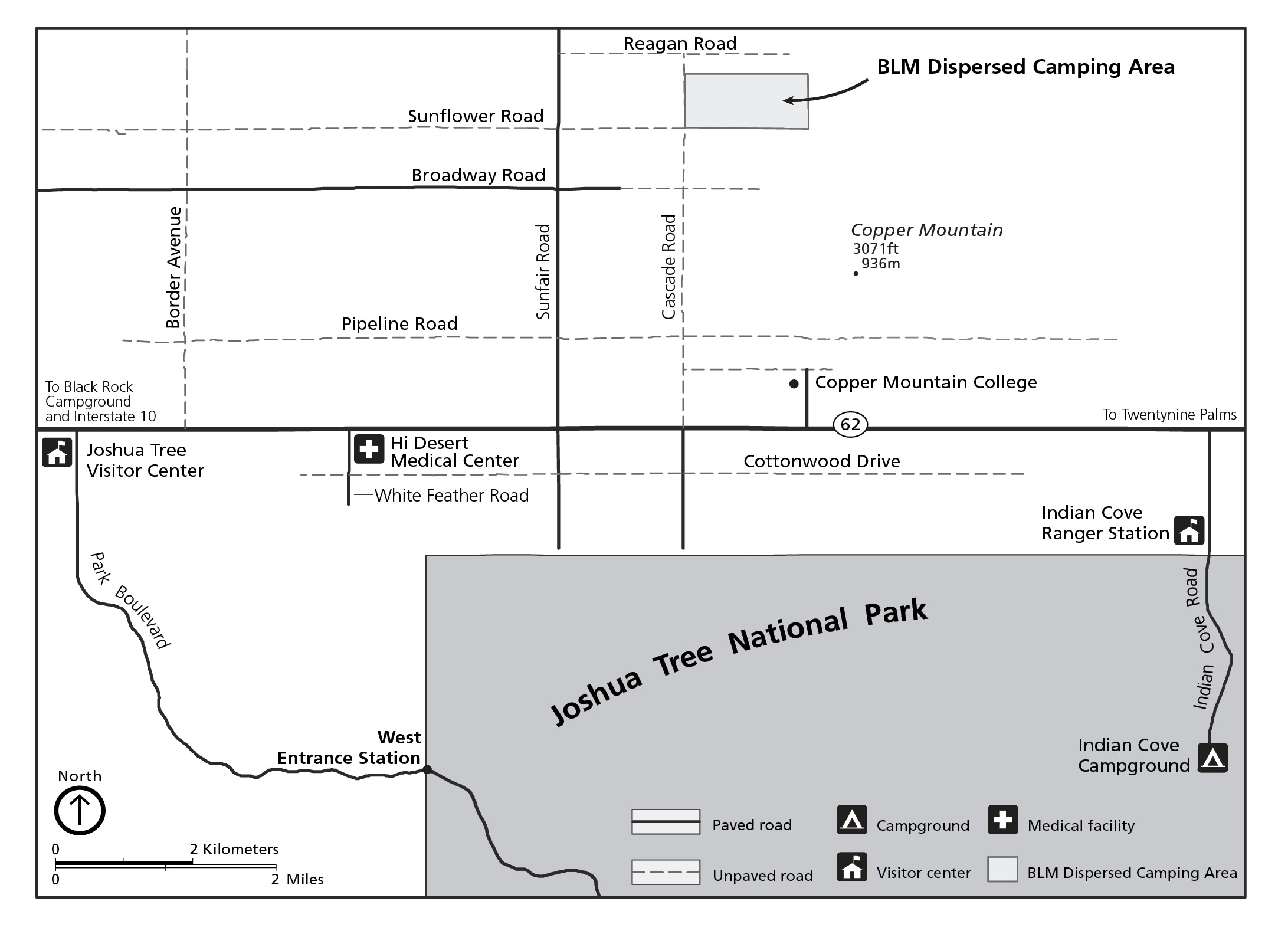
Before choosing a campsite, consult the National Park Service’s official north BLM camping map and south BLM camping map. The northern area is surrounded by private property, while only certain sections of the southern area permit camping.
The NPS also prohibits camping within 300 feet of roadways or in areas marked closed. A map pin or existing campsite doesn’t automatically establish legal permission to camp.
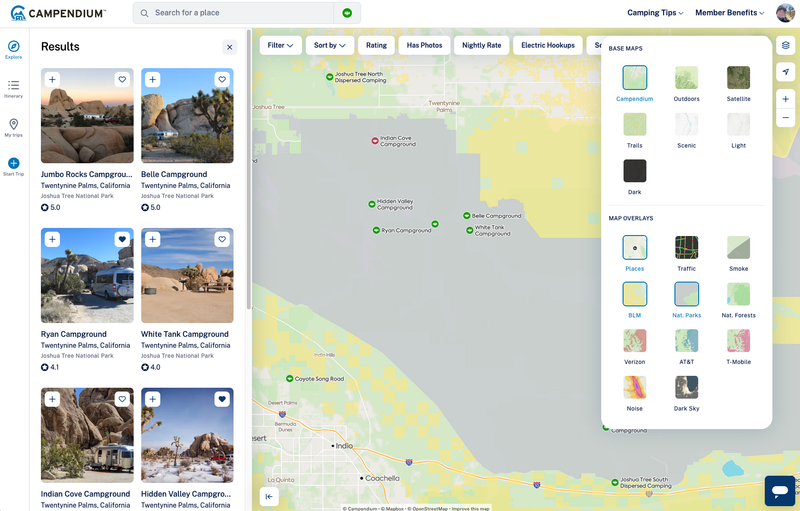
Planning on Campendium? RV PRO members can turn on the BLM and National Parks Map Overlays to see both sets of boundaries on one map, which makes it easy to spot where the park ends and BLM land begins.
North vs. South Joshua Tree BLM Camping at a Glance
Both BLM camping areas offer free, undeveloped campsites outside Joshua Tree National Park. The better choice depends on your itinerary, camping setup, and current road conditions.
| Factor | North Joshua Tree BLM | South Joshua Tree BLM |
|---|---|---|
| Location | Near the Joshua Tree community, off Sunfair and Cascade roads | Along Cottonwood Spring Road, near I-10 |
| Best for | Exploring northern and central park attractions | Visiting Cottonwood, approaching from I-10, or overnight stops |
| Park access | Convenient to the northern park entrances and central attractions | Near the southern entrance; longer drives to northern attractions |
| Tent and RV suitability | Tent camping, vans, and RVs reported; larger rigs need careful route selection | Tent camping, vans, and larger RVs reported; suitability varies by track |
| Road conditions | Rutted dirt roads, muddy sections after rain, and occasional debris | Sandy dirt tracks, washboarding, and potentially soft ground |
| Amenities | No toilets, potable water, hookups, or trash collection | No toilets, potable water, hookups, or trash collection |
| Camping cost | Free in permitted areas | Free in permitted areas |
Compare Joshua Tree BLM camping areas on Campendium to check recent camper reviews, road-access notes, campsite photos, and reported cell signal before choosing your spot. Conditions vary, so verify camping boundaries and road access before heading out.
Best BLM Dispersed Camping Areas Near Joshua Tree
The northern and southern BLM camping areas offer similar off-grid experiences, but their locations and access conditions make them better suited to different trips. Here’s what to expect at each area before choosing a campsite.
North Joshua Tree BLM dispersed camping
Best for: RV and tent campers exploring the northern and central sections of Joshua Tree National Park, provided road conditions are suitable.
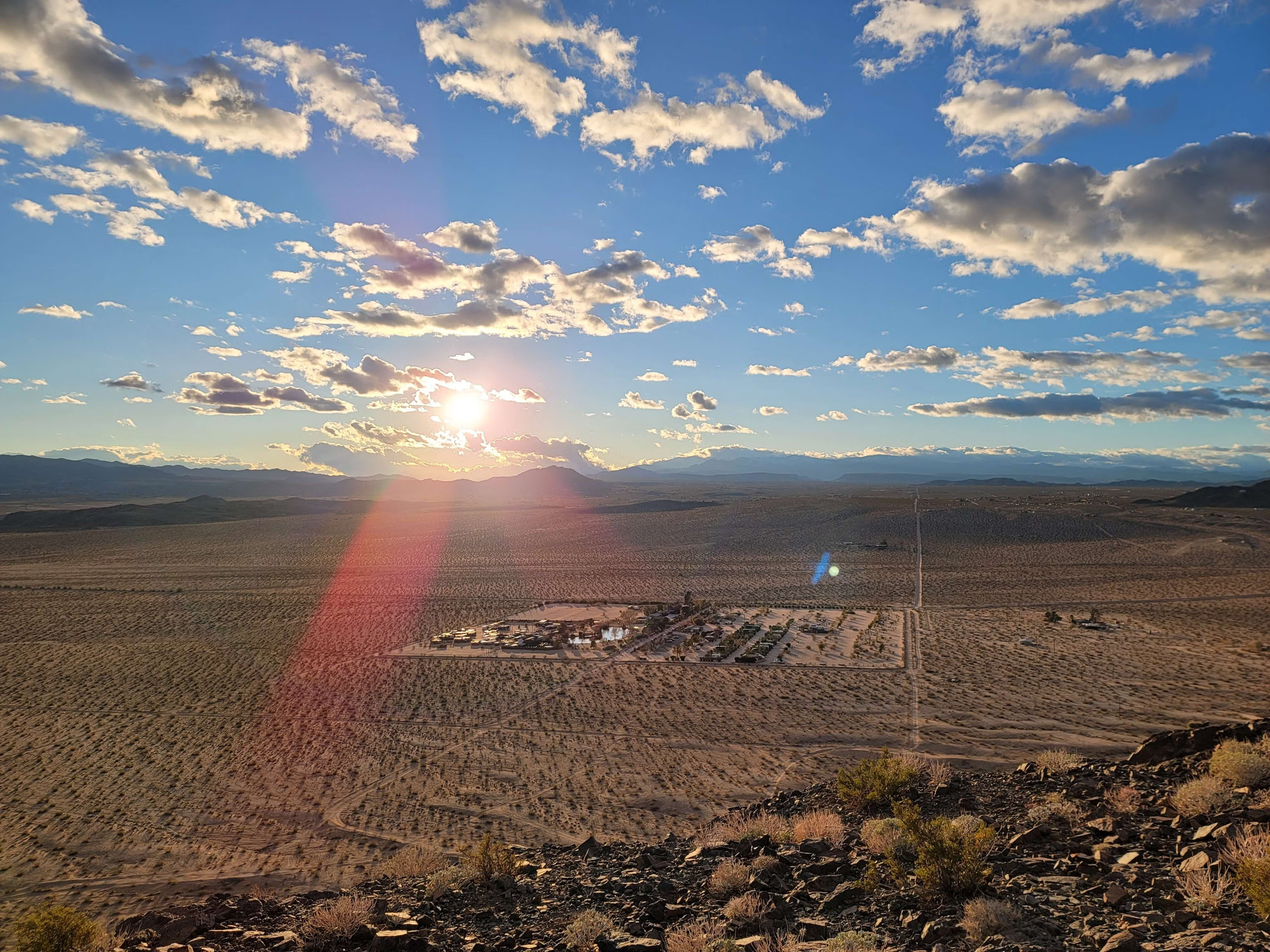
Located near the Joshua Tree community, this dispersed camping area is accessed through roads around Sunfair, Sunflower, and Cascade. The terrain includes a broad, exposed dry lakebed with plenty of open camping space but little shade.
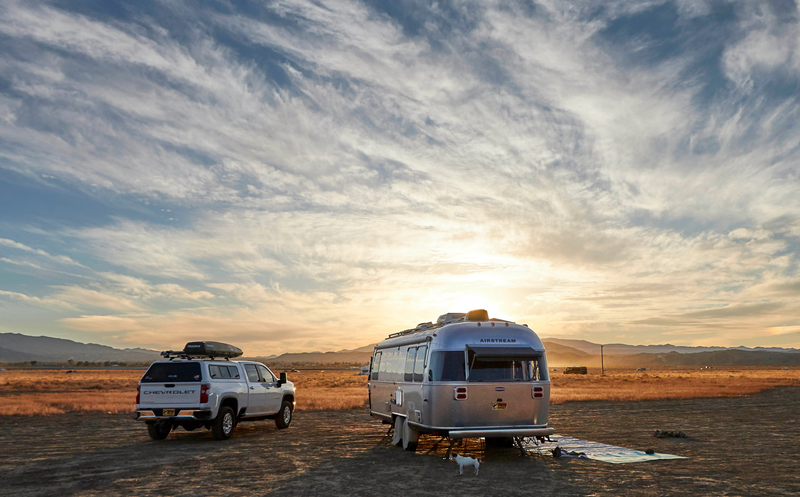
Access can be challenging. Campendium reviewers report rutted dirt roads, washouts, and occasional debris, including broken glass and metal. Some RVers have navigated the roads successfully, while others have reported difficulty even in smaller motorhomes. Rain can make the lakebed muddy and existing ruts harder to navigate.
The area is also surrounded by private property. Check the official NPS camping map before selecting a spot, and avoid assuming that every visible track leads to land where camping is permitted.
View Joshua Tree North Dispersed Camping on Campendium to compare camper reviews, photos, RV access reports, and cell coverage observations.
Joshua Tree South BLM dispersed camping
Best for: Campers approaching from I-10, visiting the Cottonwood area, or looking for free camping near Joshua Tree’s southern entrance.
This camping area sits along Cottonwood Spring Road, just north of I-10. Campsites are spread across open desert terrain, with several unpaved tracks leading away from the main road.
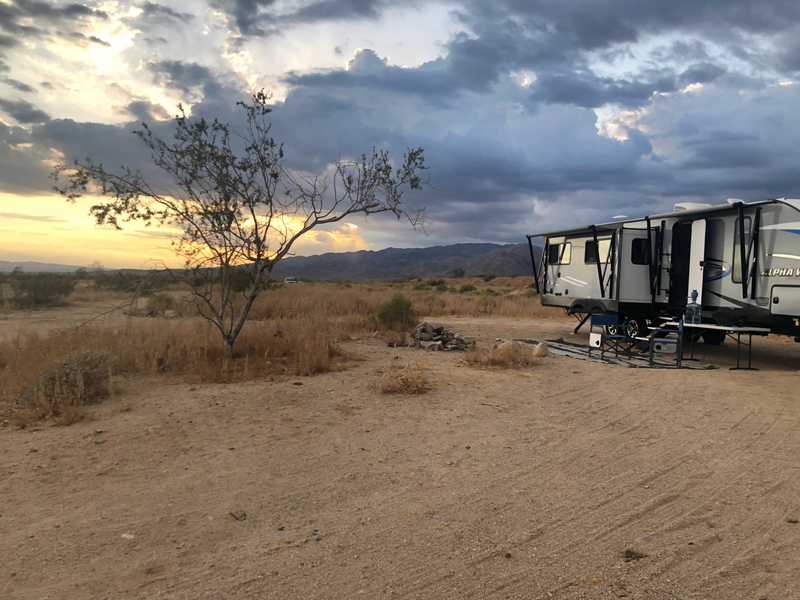
Campendium reviewers have reported relatively accessible spots for larger RVs near the entry roads, although some tracks have washboarding, loose sand, and uneven ground. Certain spots also require leveling. The exposed setting offers little shade and can experience strong winds.
There are no developed facilities, including restrooms, drinking water, hookups, or trash collection. While the location is convenient for exploring Cottonwood, reaching attractions farther north, such as Hidden Valley, involves a substantially longer drive through the park.
View Joshua Tree South Dispersed Camping on Campendium to review campsite photos, reported rig sizes, road conditions, and connectivity before heading out.
How to Find Legal Free Camping Near Joshua Tree
Finding free BLM camping near Joshua Tree starts with confirming where camping is permitted. Use these five steps to narrow down your options and avoid arriving at an unsuitable or restricted site.
- Start with the official camping maps. Check the National Park Service’s BLM camping maps to identify eligible areas north and south of Joshua Tree National Park.
- Verify land boundaries and restrictions. Check for nearby private property, designated camping boundaries, and posted closures. The NPS prohibits camping within 300 feet of roadways in these areas. Campendium RV PRO’s Public Lands map overlay can help you identify BLM and national park boundaries, but always use official maps to confirm where camping is allowed.
- Compare campsites on Campendium. Explore Joshua Tree North Dispersed Camping and Joshua Tree South Dispersed Camping. Review camper photos, road-access reports, RV sizes, and reported cell coverage. RV PRO members can also use carrier-specific filters and cell coverage overlays to assess potential AT&T, Verizon, or T-Mobile reception.
- Check current conditions and fire restrictions. Review BLM California camping guidance and current fire restrictions. Confirm that your vehicle can handle the approach roads, especially after rain. A California Campfire Permit alone doesn’t authorize fires where restrictions prohibit them.
- Save a backup and arrive before dark. Bookmark an alternative campsite on Campendium in case your first choice is closed, crowded, or difficult to access. With RV PRO, you can use the Trip Planner on Campendium’s website to organize your preferred stop, backups, and nearby services along your route. Plan to arrive during daylight so you can inspect the terrain before committing to a campsite.
Joshua Tree BLM Camping Rules, Permits, and Restrictions
Free camping near Joshua Tree comes with restrictions on where you can set up, how long you can stay, and whether fires are permitted. Check current National Park Service and BLM guidance before your trip, since posted closures and local restrictions take precedence over campground listings.
Camping boundaries and road setbacks
The National Park Service permits dispersed camping only within the eligible areas shown on its official BLM camping maps. Campers must stay at least 300 feet (91 meters) from roadways and avoid areas marked closed to camping.
The northern camping area is surrounded by private property, while only certain portions of the southern BLM land allow camping. Respect property boundaries and closure signs, even if a location appears on a camping app or has evidence of previous use.
Stay limits and camping permits
BLM dispersed camping is generally limited to 14 days within a 28-day period, although local restrictions may differ. After reaching the limit, campers must relocate according to the applicable BLM field office rules.
The Joshua Tree BLM dispersed camping areas don’t operate like reservable campgrounds. Most recreational dispersed camping doesn’t require a separate camping permit, but special activities or larger groups may have additional requirements. Check the BLM’s camping regulations before planning an extended stay.
A camping permit and a California Campfire Permit serve different purposes. Neither overrides land-use restrictions or fire bans.
Campfire rules and fire restrictions
A California Campfire Permit does not automatically make a campfire legal. Current BLM restrictions for the Palm Springs–South Coast Field Office permit campfires under Stage I only in approved fire pits or grills at developed sites. Stage II restrictions prohibit open fires entirely.
Because Joshua Tree’s dispersed BLM camping areas lack developed fire facilities, campers should not assume that wood fires are permitted. An existing rock fire ring isn’t proof of authorization.
Portable gas stoves with shut-off valves may be allowed with a valid California Campfire Permit, subject to current restrictions. Always check the BLM California fire restrictions for the applicable field office before departure.
Leave No Trace and desert protection
These undeveloped camping areas have no restrooms, drinking water, or trash collection. Bring sufficient supplies, pack out your trash, and dispose of human waste and RV wastewater through appropriate facilities.
Desert vegetation is protected, including dead plants and wood. When camping is authorized, choose previously disturbed ground rather than clearing new spaces. Stay on designated vehicle routes, avoid driving over vegetation, and don’t create new tracks to reach a campsite.
For more practical guidance, review Campendium’s Leave No Trace tips for boondocking before heading out.
RV and Tent Camping Tips for Joshua Tree BLM Land
Camping on BLM land near Joshua Tree requires preparation, particularly if you’re traveling in an RV or staying for several nights. Road conditions, limited services, and desert weather can all affect where you camp and how long you can comfortably stay.
- Road access and rig fit: Check recent Campendium reviews for reports of deep ruts, soft sand, and washed-out tracks. A road previously used by a large motorhome may not be passable today. Scout uncertain routes, assess turning space before proceeding, and turn around safely if conditions deteriorate. Avoid creating new tracks across the desert.
- Water, hookups, and waste: Neither BLM area provides potable water, electrical hookups, restrooms, or trash collection. Fill your tanks, bring sufficient drinking water, and prepare to pack out waste. RVers can use Campendium to find nearby dump stations. Near the northern area, Joshua Tree Lake RV & Campground lists a dump station available to walk-in customers. Confirm access and fees before visiting.
- Cell signal: Check recent, carrier-specific reports on Campendium rather than assuming you’ll have service. Coverage can vary between campsites, even within the same dispersed camping area. If you need internet access for work, review multiple reports and prepare a backup connection.
- Weather and arrival: Expect hot daytime temperatures, potentially cold nights, and exposed conditions with little shade. Strong winds can make tent camping uncomfortable, while rain can leave dirt roads muddy or washed out. Check the forecast, secure tents and RV awnings, and arrive before dark so you can inspect the terrain and confirm that your chosen campsite is permitted.
Frequently Asked Questions
Yes. Eligible BLM dispersed camping areas are located north of Joshua Tree National Park near the Joshua Tree community and south of the park near Cottonwood Spring Road and I-10. Check the official NPS camping maps to identify permitted areas and avoid nearby private property.
Dispersed camping is permitted on eligible BLM land outside Joshua Tree National Park, but vehicle-based dispersed camping isn’t allowed inside the park. Within the national park, you can stay at designated campgrounds or obtain a permit for overnight wilderness backpacking in approved areas.
Yes, free dispersed camping is available on designated BLM land outside the national park. Campgrounds inside Joshua Tree National Park generally charge fees and may require reservations. See Campendium’s RV camping guide to Joshua Tree National Park for in-park camping options.
Start with the official NPS maps to identify legal camping areas and check land boundaries. Then compare Joshua Tree North Dispersed Camping and Joshua Tree South Dispersed Camping on Campendium for recent reviews, campsite photos, road conditions, and reported cell coverage. Confirm current restrictions before traveling.
Ordinary dispersed camping in these BLM areas generally doesn’t require a camping permit or reservation, although local restrictions and special-use requirements may apply. A California Campfire Permit is separate and doesn’t override fire restrictions. Overnight wilderness backpacking inside Joshua Tree National Park requires an NPS permit.
BLM dispersed camping is generally limited to 14 days within a 28-day period. Campers must relocate after reaching the applicable limit, and local rules may impose additional requirements. Check the BLM’s camping regulations and confirm local restrictions before an extended stay.
Don’t assume campfires are permitted. Under current Palm Springs–South Coast Field Office restrictions, Stage I allows campfires only in approved fire facilities at developed sites, while Stage II prohibits open fires. A California Campfire Permit alone doesn’t grant permission. Check the current BLM California fire restrictions before your trip.
The northern area is convenient for exploring northern and central park attractions, but access roads can become deeply rutted or muddy. The southern area is convenient for I-10 and Cottonwood, with larger RVs reported at some sites, though sandy tracks require caution. Neither area guarantees suitable access for every rig, so compare recent camper reports before choosing.
Find Free BLM Camping Near Joshua Tree With Campendium
Both northern and southern Joshua Tree offer free dispersed camping opportunities, but legal boundaries, road conditions, and campsite suitability vary. Choosing the right area depends on your route, vehicle, and camping needs.
Compare Joshua Tree North Dispersed Camping and Joshua Tree South Dispersed Camping on Campendium to explore recent camper reviews, photos, RV access notes, and reported cell coverage. Check official camping boundaries and current restrictions before traveling, and save a backup location in case your first choice is crowded or unsuitable.