When staying in a hotel, you can usually choose from familiar chains, ranging from roadside motels to five-star properties, and go into your stay with certain expectations. RV camping works a little differently. True campground chains are less common, but there are several RV park franchises, campground networks, resort groups, and travel clubs that can make trip planning easier.
The right option depends on how you travel. Some RV park chains are best for quick overnight stops, others are built for family vacations, and some membership programs are most useful for frequent travelers.
Here’s a guide to some of the most popular RV campground chains, franchises, networks, and clubs, including KOA, Harvest Hosts, Jellystone Park, Thousand Trails, Sun Outdoors, and Good Sam.
What Is an RV Park Chain?
An RV park chain is a group of campgrounds operating under the same brand or system. Some are traditional franchises, some are owned resort networks, and others are membership or discount programs connected to independently owned parks.
Here’s the quick difference:
- Chain or franchise: Campgrounds share a brand name and often have similar standards or amenities.
- Campground network: Parks may be owned, managed, affiliated, or listed under one larger system.
- Membership club: RVers pay an annual fee for access, discounts, or special overnight stays; most RVers go for affordable memberships.
- Discount program: Members save on nightly rates at participating campgrounds, but the parks are usually independently operated.
That’s why RVers often compare brands like KOA and Jellystone Park alongside programs like Harvest Hosts, Thousand Trails, and Good Sam, even though they don’t all work the same way.
Quick Comparison of Popular RV Park Chains, Networks, and Clubs
Use this quick comparison to see how popular RV park chains, campground networks, and membership clubs differ. The best choice depends on whether you want familiar amenities, family activities, resort-style stays, discounts, or unique overnight stops.
Let’s learn more about each RV park chain.
Kampgrounds of America (KOA)
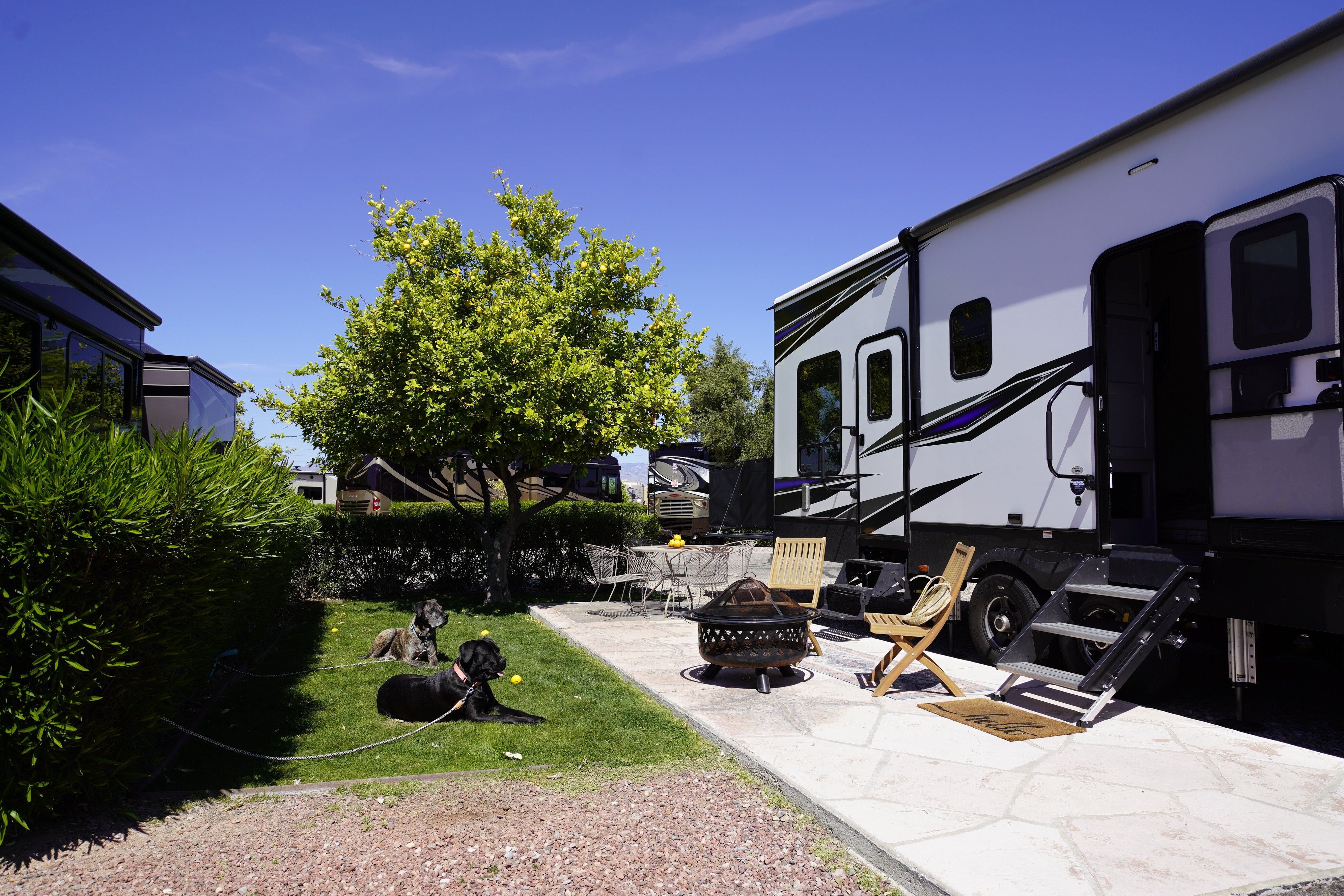
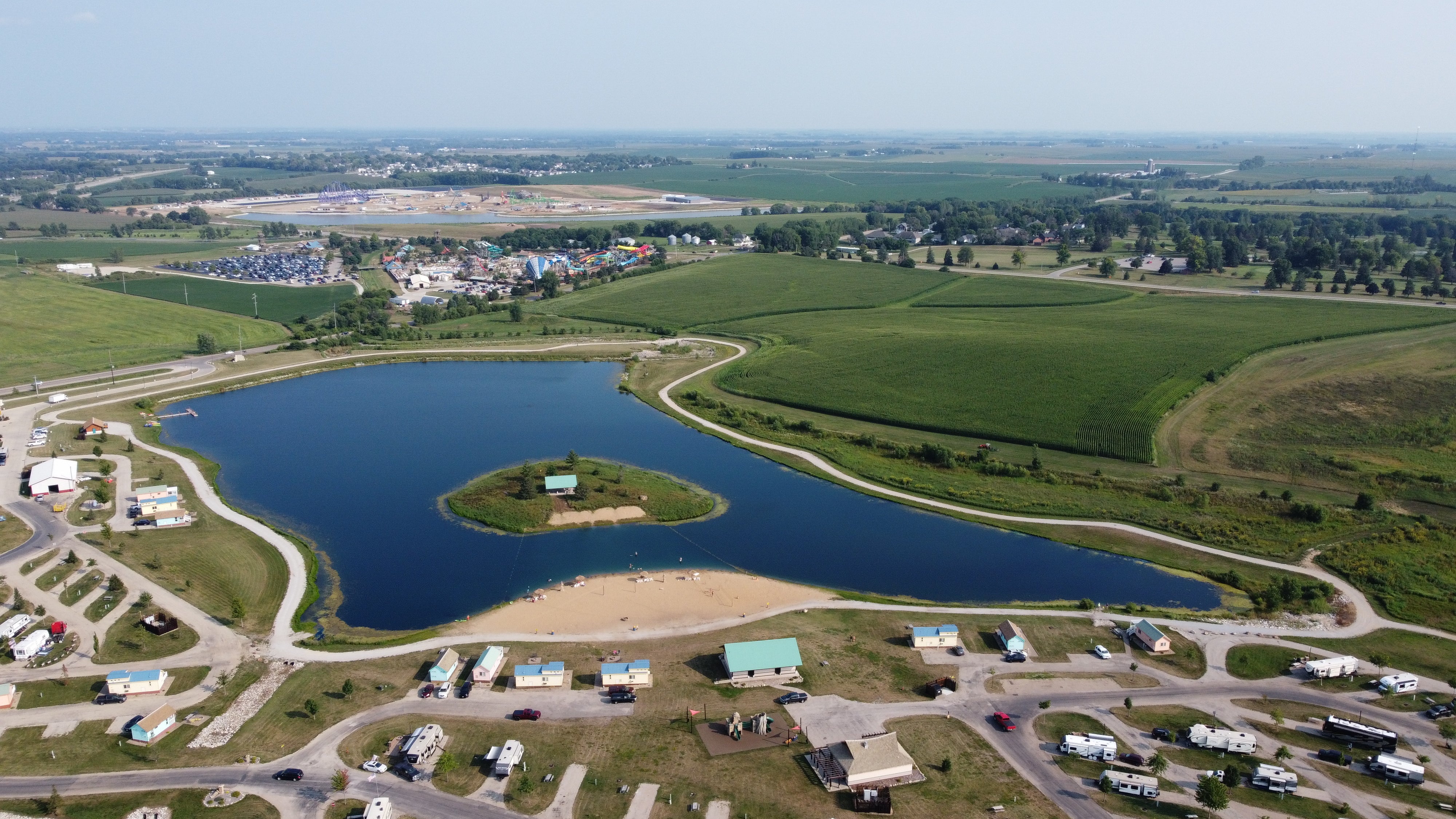
One of the most recognizable campground brands is KOA. When you imagine a traditional campsite with a picnic table and a fire ring, you can thank John Wallace, the founder of KOA. From the first campground in 1962, KOA now includes more than 500 franchised parks.
- Monthly and annual costs: You don’t have to be a member to stay at a KOA. But if you join their $39-worth KOA Rewards annually, you can save 10 percent on every reservation and receive other benefits.
- Who it’s best for: The standard KOA is perfect for travelers looking for an overnight stay while on the road. KOAs with the “Holiday” moniker are developed with families in mind and offer more amenities.
- Featured amenities: KOAs usually have a mix of full-hookup and water and electric sites. You will consistently find clean facilities, a camp store, and a playground. More developed KOAs can have everything from pools to waterparks, planned activities, and more.
- Campground vibe: KOAs have a mix of overnight travelers and campers on vacation. The vibe is usually quite casual and relaxed.
- Cons: The standard KOA campsite isn’t especially large. You’ll likely be close to your neighbor. While most KOAs are relatively consistent, there are outliers that can be better or worse.
Stand-out campgrounds:
Harvest Hosts
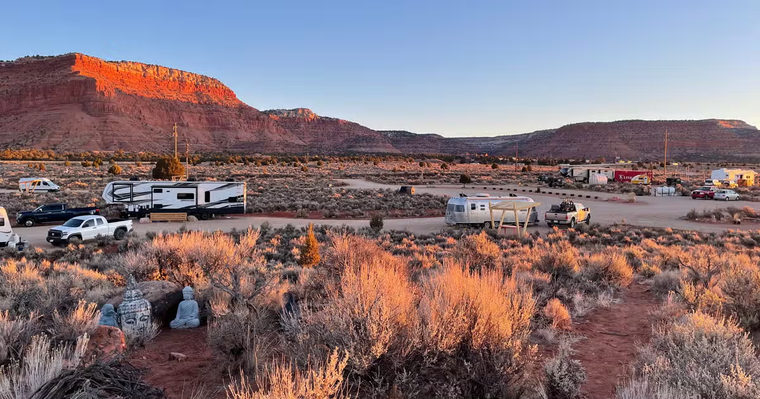
Harvest Hosts is a membership program that gives RVers access to sites offered by private landowners. Sometimes the sites are on working farms, vineyards, or breweries, offering a truly unique experience with each stay.
- Monthly and annual costs: The annual fee is $99, which gives you free stays at Harvest Hosts sites. You’re asked to spend at least $20 on purchases from your hosts’ businesses as a thank you.
- Who it’s best for: Harvest Hosts is mainly for adults who have a sense of adventure. You’ll find a variety of experiences and campsites, especially if you’re flexible.
- Featured amenities: The experience is at the heart of a Harvest Hosts stay. Though some spots have electric and/or water hookups, these are rare, and a self-contained vehicle is required for camping. Each site listing provides details about the individual amenities.
- Campground vibe: Imagine yourself petting alpacas and sampling local wines. You may not find a traditional campground experience—and that may be a plus.
- Cons: Generally, you can only stay 24 hours at a site, and tents, hybrids, and pop-up trailers aren’t allowed.
Stand-out sites:

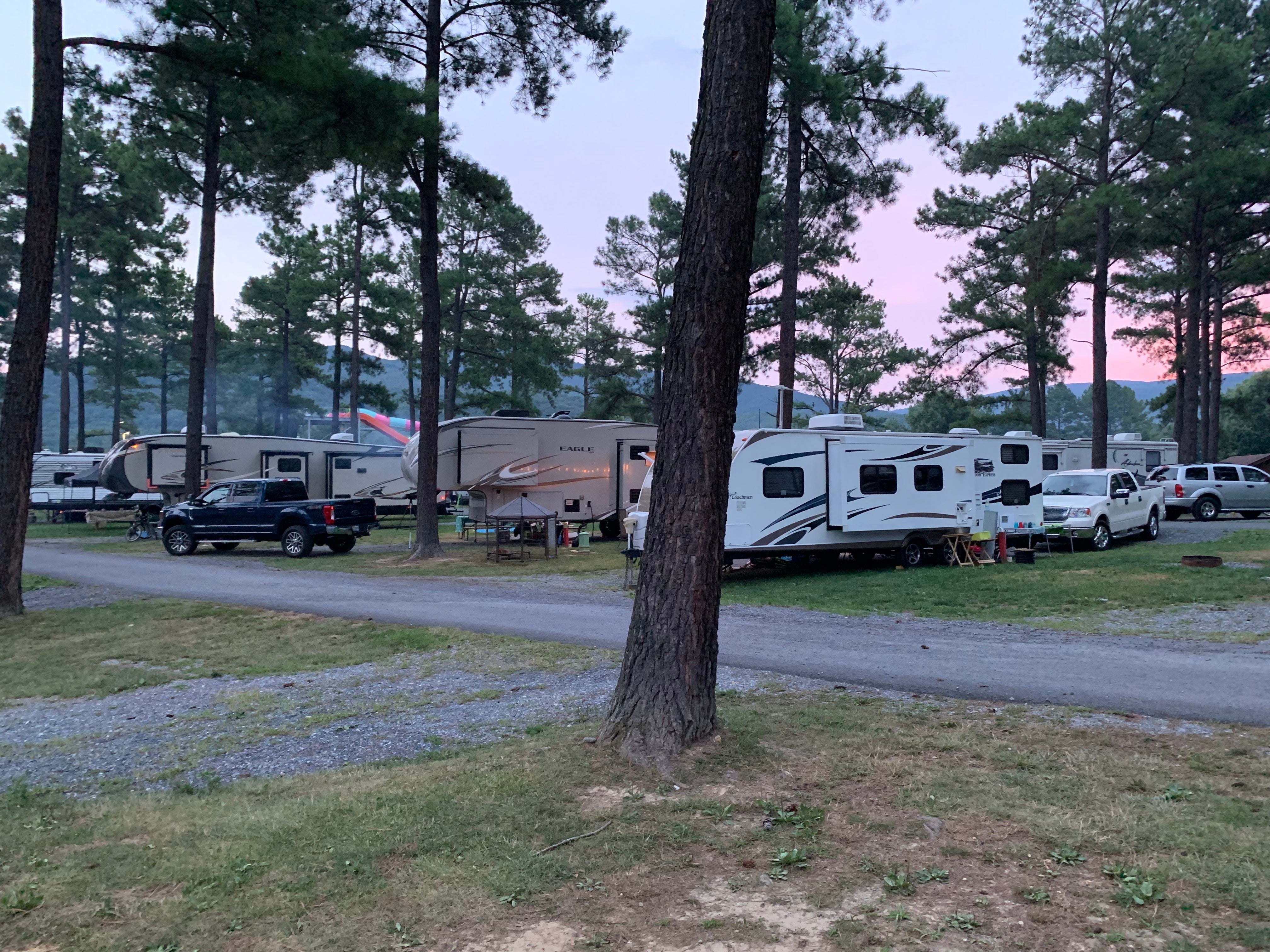
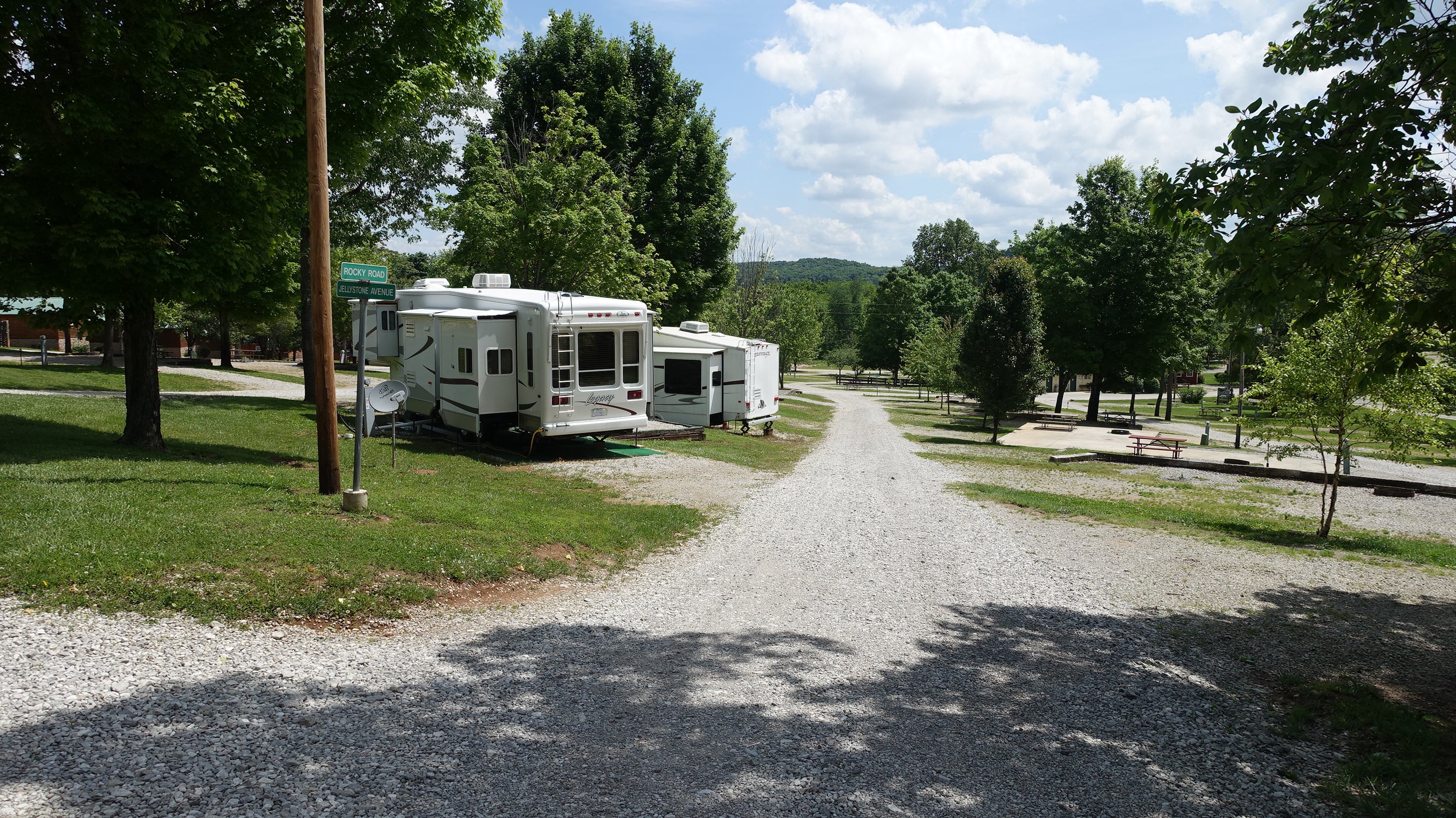
Yogi Bear’s Jellystone Park Camp-Resorts
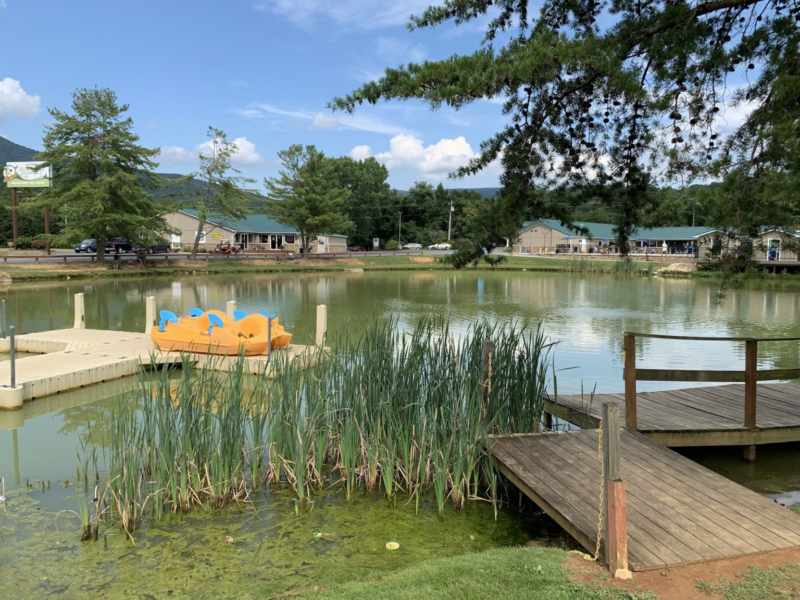
The first Jellystone was developed in 1969, as its founders specifically set out to create family vacation destinations. To this day, families remain the focus for the 80 parks that are part of the chain.
- Monthly and annual costs: No membership is required to stay at a Jellystone. If you stay frequently, join the free Club Yogi Rewards to earn points toward prizes.
- Who it’s best for: Jellystone is great for families. You can have a whole vacation in the park, if you wish.
- Featured amenities: The parks usually have a mix of full-hookup and water and electric sites. You’ll generally find a plethora of family-friendly amenities and activities, including themed weekends, waterparks, character visits, and more.
- Campground vibe: Jellystones are usually energetic. Expect to find kids splashing in pools, golf carts buzzing around, and surprise visits from Yogi himself. It’s a party for the preschool crowd.
- Cons: Though families are the target for Jellystones, that doesn’t mean you can’t stay there sans kids. Just know before you go that this won’t be a quiet nature retreat. Also, some Jellystone locations charge additional costs for some activities, which can be pricey if you have several children.
Stand-out campgrounds:
Thousand Trails
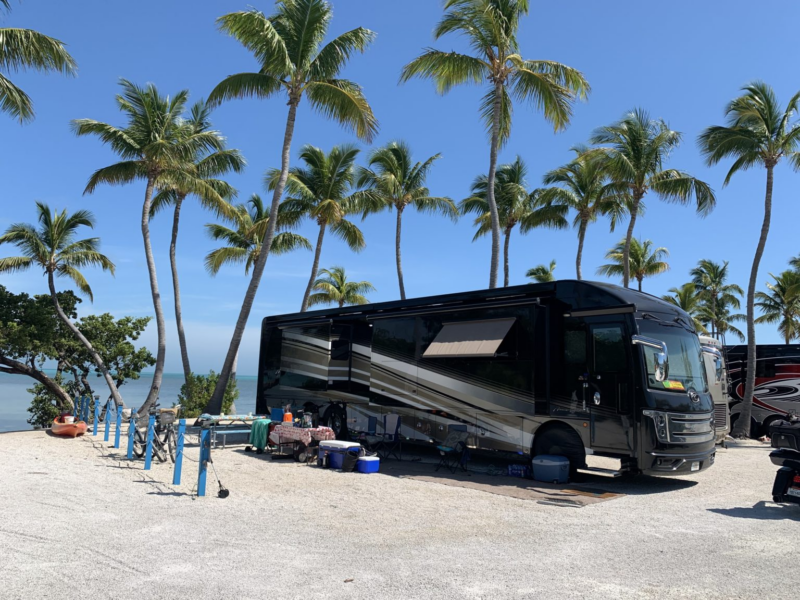
Thousand Trails is a membership program and campground network that’s quite different from the other options on this list. Aimed at full-time and frequent travelers, this program offers free stays at over 80 locations with an annual fee.
- Monthly/annual costs: Pricing starts at $775 annually for access to campsites in one of five U.S. zones. Additional pricing can open up more zones and parks.
- Who it’s best for: A Thousand Trails membership is best suited for full-time travelers or those who will camp enough at included sites to recoup the $630 cost (approximately 5 to 15 nights).
- Featured amenities: Amenities vary from park to park, but most have full hookups, water and electric sites, and family-friendly amenities.
- Campground vibe: Thousand Trails campgrounds are independently owned and operated, so you won’t necessarily find consistency across the different parks. Read individual campground reviews to find out more.
- Cons: Some parks set aside a limited number of sites for members, so you have to book months ahead for popular destinations. Also, terms can be confusing, so you need to read carefully and ask questions to see if Thousand Trails is a good fit for you.
Stand-out campgrounds:
Sun Outdoors
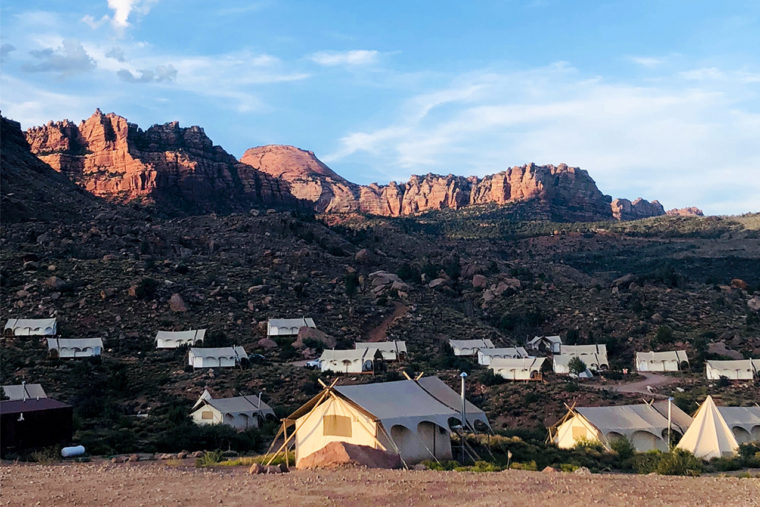
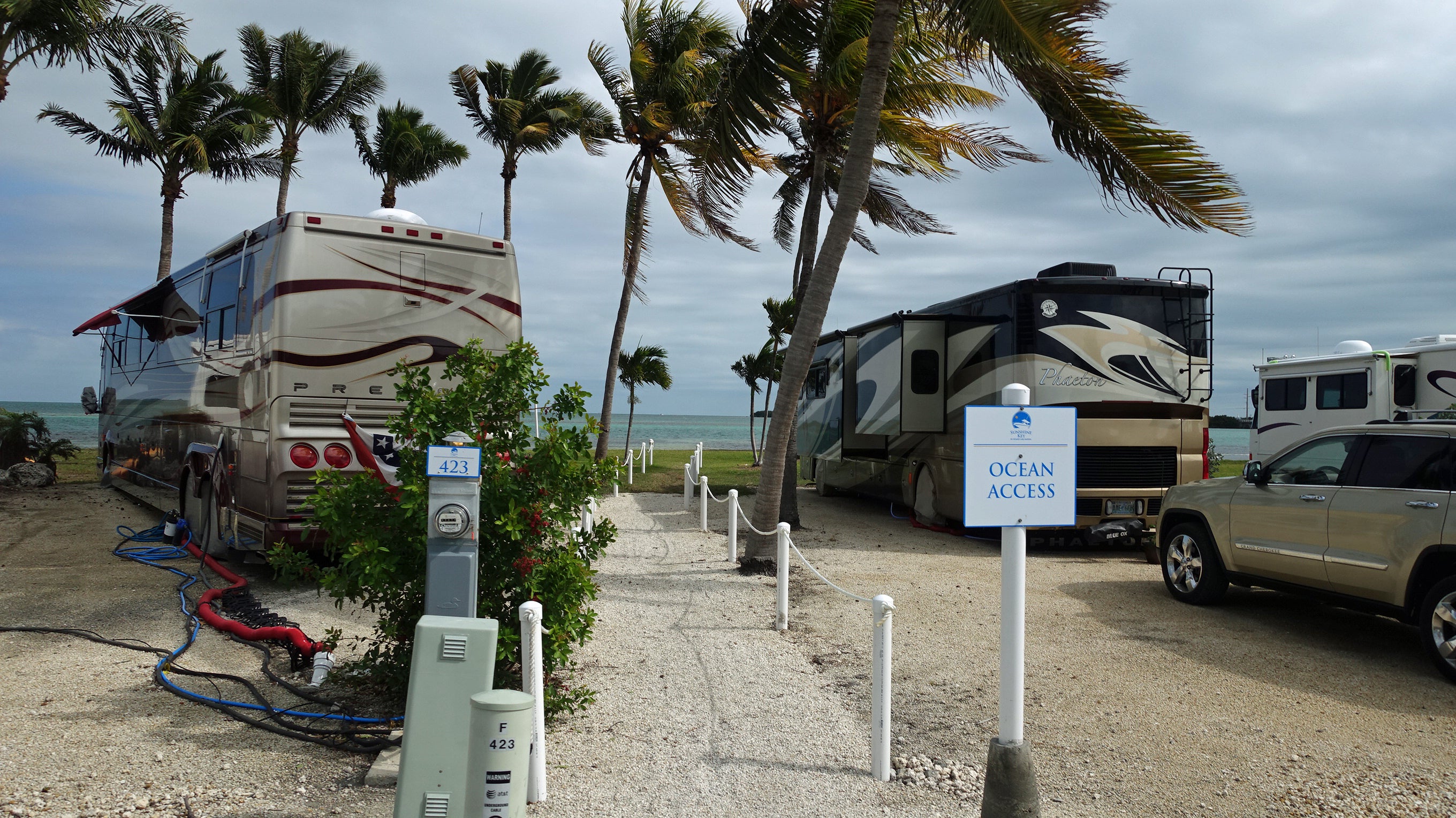
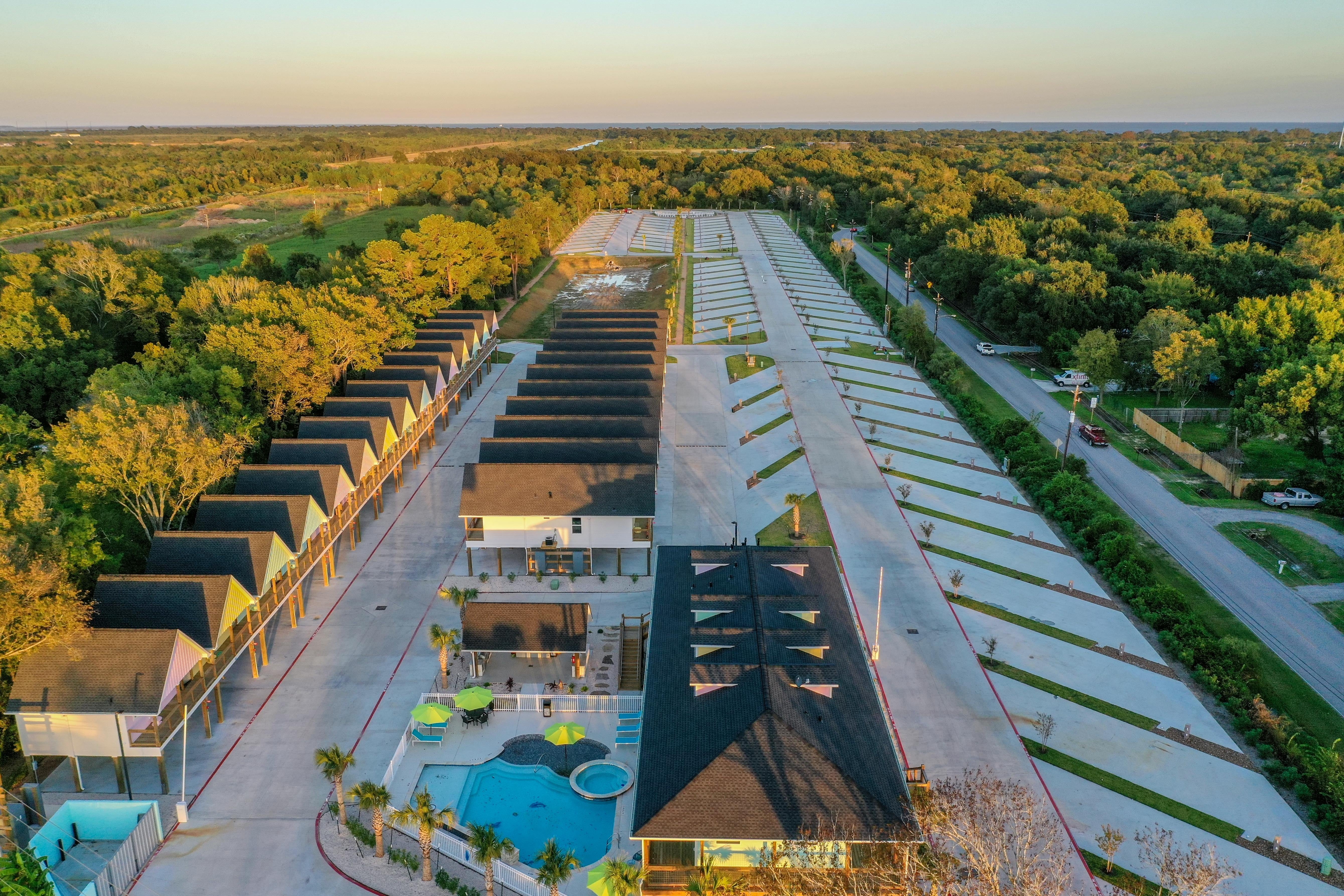
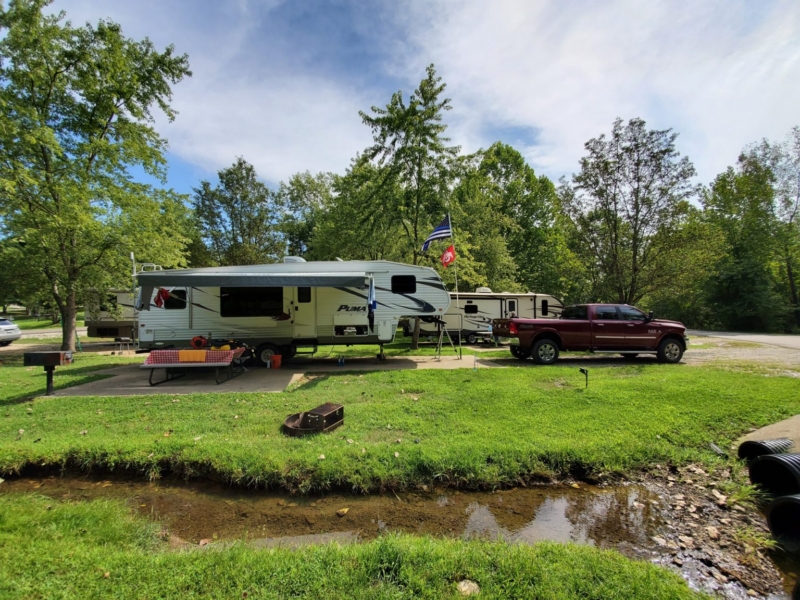
Sun Outdoors owns and operates more than 79 campgrounds, with more added frequently. Resorts, glamping, and seasonal sites are the brand’s focus. Sun Outdoors aims to provide a true vacation experience, like how luxury RV resorts work.
- Monthly and annual costs: No membership is required or offered.
- Who it’s best for: Both families and adults without kids can enjoy a stay at Sun Outdoors. Travelers who want a resort-level vacation experience are the target.
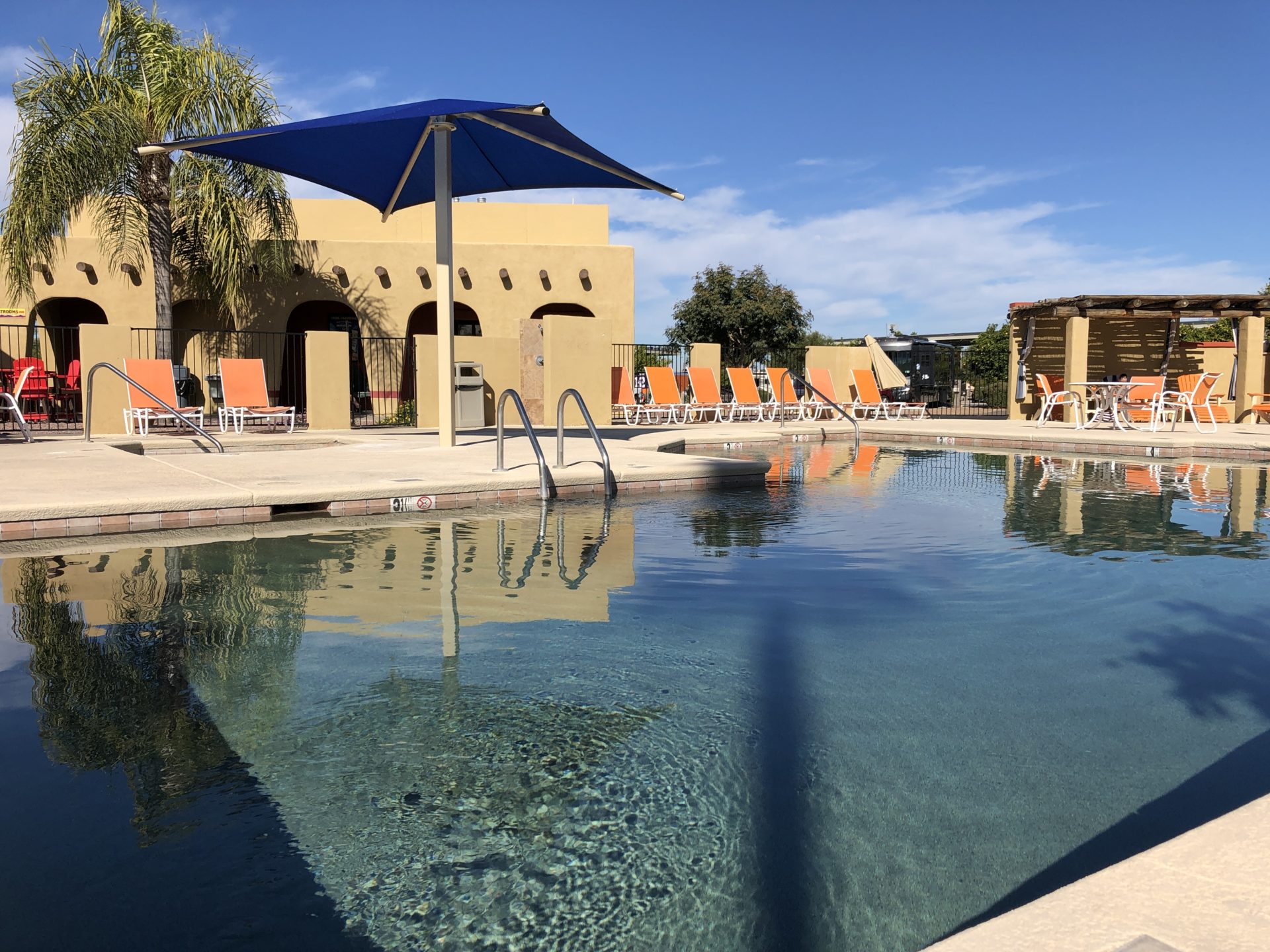
- Featured amenities: Sun Outdoors resorts often offer full hookups and manicured sites. The amenities are usually top tier, including large pools, huge recreation areas, restaurants and bars, and on-site activities, with offerings aimed at both kids and adults.
- Campground vibe: The resort vibe carries through every element. It’s somewhat luxurious, while still being comfortable. You should feel like you are on vacation, not like you’re camping out.
- Cons: Nightly rates are on the higher side, with many locations costing $100 a night or more. However, that price does include campground amenities, without requiring extra fees for anything other than food or rental items (like bikes and paddle boards).
Stand-out campgrounds:
Good Sam
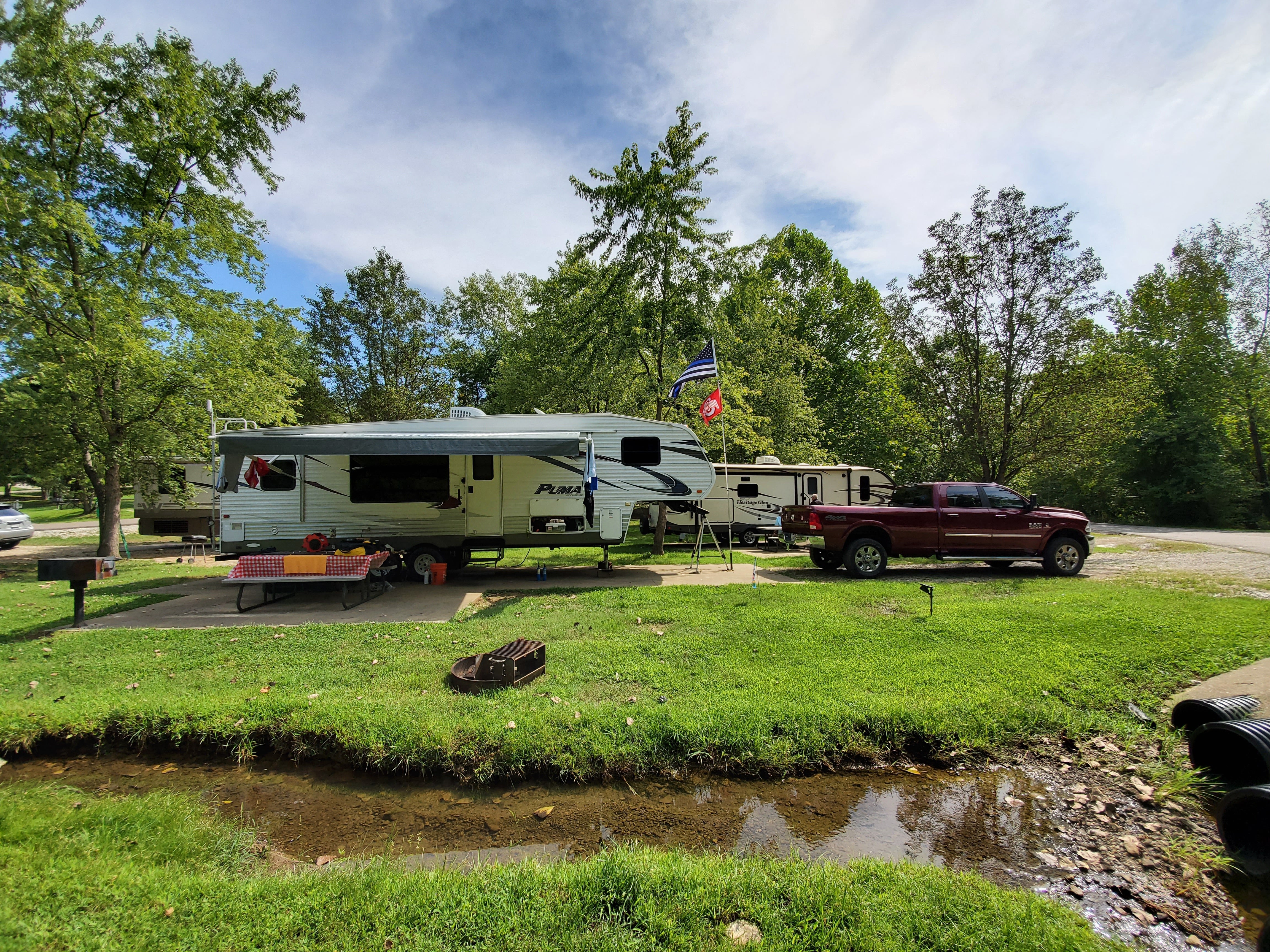
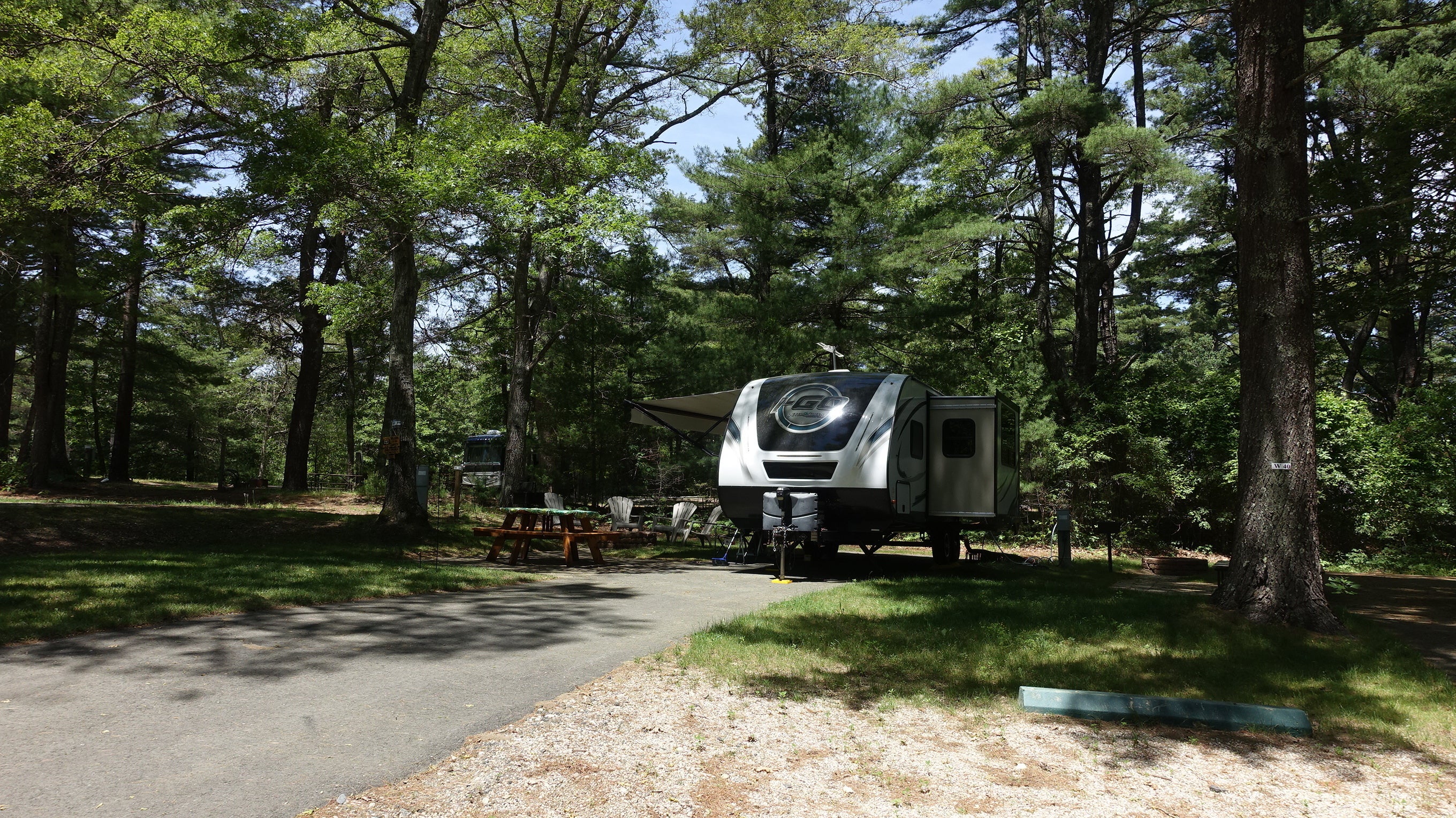
Considered the “nation’s largest RV club,” Good Sam is quite different from the franchises and chains mentioned above. They don’t own or operate the 2,100 Good Sam parks; instead, the campgrounds are affiliates.
They’re rated by Good Sam, and members receive a discounted rate. Since this isn’t a chain or franchise, parks run the gamut from simple roadside stops to over-the-top resorts.
- Monthly and annual costs: Membership is not required to stay at Good Sam parks. Membership starts at $39 annually, which gets you a 10 percent discount on nightly stays, as well as a bevy of other benefits. They’ve also introduced an Elite Membership for $149/year, which includes a concierge service and an RV tech help line.
- Who it’s best for: If you travel frequently and prefer to book private campgrounds, you may save money with a Good Sam membership.
- Featured amenities: Being a Good Sam member gives you access to a portal, which provides trip-planning tools, campground ratings and reviews, and more. Good Sam parks do not have consistent amenities across parks.
- Campground vibe: Since the parks are independently owned and operated, there isn’t a consistent vibe. Highly-rated Good Sam parks are generally good, clean private campgrounds.
- Cons: Some travelers have noted that the rating system isn’t consistent across the parks. It’s good to check reviews on other sites, including Campendium, to learn more before you book.
Stand-out campgrounds:
How to Choose the Right RV Park Chain or Club
The best RV park chain or membership depends on how often you camp, where you travel, and what kind of stay you want.
- For quick road trip stops: KOA is a familiar choice with broad North American coverage and predictable basics.
- For family vacations: Jellystone Park and many Sun Outdoors locations offer activity-heavy stays with pools, events, and kid-friendly amenities.
- For frequent RVers: Thousand Trails may be worth comparing if you’ll use the included parks often enough to offset the membership cost.
- For unique one-night stays: Harvest Hosts is a good fit for self-contained RVers who want something different from a traditional campground.
- For private campground discounts: Good Sam can make sense if you regularly stay at participating parks.
Before joining any paid program, look at where the parks or host locations are, how often you’ll use them, and whether the rules match the way you actually travel.
Frequently Asked Questions
The 3-3-3 rule is a travel guideline that suggests driving no more than 300 miles per day, arriving by 3 p.m., and staying at least 3 nights in one place. It helps RVers avoid long travel days and gives them more time to set up, rest, and enjoy the campground.
The 4-4-4 rule is similar to the 3-3-3 rule, but gives travelers a little more flexibility: drive no more than 400 miles, arrive by 4 p.m., and stay at least 4 nights. It can work well for longer RV trips where you want to cover more distance without rushing every stop.
The 10 year rule is a campground policy that may restrict RVs more than 10 years old from staying at a park. Not every RV park has this rule, and many parks will make exceptions for older RVs that are clean, safe, and well maintained, so it’s best to call ahead if you’re unsure.
The 2-2-2 rule suggests driving no more than 200 miles per day, arriving by 2 p.m., and staying at least 2 nights. It’s a slower travel style that can be helpful for new RVers, families, or anyone who wants more time at each stop.
Some of the most common unwritten rules of RV parks are to respect quiet hours, keep your campsite tidy, avoid walking through other campers’ sites, control pets, and dump tanks only in approved areas. It’s also good campground etiquette to drive slowly, keep lights and noise low at night, and leave your site clean for the next camper.
Find Your Next RV Park with Campendium
Hopefully this guide helps you decide which chains, franchises, networks, and memberships are right for you. If you’re new to RVing, you don’t have to join a paid program right away. Travel for a while, try different types of campgrounds, and see what fits your style.
You can also use Campendium to search RV parks, read recent camper reviews, compare amenities, and save places you may want to visit later. Creating a free Campendium account can make it easier to keep track of campgrounds as you plan future trips.