Choosing a Yosemite campground usually starts with one simple question: how do you want to spend your time in the park? For a first visit, Upper Pines is the strongest all-around choice because it puts Yosemite Valley close at hand. But river access, RV fit, quieter surroundings, high-country hiking, or a later reservation window may point you somewhere else.
Those details can change from season to season. This guide uses current official information alongside camper insights to help you compare the tradeoffs before you reserve.
TL;DR
- Best overall / first Yosemite trip: Upper Pines for Valley access and convenience.
- Best for scenery or a quieter experience: Lower/North Pines for river access; high-country options for more separation from Valley crowds.
- Best for RV travelers: Choose by rig length rather than campground name alone, because Yosemite has no hookups and site dimensions vary considerably.
Best Yosemite Campgrounds at a Glance
The best fit depends on where you want to spend your time, how you camp, and when you can book. The reservation timing below reflects Yosemite’s current 2026 information, but opening dates and booking schedules can change.
| Campground | Best for | Area | Tent/RV | Hookups |
|---|---|---|---|---|
| Upper Pines | First-time visits and Valley access | Yosemite Valley | Tent and RV | None |
| Lower Pines | River access and Valley scenery | Yosemite Valley | Tent and RV | None |
| North Pines | Riverfront camping and shade | Yosemite Valley | Tent and RV | None |
| Camp 4 | Climbers and budget tent camping | Yosemite Valley | Tent only | None |
| Wawona | Quieter camping near Mariposa Grove | South Yosemite | Tent and RV | None |
| Crane Flat | Splitting time between the Valley and high country | North of Yosemite Valley | Tent and RV | None |
| Tuolumne Meadows | High-country hiking | Tioga Road high country | Tent and RV | None |
| Yosemite Creek | Rustic camping and more separation from Valley crowds | Tioga Road area | Tent; RVs and trailers not recommended | None |
Yosemite has no electric, water, or sewer hookups at its campsites. RV size also needs a closer look than the table can show: site limits vary by campground, and trailer limits may differ from motorhome limits because of parking-pad size and turning room. Current NPS data also lists Yosemite Creek as unsuitable for most RVs and gives Tuolumne Meadows a mix of two-month and 14-day reservation releases.
Compare Yosemite campgrounds on Campendium to check recent reviews, photos, RV details, amenities, and locations on the map before you choose a site.
Best Campgrounds in Yosemite by Trip Type
Yosemite’s campgrounds solve different trip-planning problems. Some keep you close to the Valley, while others trade convenience for more space, higher-elevation hiking, or a different reservation window. The campground details below reflect current 2026 NPS and Recreation.gov information.
Best overall for first-time visitors: Upper Pines
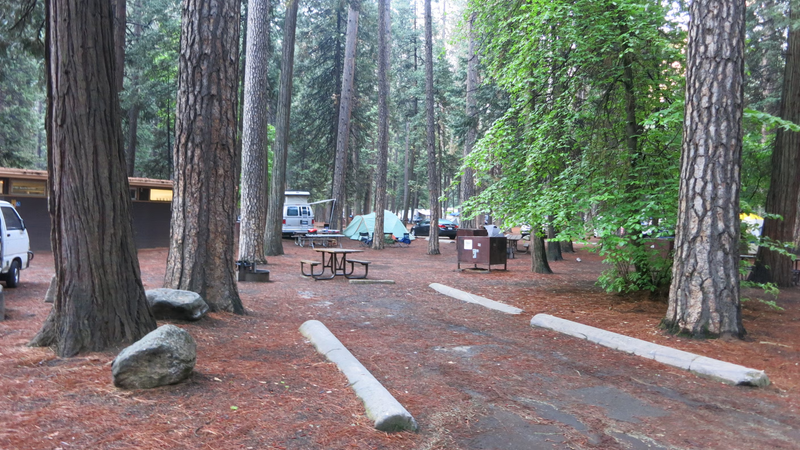
Upper Pines is the strongest all-around choice for a first Yosemite trip because it puts you in the heart of Yosemite Valley. The free Valley shuttle stops at the campground entrance, and trails to places such as Mirror Lake begin nearby, so you can spend less of the day driving and looking for parking.
It is open year-round and accommodates both tents and RVs, with sites for RVs up to 35 feet and trailers up to 24 feet. Upper Pines also has Yosemite Valley’s year-round dump station and potable water. The tradeoff is demand: reservations are highly competitive, the campground is large and busy, and none of the sites have electric, water, or sewer hookups.
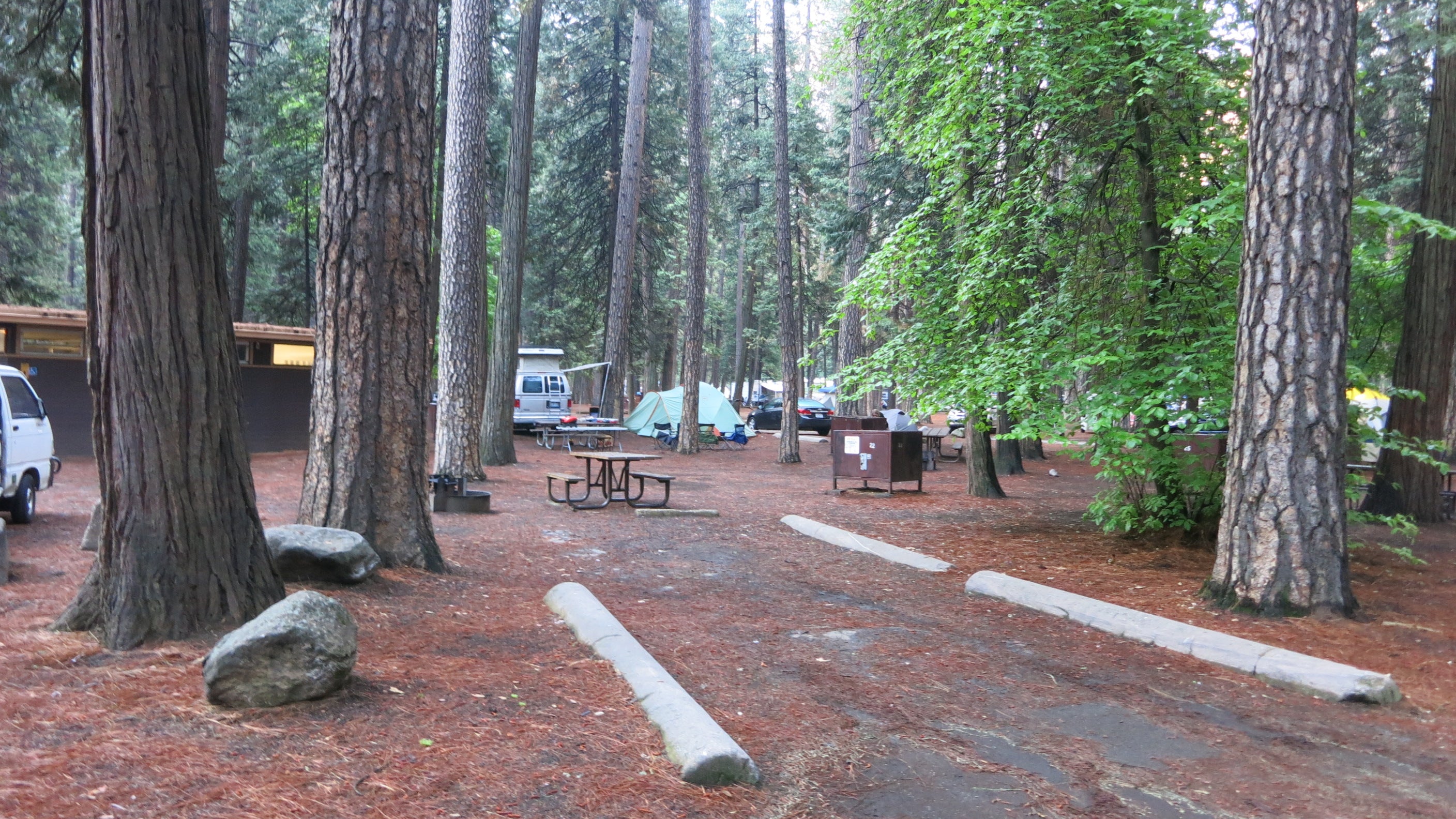
Best for river access and valley scenery: Lower Pines
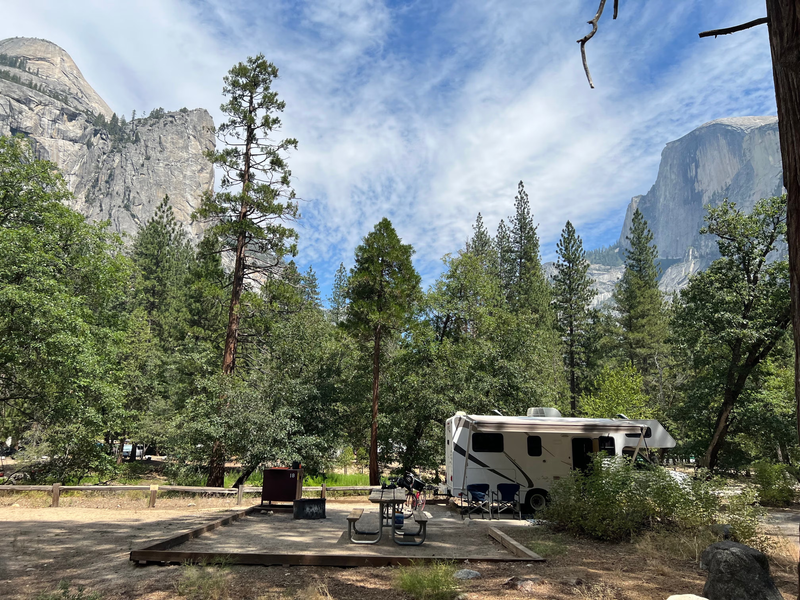
Lower Pines works well for campers who want the same Valley convenience with a smaller campground setting. The Merced River runs nearby, Curry Village is within walking distance, and some campsites have views toward Half Dome. The free Yosemite Valley shuttle also stops at the campground entrance.
It is also one of the better Valley options for larger RVs. Six of Yosemite Valley’s eight sites that can accommodate a 40-foot RV or 35-foot trailer are in Lower Pines. The campground is seasonal, however, and its 74 sites face heavy competition when reservations open five months ahead.
Best for riverfront camping and shade: North Pines
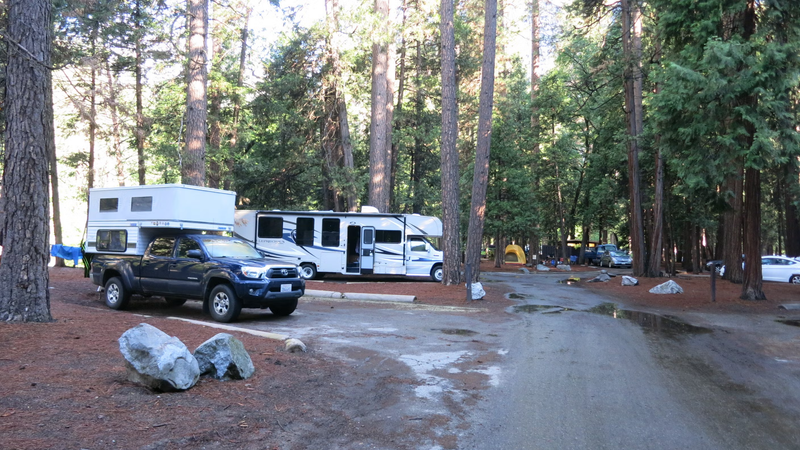
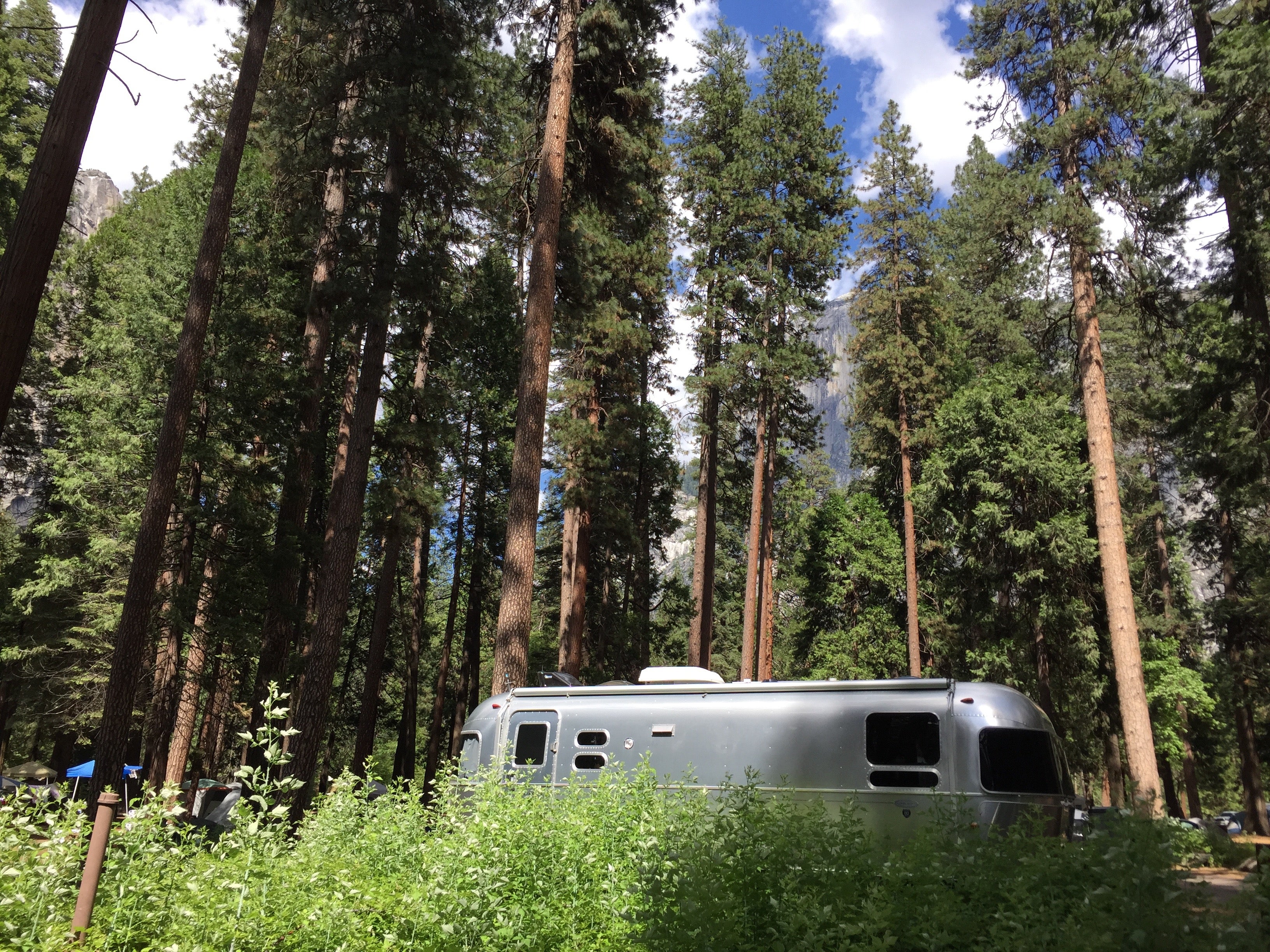
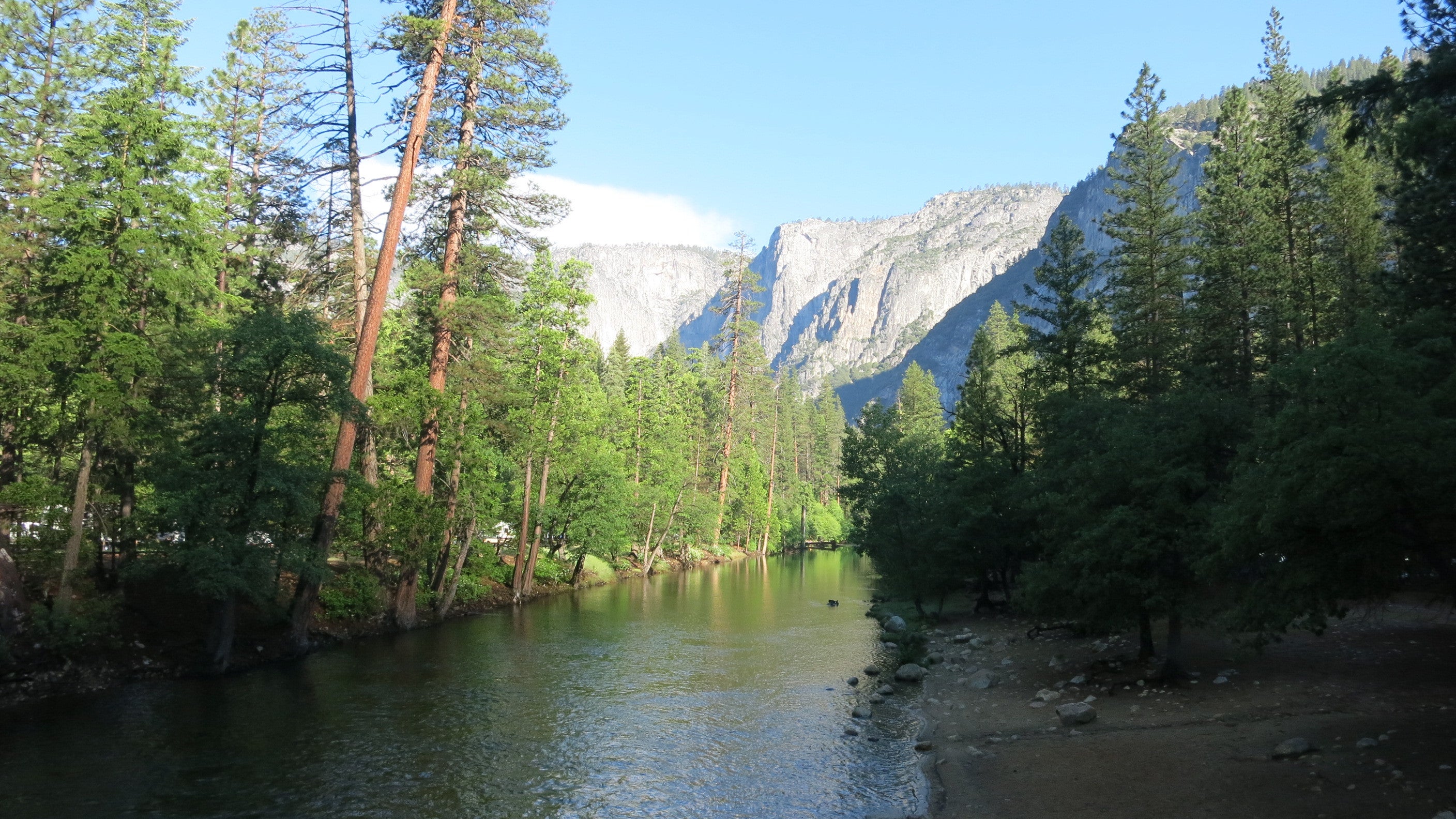
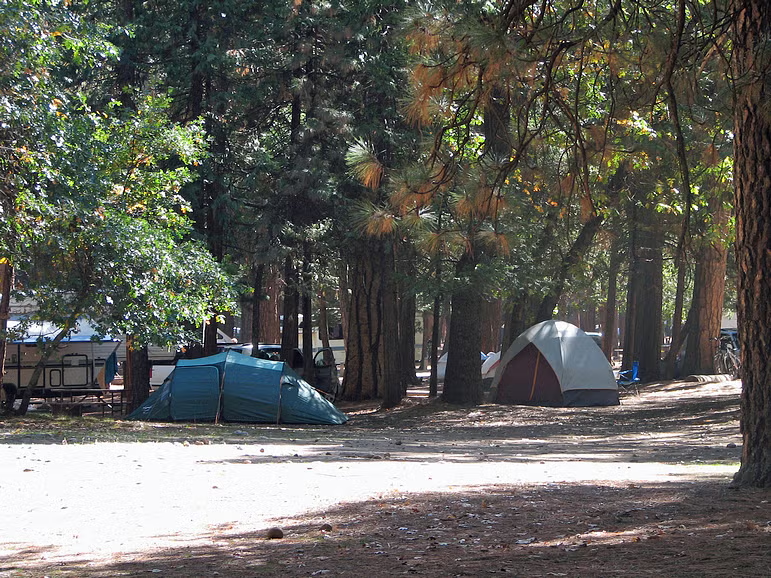
North Pines is a good fit when river access and shade matter more than campground size. The campground sits near the Merced River among a mix of pines and oaks, and several individual sites are listed as shaded and riverfront. Like the other Pines campgrounds, it also gives you easy access to the Valley shuttle and nearby trailheads.
Booking works differently here. For 2026, North Pines used an Early Access Lottery, with any remaining campsites released on the regular reservation schedule. If North Pines is your first choice, check the current lottery and release rules before planning around it.
Best for climbers and budget tent camping: Camp 4
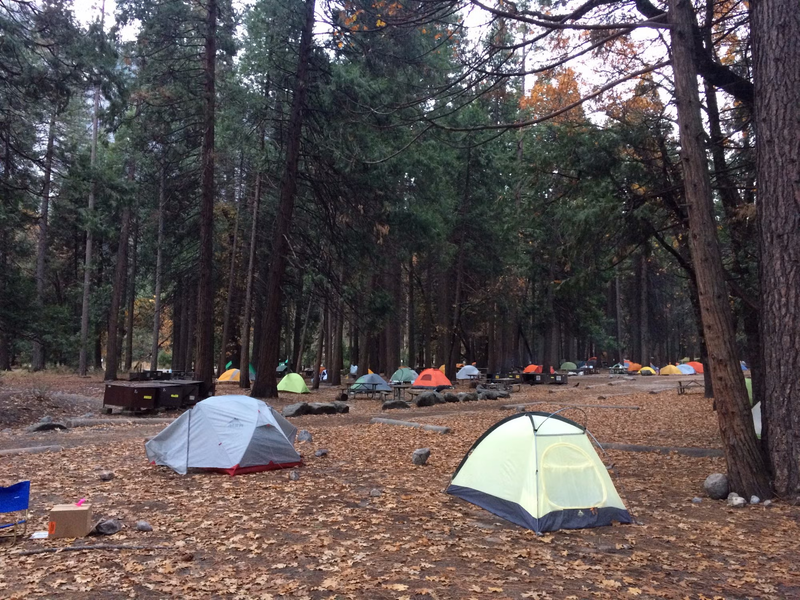
Camp 4 is Yosemite Valley’s tent-only choice for campers who value climbing history, a social campground atmosphere, and a lower nightly cost. The campground is listed on the National Register of Historic Places for its role in the development of modern rock climbing, and the 2026 fee is $10 per person per night. RVs and trailers are not allowed.
The experience is different from the Pines. Camp 4 uses walk-in tent sites and shared camping space, so expect more interaction with other campers and less separation between groups. Recent camper discussions describe everything from quiet stays to active evenings and road noise, which makes it a weaker fit for anyone looking for a private campsite or traveling in an RV.
Best for a quieter stay near mariposa grove: Wawona
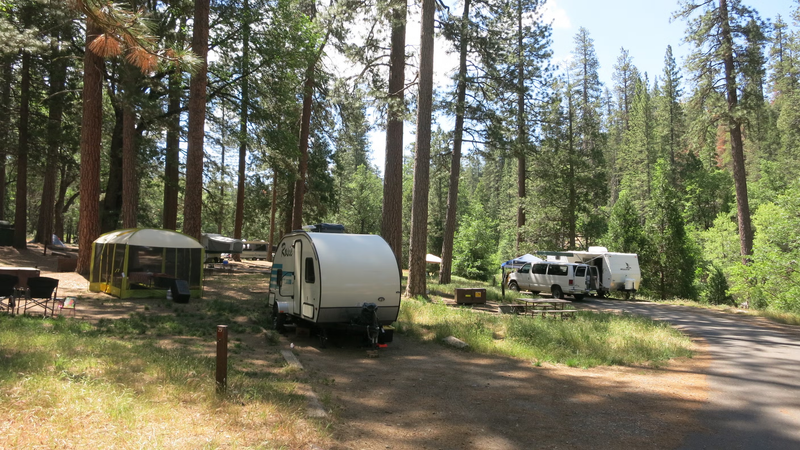
Wawona makes more sense when your itinerary centers on southern Yosemite rather than spending every day in the Valley. It sits near the South Entrance, about four miles from Mariposa Grove, with the South Fork of the Merced River running alongside the campground. It also accommodates tents and RVs, with current NPS limits reaching 35 feet for both RVs and trailers.
The location can mean a calmer base away from the main Valley campgrounds, but distance is the tradeoff. Wawona is about 27 miles, or roughly 45 minutes by car, from Yosemite Valley. If most of your sightseeing starts there, that drive can add up over several days.
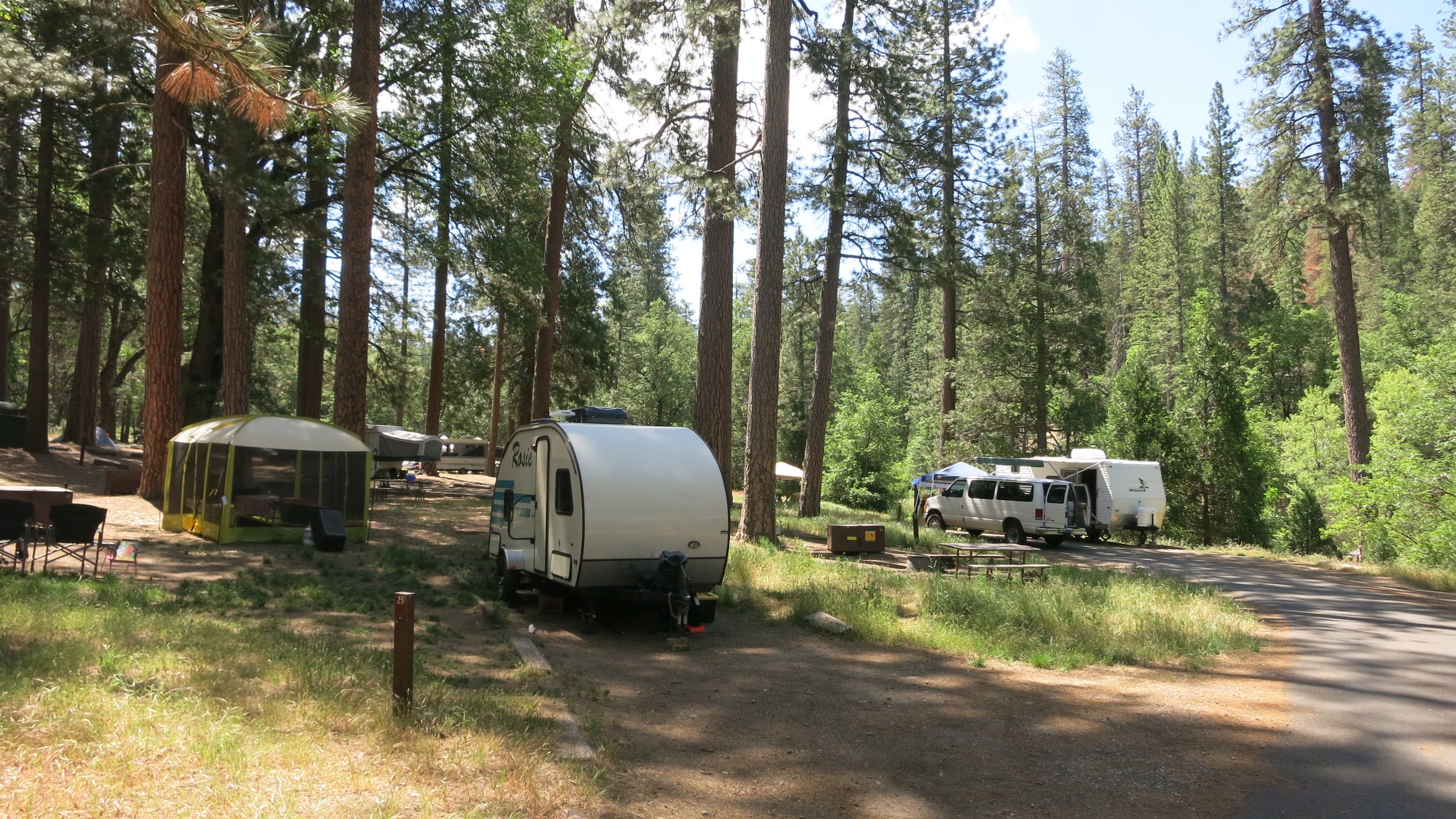
Best compromise between valley and high country: Crane Flat
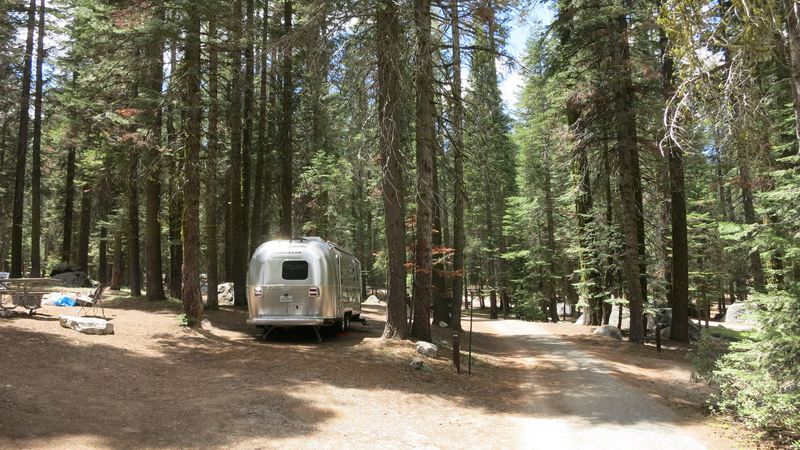
Crane Flat is useful for travelers who want to split their time between Yosemite Valley and the Tioga Road corridor. The campground sits about 17 miles from the Valley, so you are farther from the busiest Valley campgrounds without committing to the much longer drive from the high country.
It also gives late planners another reservation strategy. Current reservations are released two weeks ahead rather than five months ahead. Crane Flat has drinking water, flush toilets, paved parking spurs, and sites for tents and RVs. For travelers who missed a Pines reservation, that shorter booking window makes it worth checking.
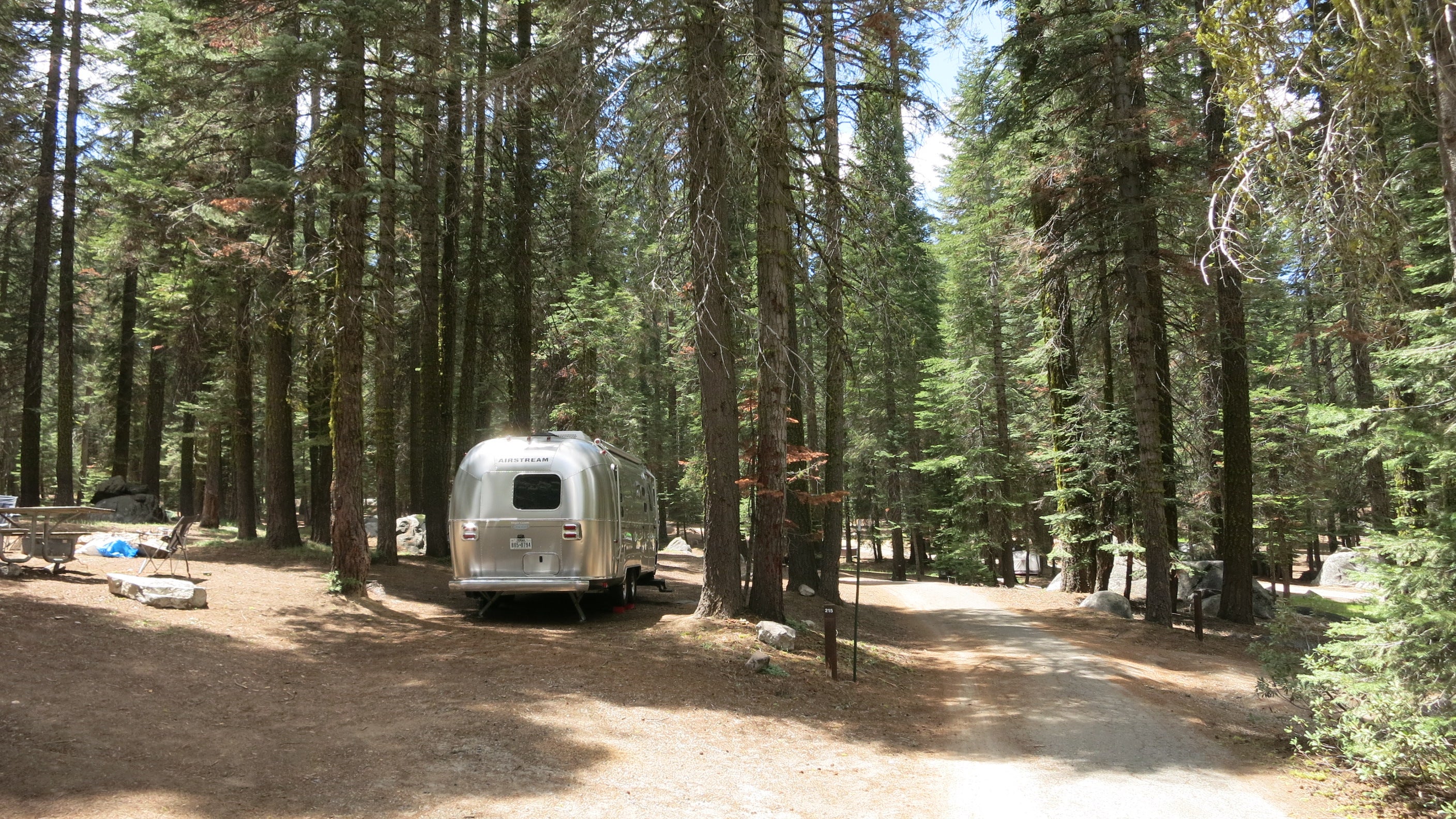
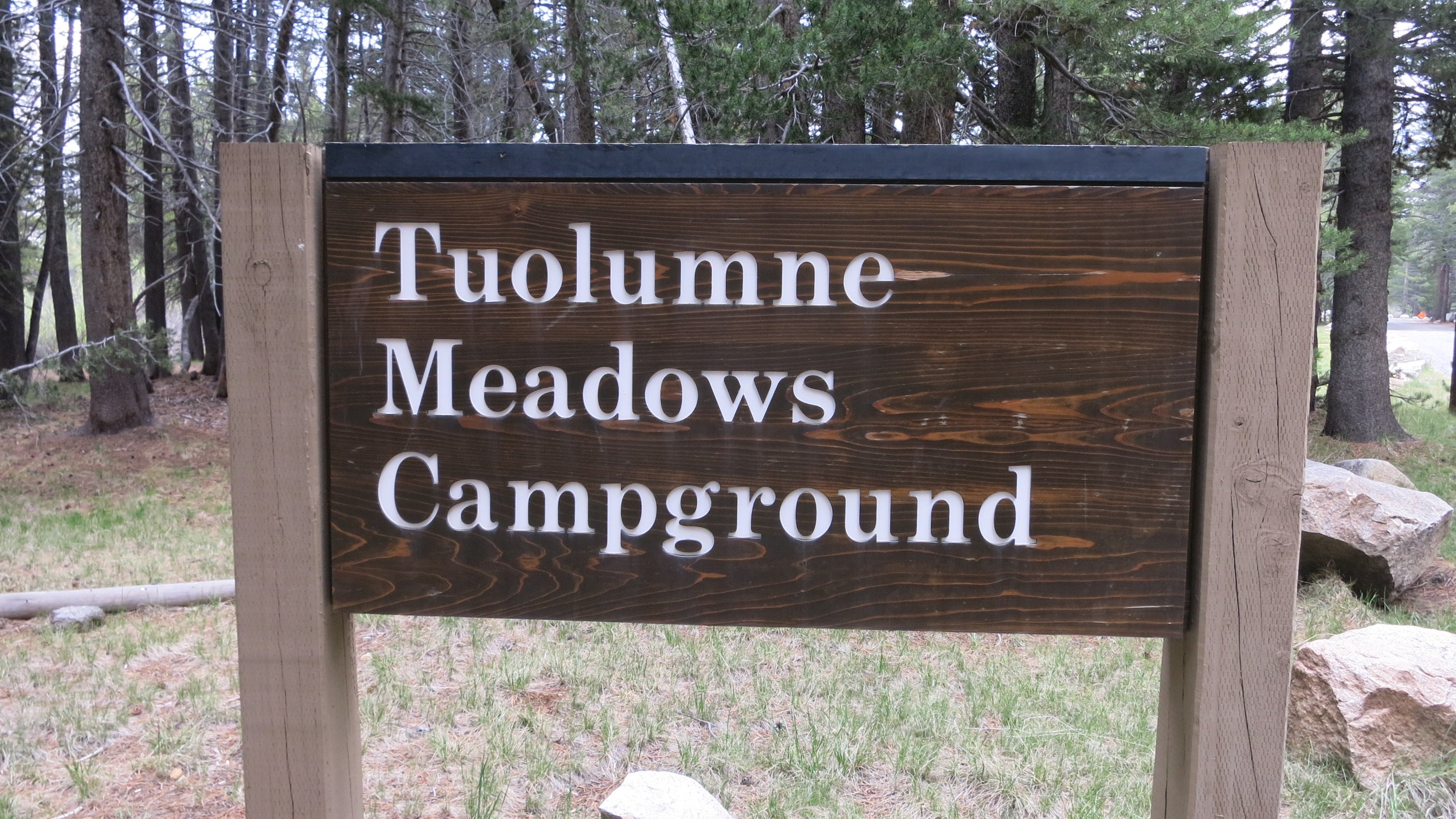
Best for high-country hiking: Tuolumne Meadows
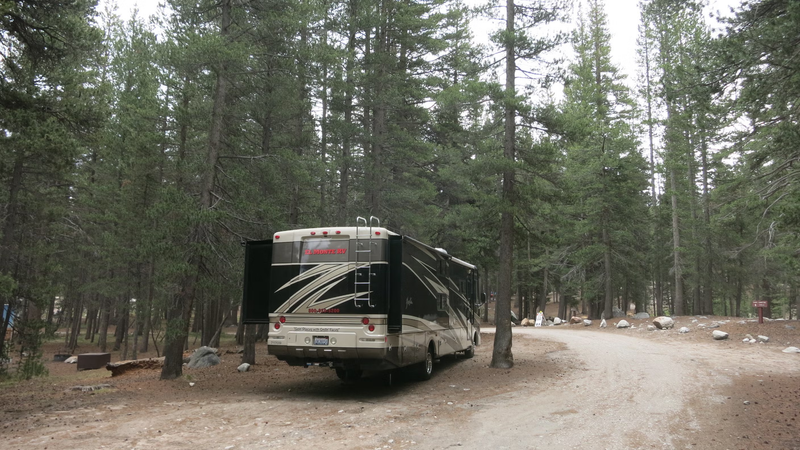
Tuolumne Meadows is the better base when hiking Yosemite’s high country is the main reason for your trip. At about 8,600 feet, the campground sits along Tioga Road near trail access for Cathedral Lakes, Lyell Canyon, Glen Aulin, Lembert Dome, and other high-country routes.
Older Yosemite guides may still describe Tuolumne Meadows Campground as closed, but it is operating in 2026 following campground rehabilitation. It is seasonal and currently accommodates RVs up to 35 feet and trailers up to 24 feet. Choose it over a Valley campground when trail access and the high country matter more than quick access to Yosemite Valley, which is roughly 1.5 hours away.
Best for rustic solitude: Yosemite Creek or Porcupine Flat
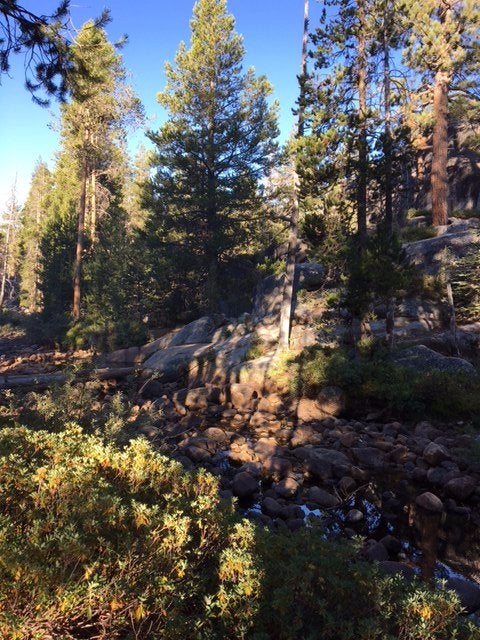
Yosemite Creek and Porcupine Flat suit campers who are comfortable giving up some developed-campground conveniences for a more primitive setting. Both use vault toilets and creek water rather than treated drinking water, so campers should bring water and treat any creek water they use. They also sit well away from Yosemite Valley.
Access is the bigger consideration. Yosemite Creek is reached by a narrow, rutted dirt road, and Recreation.gov currently does not allow motorhomes or trailers there. Porcupine Flat is easier to reach from Tioga Road, but RV access is still limited, with only a few sites listed for RVs up to 24 feet. These are stronger choices for tent campers and smaller setups that value a quieter high-country stay over Valley convenience.
Which Part of Yosemite Should You Camp In?
Where you camp changes how much time you spend driving, which trails and sights are easiest to reach, and how competitive reservations may be. Start with the part of Yosemite that best matches your itinerary.
- Yosemite Valley: Best for first-time visits, Yosemite’s best-known sights, and minimal driving. The tradeoff is crowds and extremely high reservation demand. Choose the Valley if Yosemite Falls, Half Dome, and nearby Valley trails make up most of your trip.
- Wawona / South Yosemite: Best for quieter camping, Mariposa Grove, and trips entering through the South Entrance. The tradeoff is the longer drive to Yosemite Valley, so it works best when southern Yosemite is already part of your itinerary.
- Tioga Road / High Country: Best for hiking, cooler temperatures, and more separation from Valley crowds. The tradeoff is seasonal access and generally more basic campground facilities.
- Crane Flat / North-Western Yosemite: Best for flexibility and splitting time between Yosemite Valley and the high country. You give up the convenience of staying directly in the Valley, but the location can work well when the Pines campgrounds are unavailable.
What If the Best Yosemite Campgrounds Are Full?
A full Pines campground does not have to end the trip. The next move depends on whether staying in Yosemite Valley, elsewhere inside the park, or just outside an entrance matters most.
Want Yosemite Valley access?
Check repeatedly for cancellations at Upper Pines, Lower Pines, and North Pines. Camp 4 can also work for tent campers. From spring through fall, Yosemite does not offer first-come, first-served campground space, so do not plan on arriving without a confirmed campsite.
CAMPalerts can help by notifying you when campsite availability changes, which is useful if your preferred Yosemite campground is already booked.
Want to stay inside Yosemite?
Expand the search to Crane Flat, Wawona, Hodgdon Meadow, and whichever Tioga Road campgrounds are operating for your dates. Crane Flat can work well for trips split between the Valley and high country, while Wawona fits South Entrance itineraries. Hodgdon Meadow is open year-round and accommodates RVs up to 35 feet and trailers up to 30 feet. Seasonal openings change, so check current NPS conditions before booking.
Okay staying outside Yosemite?
Choose a campground near the entrance that matches your route rather than simply picking the closest available pin on the map. A few Campendium-listed options include Indian Flat RV Park in El Portal for Highway 140 access, Yosemite Lakes Thousand Trails near the Big Oak Flat entrance, Dimond O Campground near Big Oak Flat and Hetch Hetchy, and Outdoorsy Yosemite at Bass Lake for travelers approaching the South Entrance.
Outside-the-park campgrounds can add substantial driving depending on the entrance and where you plan to spend the day. Check the map, recent camper reviews, RV fit, and road notes before reserving. For more inside- and outside-the-park choices, see our Yosemite campground guide.
Frequently Asked Questions
Upper Pines is the strongest overall choice for most first-time visitors because it puts you in Yosemite Valley near major sights, trails, and shuttle stops. Lower Pines is a better fit for river access and Valley scenery, while Wawona works well for a quieter stay near Mariposa Grove. Tuolumne Meadows is a stronger choice for high-country hiking.
Upper Pines is usually the best starting point for a first Yosemite trip. Its Yosemite Valley location reduces driving and keeps you close to many of the park’s best-known sights. Lower Pines and North Pines offer similar Valley access if Upper Pines is unavailable.
The best Yosemite campground for an RV depends on your rig dimensions and where you want to spend your time. Lower Pines and North Pines have a small number of sites for larger RVs, while Upper Pines, Wawona, Crane Flat, and Tuolumne Meadows accommodate smaller rigs. Yosemite campsites do not have electric, water, or sewer hookups, so check both campground and individual-site limits before booking.
There is no single best campground outside Yosemite because the right choice depends on which entrance you plan to use. Look near El Portal for Highway 140 access, the Big Oak Flat area for Highway 120, or the Oakhurst and Bass Lake area for the South Entrance. Use Campendium to compare campground locations, recent reviews, RV fit, photos, and road-access notes before booking.
Camping inside Yosemite is usually better when reducing daily driving and staying close to the park’s major sights matter most. Camping outside the park can give you more campground choices, different amenities, and another option when in-park sites are full. The better choice depends on your itinerary, rig, reservation availability, and preferred park entrance.
Compare Yosemite Campgrounds with Campendium
The best Yosemite campground depends on your route, rig size, reservation timing, and how close you want to stay to Yosemite Valley. Compare Yosemite campgrounds on Campendium to check recent camper reviews, photos, RV amenities, access notes, and nearby options on the map before you reserve.